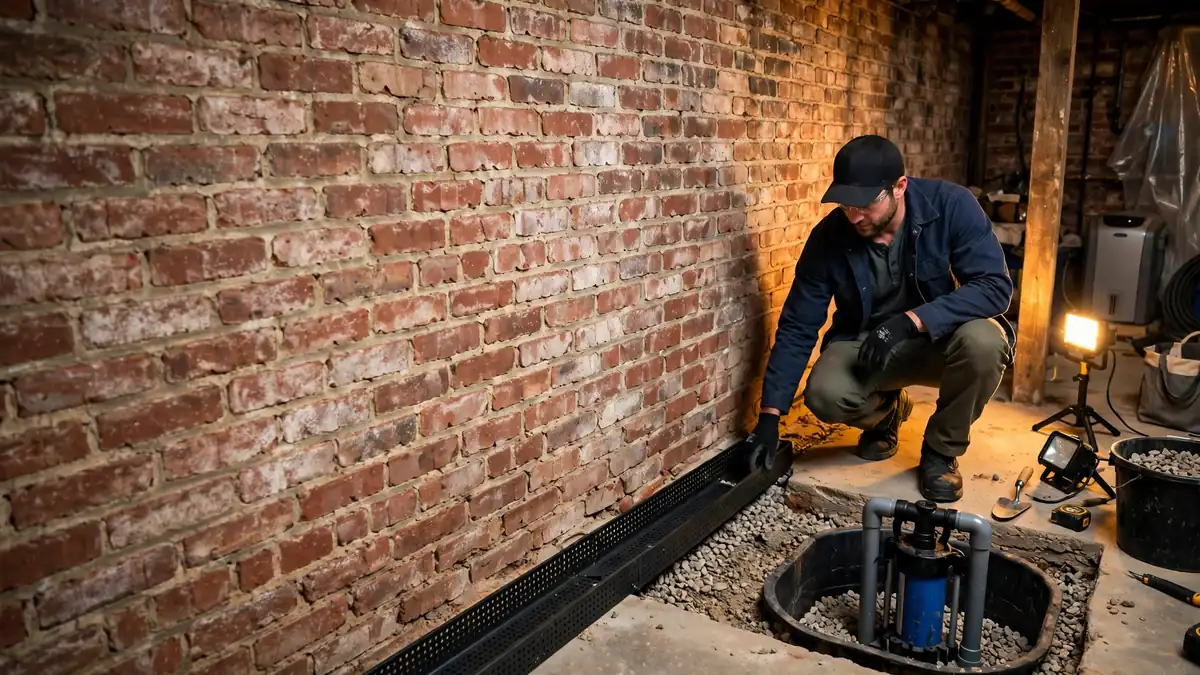
Basement Waterproofing in Youngstown, OH
Wet basement? Water at the wall-floor joint, a musty smell, or a sump pump that cannot keep up — Youngstown homes in the Mahoning Valley take on water every spring. We connect you with local waterproofing professionals who find where the water enters and fix that path.
Talk to a local waterproofing professional
Describe what is happening in your basement and a local professional will assess the water path and the right fix.
Hours: Mon–Fri 7:00 AM–10:00 PM ET · Sat 8:00 AM–10:00 PM ET · Sun 7:00 AM–9:00 PM ET
Why Youngstown basements get wet
Youngstown sits in the Mahoning River valley, with a high water table, clay-heavy soil that holds water against the foundation, and a housing stock built mostly before 1980. The city averages roughly 39 to 41 inches of precipitation a year, with about 40 to 45 inches of snow, and the spring thaw sends it all at foundations while the ground is still frozen.
Most valley basements leak at the same place: the cove joint where the wall meets the floor. An interior drain system collects that water and a sump pump sends it outside. That is the core of what we do.
- Interior drain systems at the wall-floor joint
- Sump pumps with battery backup for power cuts
- Foundation sealing, inside and out
- Crawl space encapsulation and moisture control
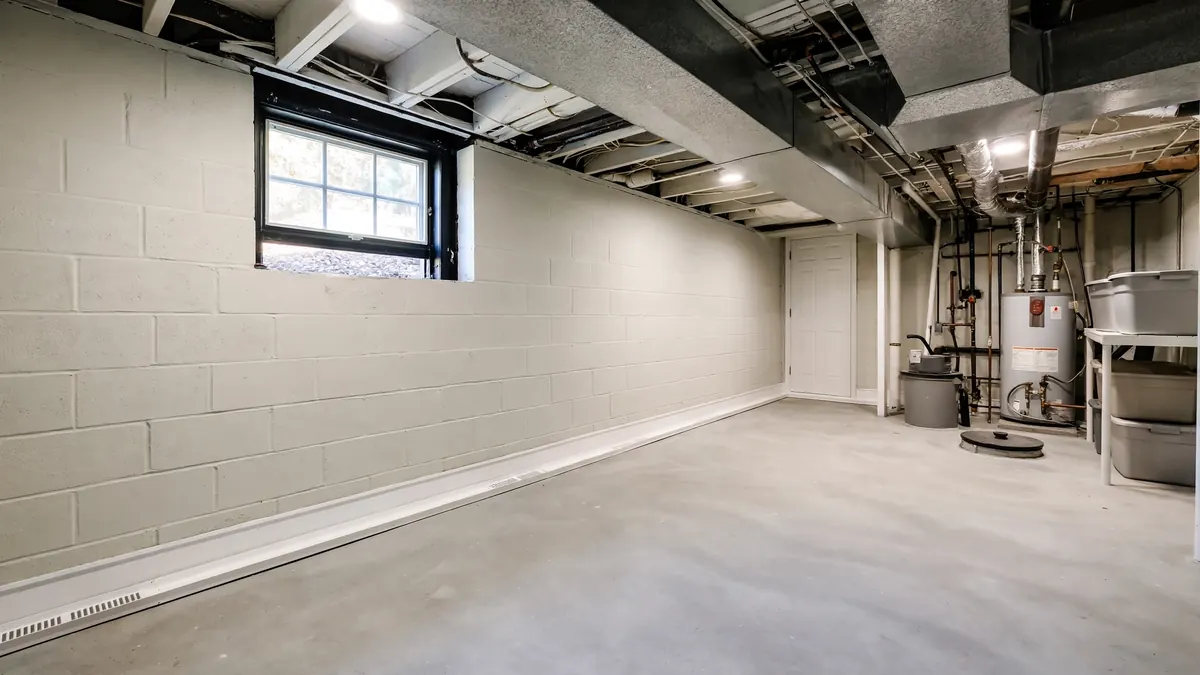
Waterproofing services in Youngstown
Basement WaterproofingBasement waterproofing in Youngstown, OH for wet basements, wall leaks and seepage. Interior drains, sump pumps and foun
Learn more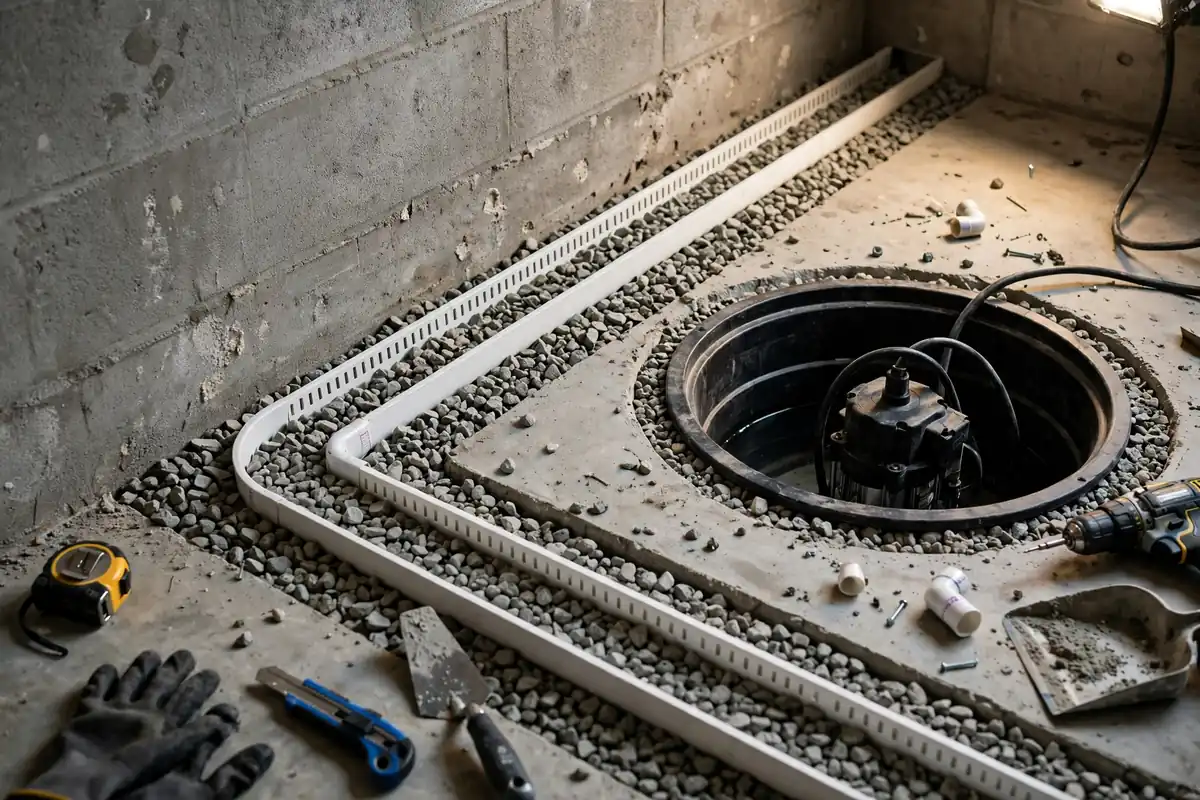 Interior Drain System
Interior drain systems in Youngstown, OH collect water at the wall-floor joint and send it to a sump pump. A proven fix
Learn more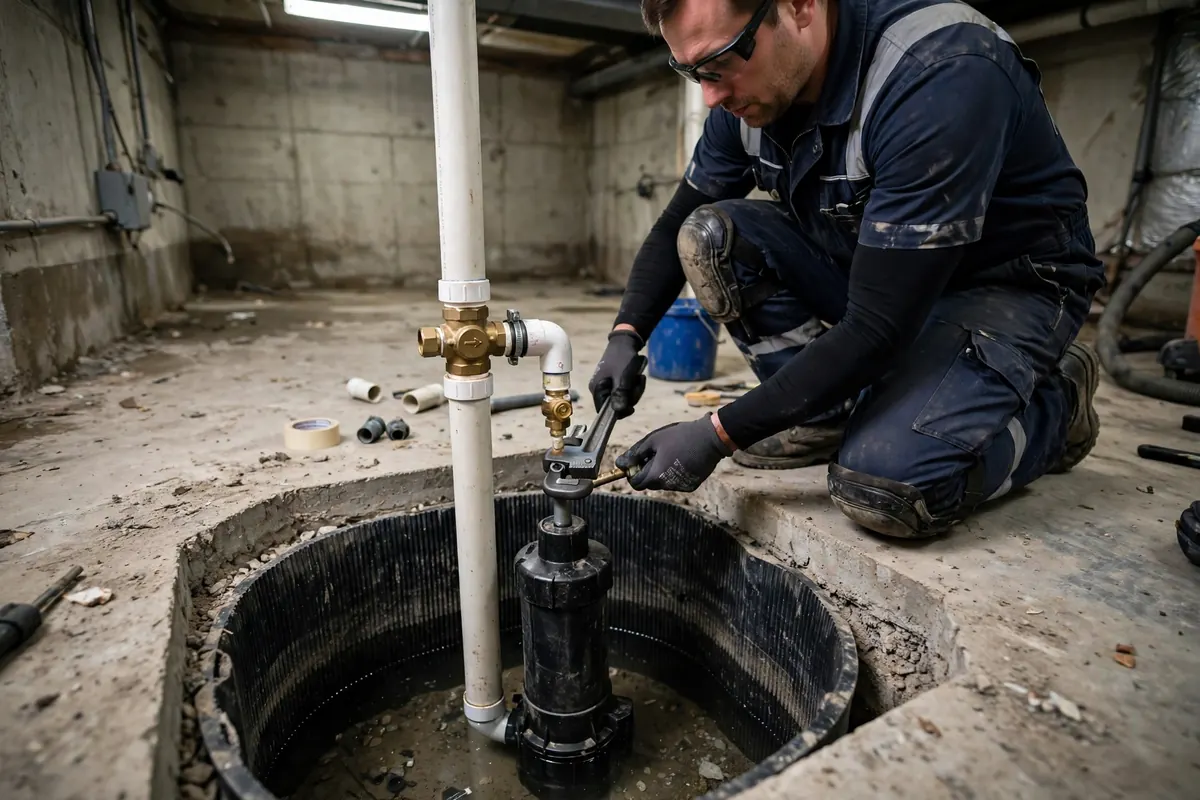 Sump Pump Installation
Sump pump installation in Youngstown, OH for basements that take on water. Submersible pumps, battery backup systems and
Learn more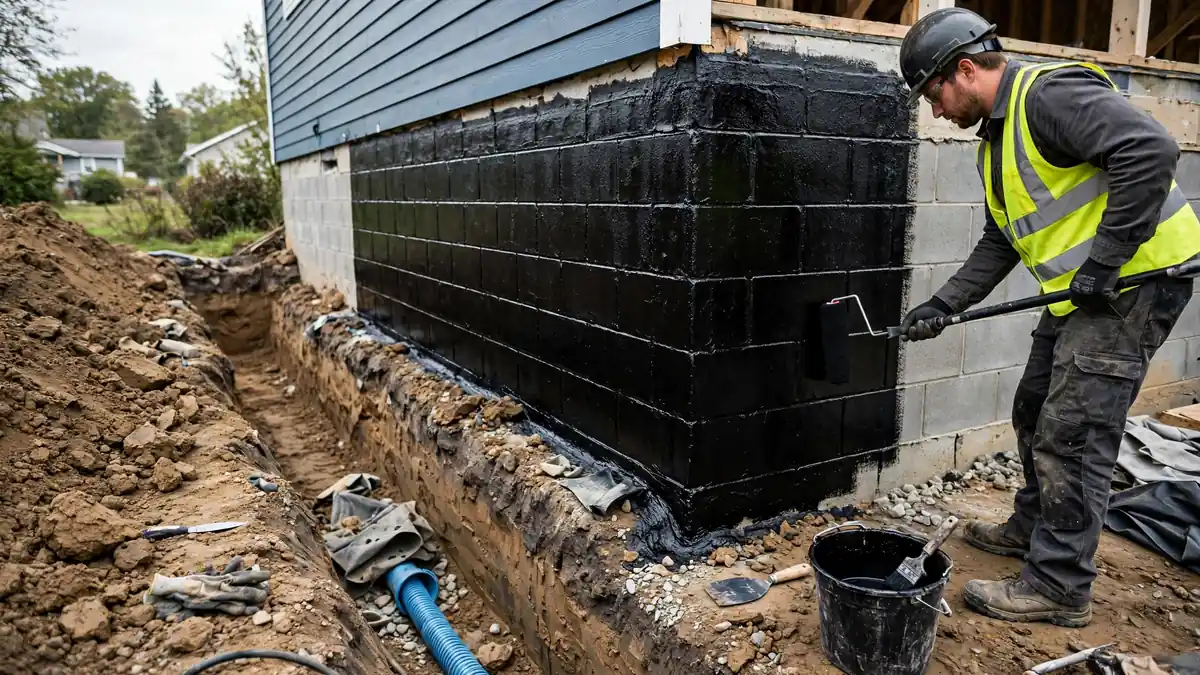 Foundation Waterproofing
Foundation waterproofing in Youngstown, OH: exterior membranes, drainage board and interior systems for block and poured
Learn more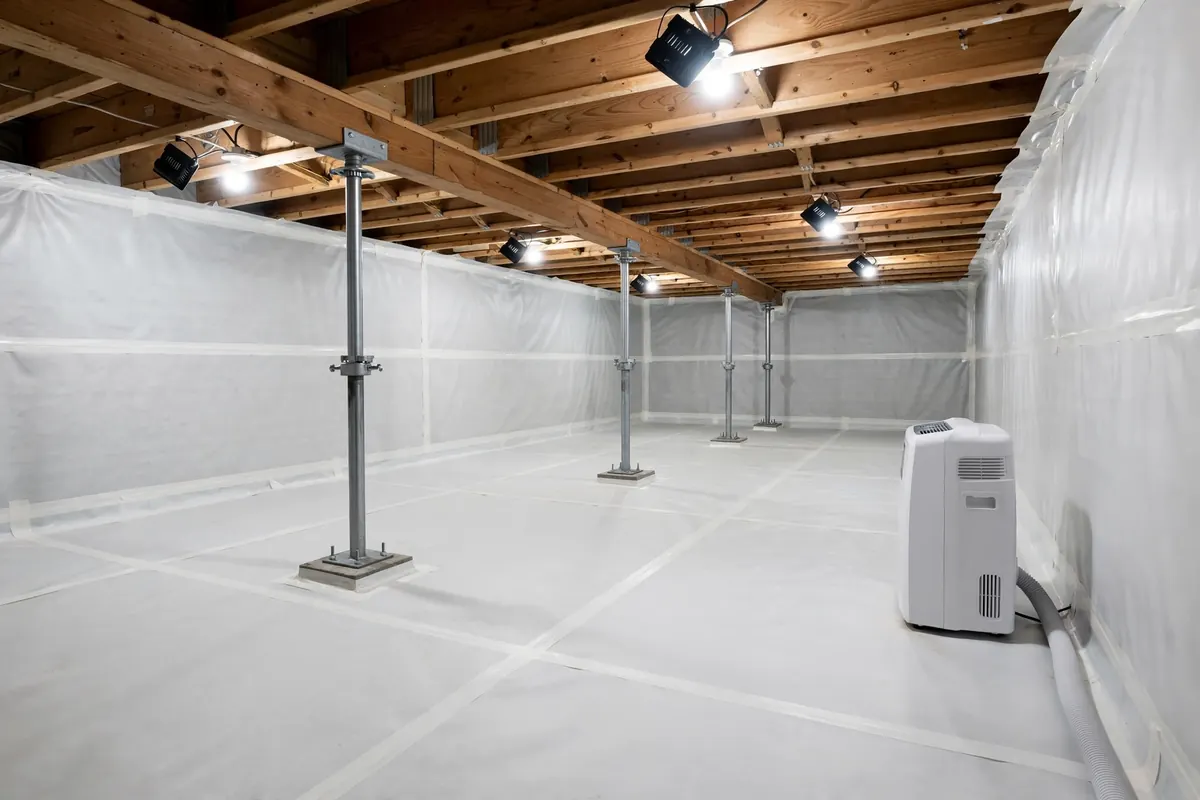 Crawl Space Waterproofing
Crawl space waterproofing in Youngstown, OH: encapsulation, vapor barriers, drainage and dehumidification for damp crawl
Learn more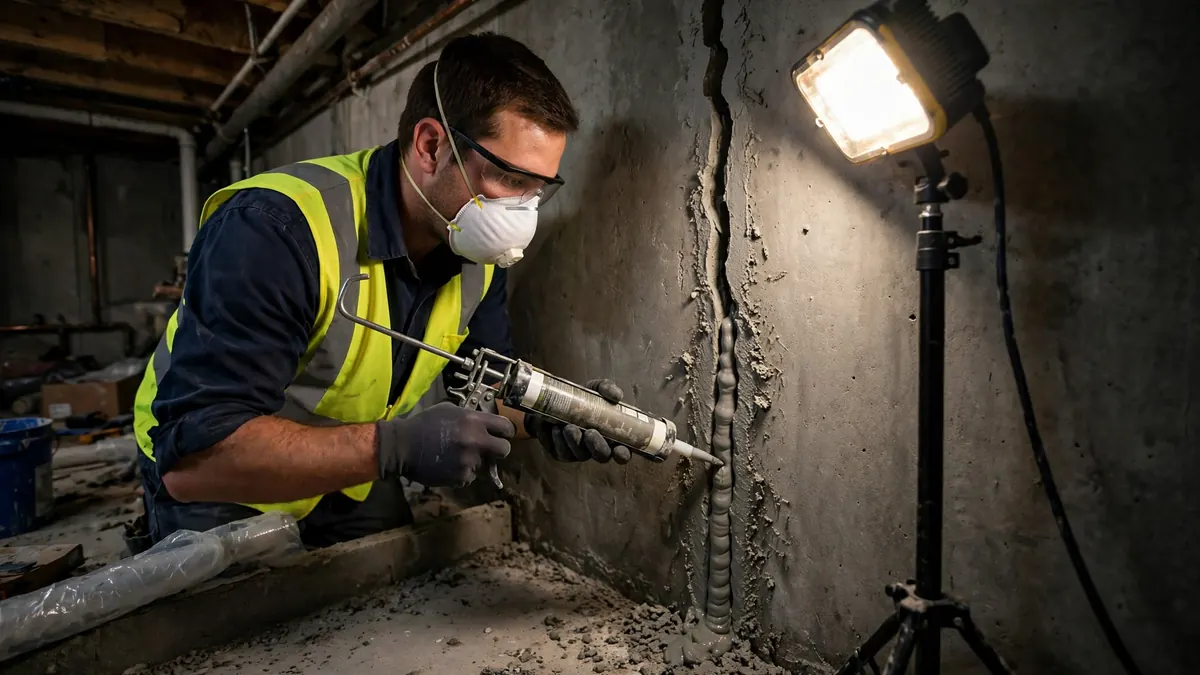 Basement Leak Repair
Basement leak repair in Youngstown, OH: find where the water enters and fix that path. Crack injection, joint sealing an
Learn more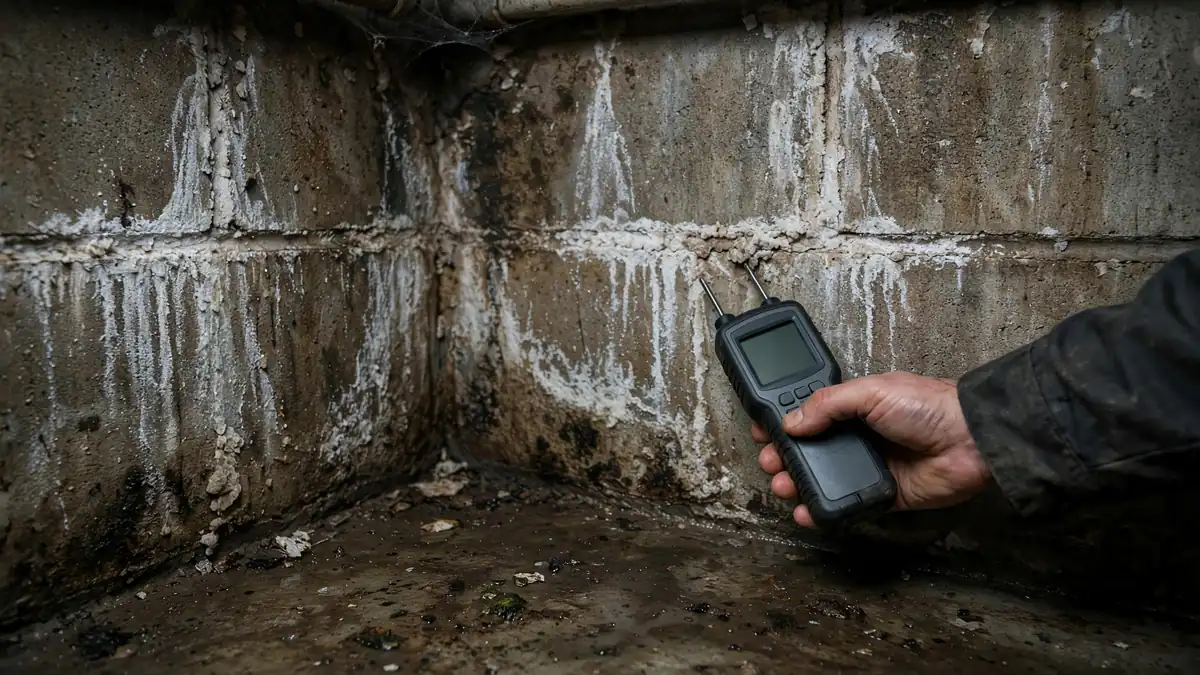 Wet Basement Repair
Wet basement repair in Youngstown, OH for damp floors, seeping walls and musty basements. Find the water path and fix it
Learn more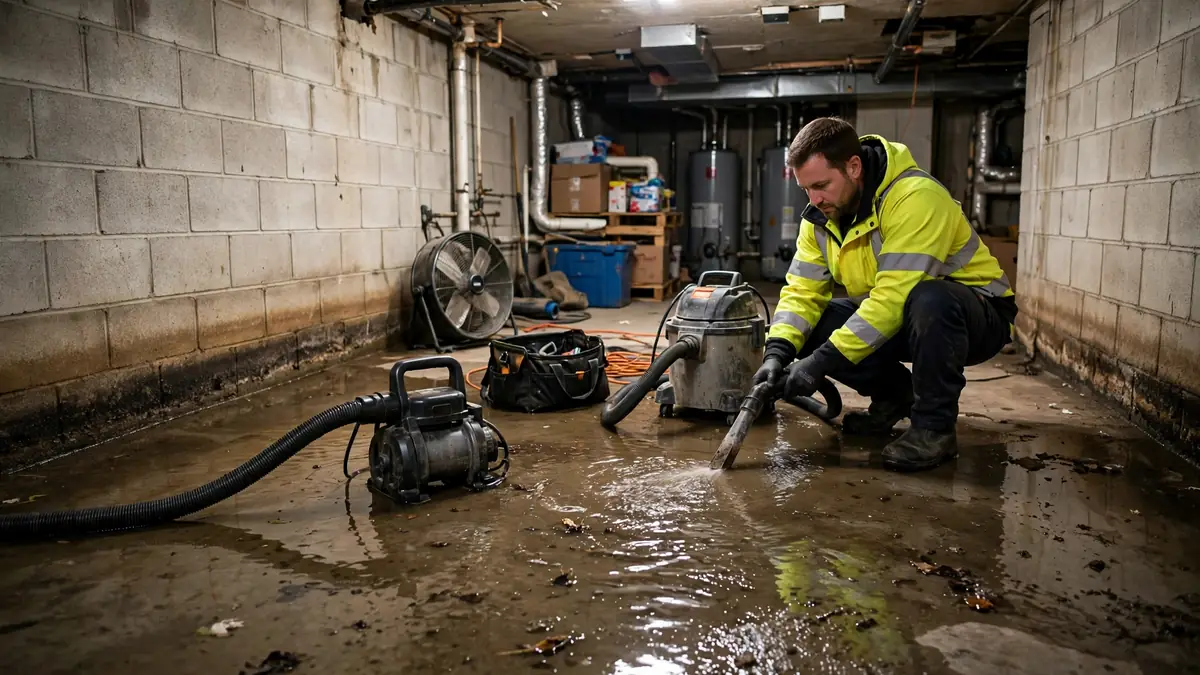 Emergency Basement Flooding
Emergency basement flooding help in Youngstown, OH: what to do when water is coming in, how to stay safe, and how to sto
Learn more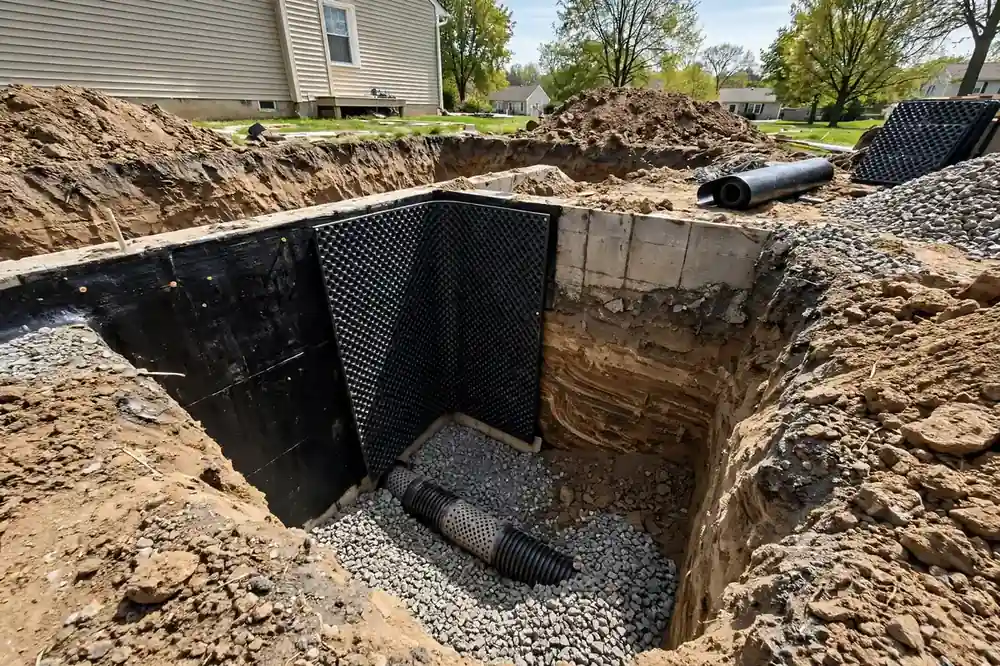 Exterior Waterproofing
Exterior waterproofing in Youngstown, OH: excavate, seal and drain the foundation from the outside. The strongest fix fo
Learn more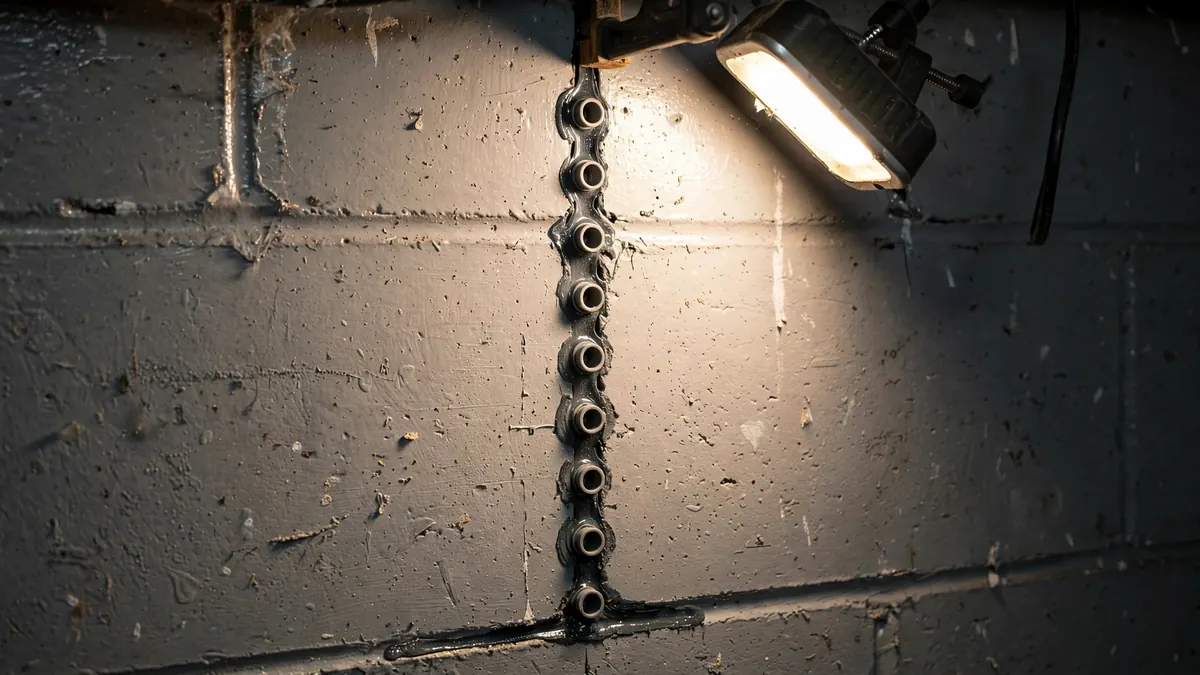 Basement Wall Crack Repair
Basement wall crack repair in Youngstown, OH: injection for poured walls, mortar and block crack repair, and knowing whe
Learn more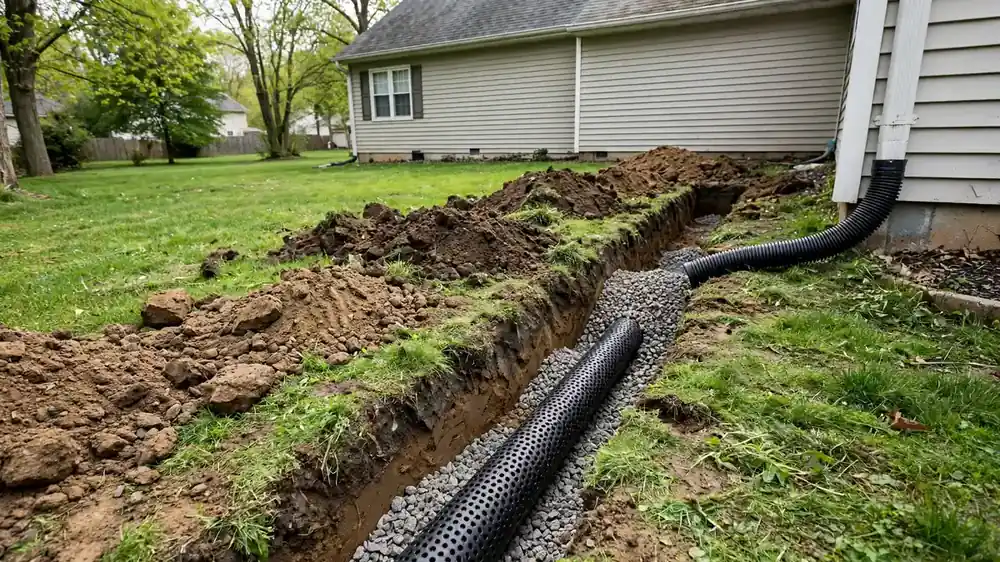 French Drain Installation
French drain installation in Youngstown, OH for yards that hold water and basements that seep. Exterior and interior Fre
Learn more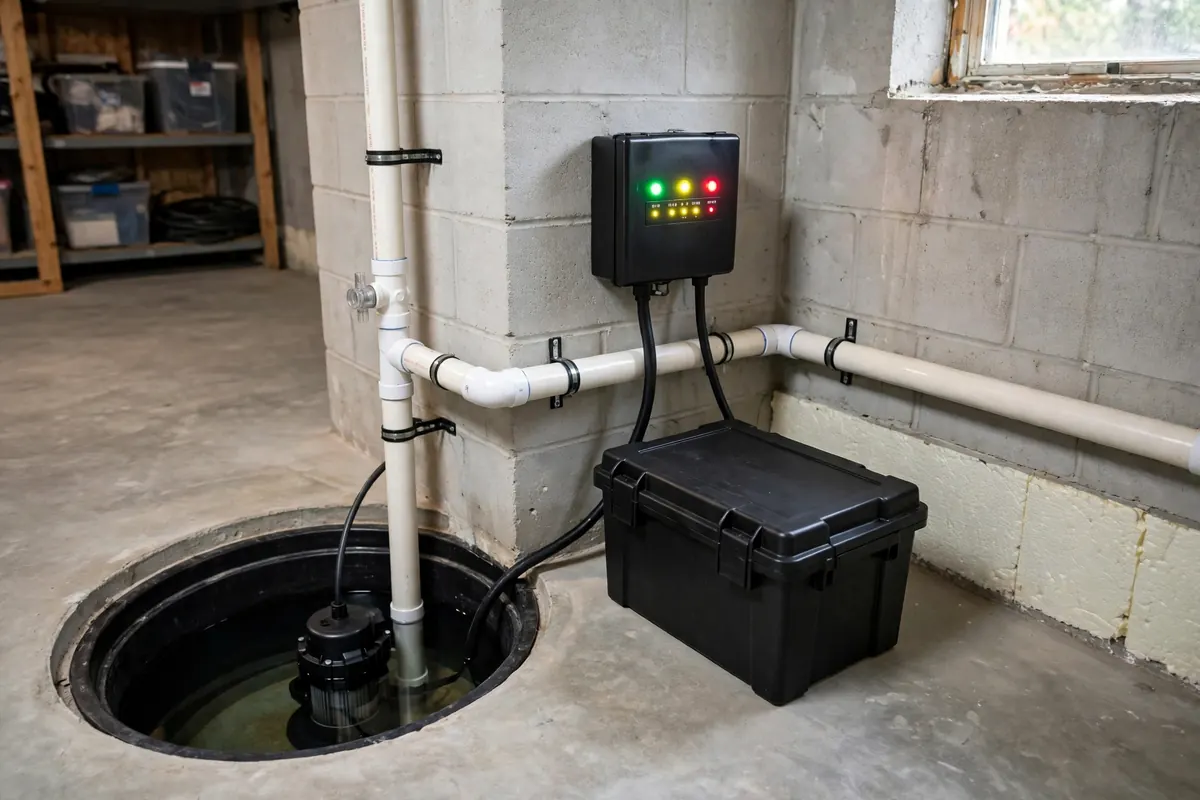 Battery Backup Sump Pump
Battery backup sump pumps in Youngstown, OH: keep your basement dry when the power goes out during a storm. Backup pumps
Learn more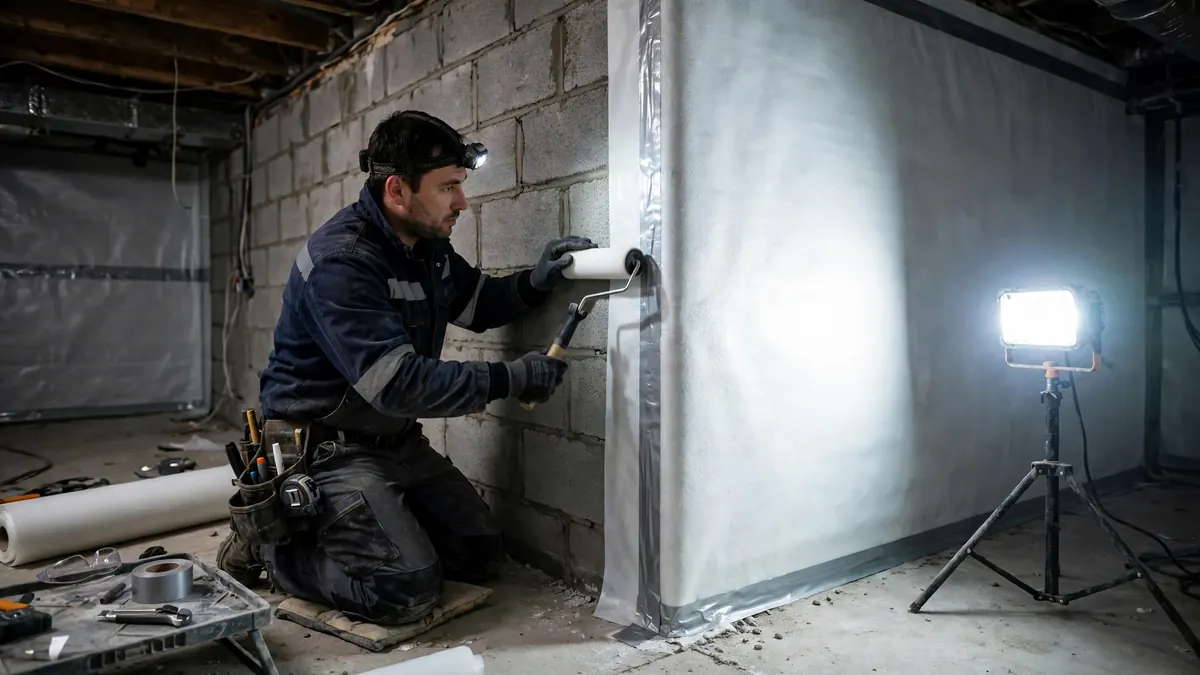 Vapor Barrier Installation
Vapor barrier installation in Youngstown, OH for basements and crawl spaces: heavy reinforced liners, sealed seams and m
Learn more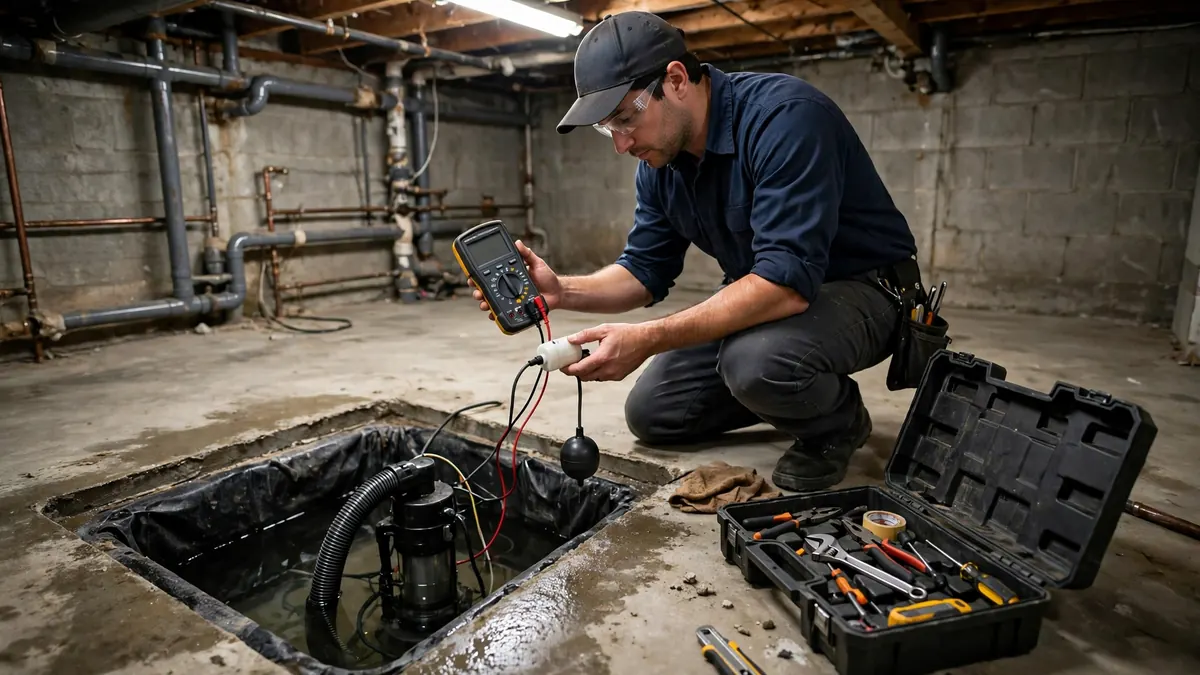 Sump Pump Repair
Sump pump repair in Youngstown, OH: pumps that won't run, short cycling, stuck floats and failed check valves. Fast diag
Learn moreWhat a proper job looks like
Water path found first
The inspection traces the water to its entry point, so the fix matches the cause.
Pressure relieved, not fought
A drain channel gives water a better path than your floor. Paint and sealant fight pressure and lose.
Pump sized to the house
The pump is sized to the water volume and the lift, with a battery backup for power cuts.
Tested before handover
Water is run into the channel, the pump cycles, and the discharge is checked outside.
From inspection to a dry basement
Inspection
Walk the basement and the outside of the house to find where the water enters, what the wall is made of, and where the water table sits.
Plan
Match the system to the house: drain channel, wall membrane, sump pump, discharge, and battery backup where power cuts are a concern.
Install
Cut the trench, lay the channel and gravel, fit the membrane and the pump, and run the discharge away from the house.
Restore
Re-pour the concrete flush with the floor, clean the work area, and leave the basement usable again.
Test
Run water into the channel, watch the pump cycle, and confirm the discharge flows away from the property.
What brings Youngstown homeowners to us
Water at the wall-floor joint
The cove joint is the most common leak in the valley. An interior drain collects it at the point of entry.
Seeping block walls
Water moving through mortar joints and block cores, showing up as damp patches and efflorescence.
Basement flooding
A failed pump, a blocked discharge, or a storm that overwhelms the system. Get the water out, then fix the cause.
Musty smell
Moisture feeding mould behind stored boxes or a finished wall. Close the water path and the smell fades.
Wall cracks
Vertical shrinkage cracks, stair-step cracks in block, and horizontal cracks that need a structural look first.
Damp crawl spaces
Ground moisture rising into the house. Encapsulation, drainage and dehumidification fix it.
Serving Youngstown and the Mahoning Valley
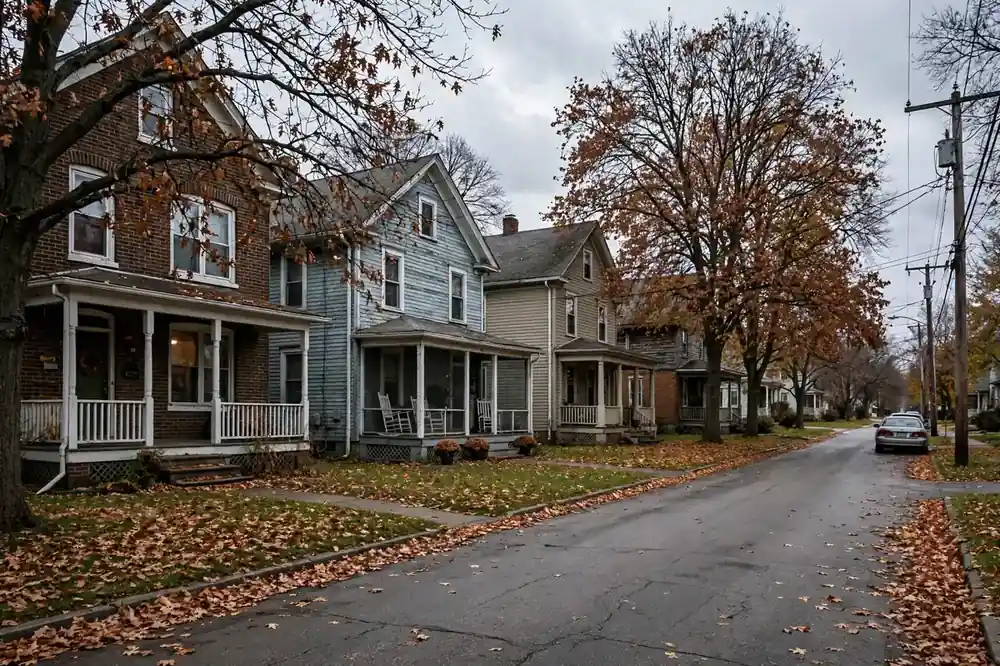 Youngstown, OH
Youngstown's basements have been fighting the same water for a century. The houses are old, the soil is clay, the river
Learn more Boardman, OH
Boardman's basements are wet for a straightforward reason: post-war houses on flat lots, clay soil that holds water, and
Learn more Austintown, OH
Austintown's basements wet up the same way Boardman's do, and for the same reasons: post-war houses, flat lots, clay soi
Learn more Canfield, OH
Canfield's homes are newer and its lots are larger than Youngstown's, but the valley's water does not respect the villag
Learn more Poland, OH
Poland's village homes have some of the oldest foundations in the Mahoning Valley, and its newer homes sit on the same c
Learn more Liberty, OH
Liberty Township runs along Belmont Avenue just north of Youngstown, a township of mid-century ranches and split-levels
Learn more Girard, OH
Girard sits on the Mahoning River, and its basements know it. The water table is high, the homes are old, and the river
Learn more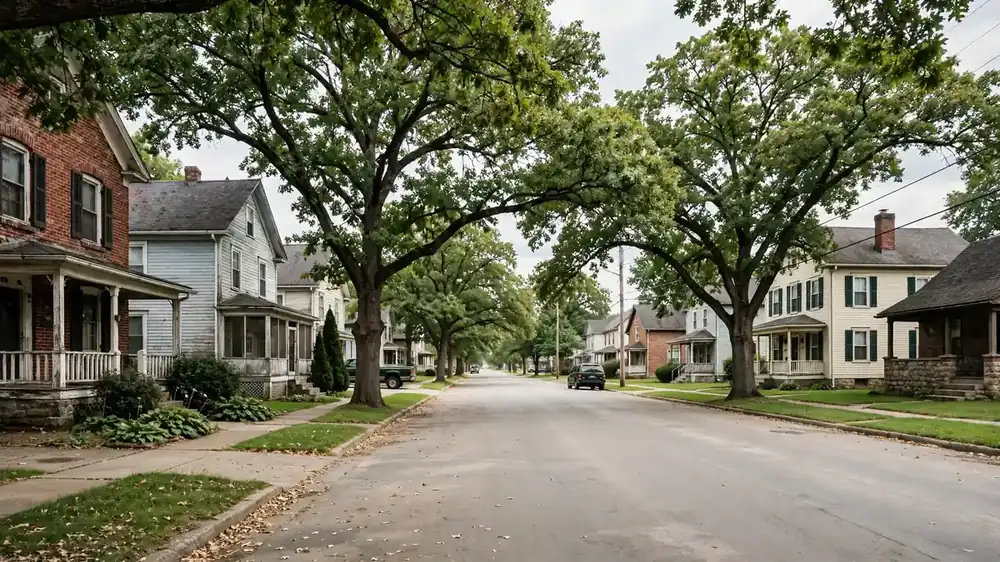 Niles, OH
Niles is a small industrial city with an old housing stock, and its basements carry the same water story as Youngstown's
Learn moreQuestions, answered
If water appears in the same place after more than one storm, or if the wall shows efflorescence, a musty smell or flaking paint, the problem is a water path, not a one-time leak. A single crack that leaks only during a driving rain can often be repaired on its own. A cove joint that runs water every spring needs a system that collects and removes water.
An interior drain system is designed for exactly that: it collects water at the wall-floor joint and along the wall, and the sump pump discharges it outside. During a heavy storm the pump will cycle more often, which is normal. What matters is that the discharge line runs well away from the house and does not freeze or clog, and that the pump has a backup if the power fails.
The drain system and the pump are two halves of one system. The channel collects the water, and the pump is what removes it from the house. Without a pump, the channel fills and the water has nowhere to go.
Interior waterproofing can be installed year-round, because the work happens inside the basement. Winter is often a good time to schedule it, since the ground is frozen and the basement is at its driest, which makes the inspection clearer. Exterior waterproofing is weather-dependent and is usually scheduled in the warmer months.
Clear the wall where the work will happen, moving stored items and shelving away from the floor along the wall. Note where water appears after rain, and when, because that record helps the inspection. Make sure the crew can reach the electrical panel, since the pump needs a dedicated outlet.
An interior drain system is built from PVC channel, gravel and concrete, which do not wear out in normal use. The part that needs attention is the sump pump, which has a working life measured in years, and the discharge line, which needs to stay clear. With the pump tested regularly, the pit kept clean and the discharge checked each spring, the system keeps working for decades.
Is your Youngstown basement wet?
Talk to a local waterproofing professional about where the water is coming in and what will fix it.