Basement Waterproofing in Poland, OH
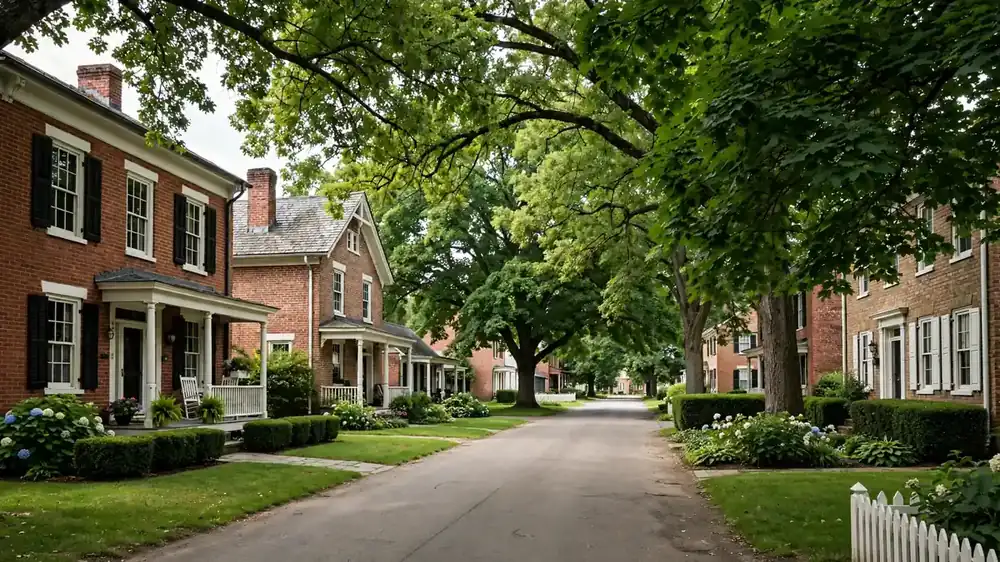
Poland's village homes have some of the oldest foundations in the Mahoning Valley, and its newer homes sit on the same clay soil as the rest of the cluster. The water does not care which century the house was built in.
Talk to a local waterproofing professional
Describe what is happening in your basement and a local professional will assess the water path and the right fix.
Hours: Mon–Fri 7:00 AM–10:00 PM ET · Sat 8:00 AM–10:00 PM ET · Sun 7:00 AM–9:00 PM ET
Why Poland basements get wet
Poland, southeast of Youngstown, is a village with a historic core and a growing township around it. The village homes, along South Main Street and the streets near the village center, have foundations that date from the early twentieth century, and some from the nineteenth. Those walls are often stone or early block, and they have had a century of freeze-thaw cycles. The mortar is soft, the faces are spalling, and the wall is porous.
The township homes, built from the 1960s onward, are newer, with block and poured foundations, and they leak in the same way as the rest of the valley: at the cove joint, where the wall meets the floor, because the clay soil holds water against the foundation and the spring thaw raises the water table.
The soil is the same clay-heavy soil as the rest of the Mahoning Valley, and it drains slowly. The lots in the village are smaller and the houses are closer together, which makes excavation harder, and the interior system is often the better answer there. The township lots are larger, which makes the discharge easier and the exterior work simpler.
Poland neighborhoods and housing
Poland Village, around South Main Street, has historic brick homes with block and stone foundations, and those basements are the wettest in Poland. The walls seep across their full length, and the water comes from below, from the joint and from the wall all at once. Those homes need a full system: an interior drain, a sump pump with a battery backup, and a wall membrane.
Poland Township, outside the village, has newer suburban homes on larger lots, with poured concrete foundations that are in good shape. Those basements usually leak at the cove joint, and the fix is an interior drain channel that collects the water at the joint and sends it to a sump pump.
The streets along North Lima Road and Clingan Road have a mix of both, with post-war homes whose basements wet up in spring and stay damp all summer. Those homes usually need a drain and a dehumidifier, because the problem is both the water that enters and the humidity that stays.
Services available in Poland
Interior drain systems are the core service in Poland, because the problem is the water table and the cove joint, and a perimeter channel with a sump pump is the direct answer. The channel is usually run along the two wettest walls, or around the full perimeter if the whole basement wets up.
Foundation waterproofing, from the outside, is the answer for the older village homes whose walls are deteriorating. A stone or early block wall that is spalling needs an exterior membrane and a drainage board, and the excavation lets the wall be repaired properly before it is sealed. The village lots are small, so the excavation is done in sections.
Sump pump installation and repair is the second most common job, because many Poland homes have a sump pit that was added long after the house was built, and the pump is undersized or the discharge ends at the foundation. A new pump, a new discharge line and a battery backup are the standard replacement.
Crawl space waterproofing is the answer for the Poland homes that have a crawl space under an addition. Encapsulation, with a heavy vapour barrier, sealed vents and a dehumidifier, changes a damp, musty crawl space into a dry, clean space.
How a Poland waterproofing job works
Every job starts with an inspection of the basement and the outside of the house. The technician walks the perimeter inside, looking for the water path, and outside, the check covers the grading, the gutters, the downspouts and the soil line against the wall. In Poland, the inspection spends more time on the wall type than in Boardman, because the village has stone and early block foundations that need a different method.
For an interior system, a narrow trench is cut in the slab along the wall where water enters, the drain channel and gravel bed are set at the footing, and the wall is covered with a drainage membrane. The channel connects to a sump basin, and the trench is re-concreted. Most jobs in a typical Poland home take two days.
The discharge line is run outside and away from the house, and the last step is testing: water is run into the channel, the pump cycles, and the discharge is watched outside to confirm the water is actually leaving the property.
Neighbourhoods in Poland
ZIP codes served in Poland: 44514
Waterproofing services in Poland
 Basement Waterproofing
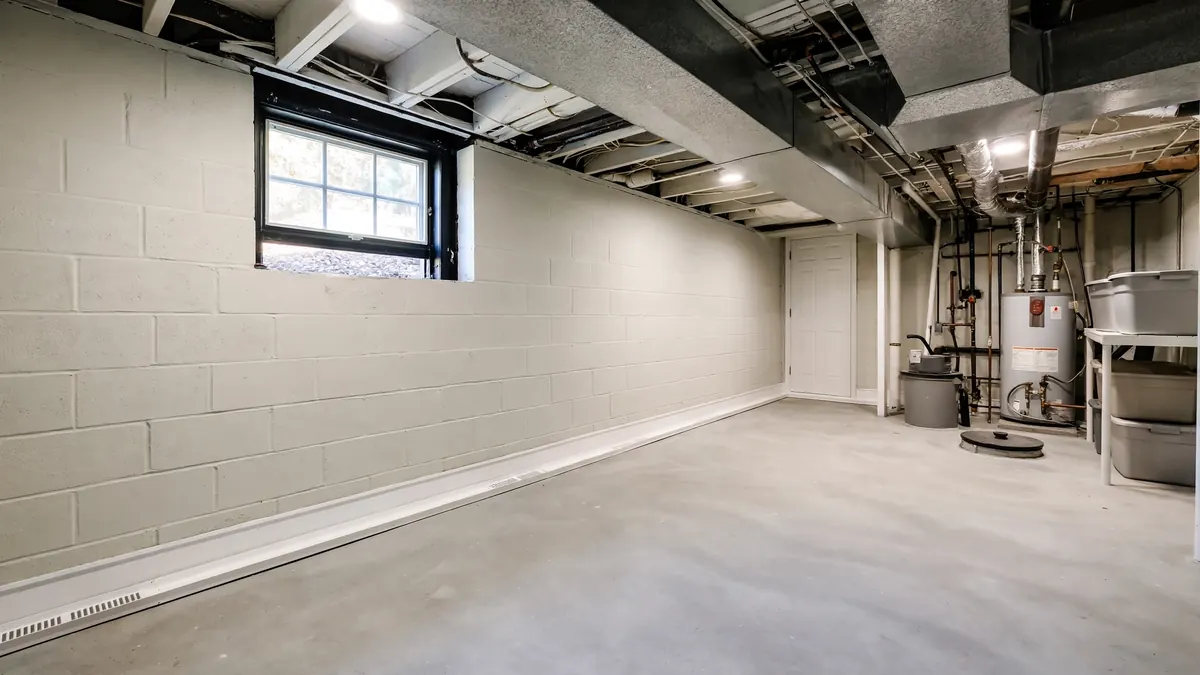
Basement waterproofing in Youngstown, OH for wet basements, wall leaks and seepage. Interior drains, sump pump
Learn more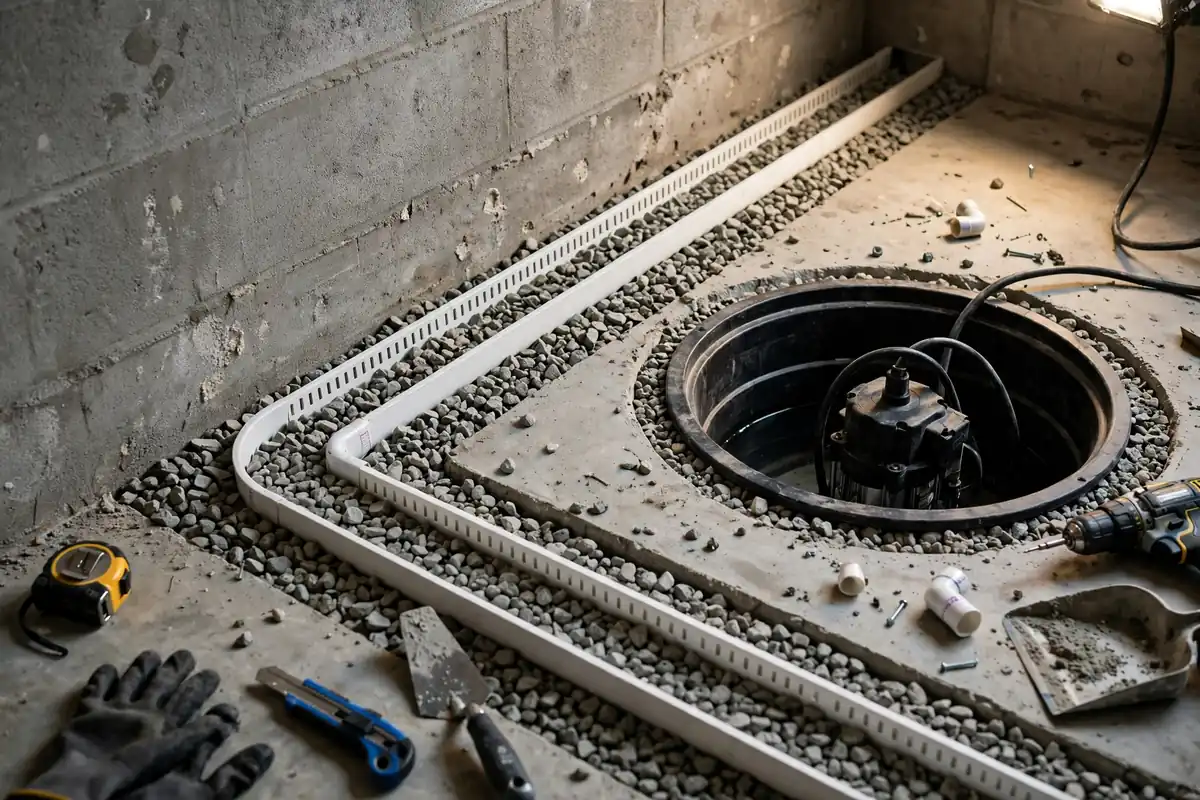 Interior Drain System
Interior drain systems in Youngstown, OH collect water at the wall-floor joint and send it to a sump pump. A p
Learn more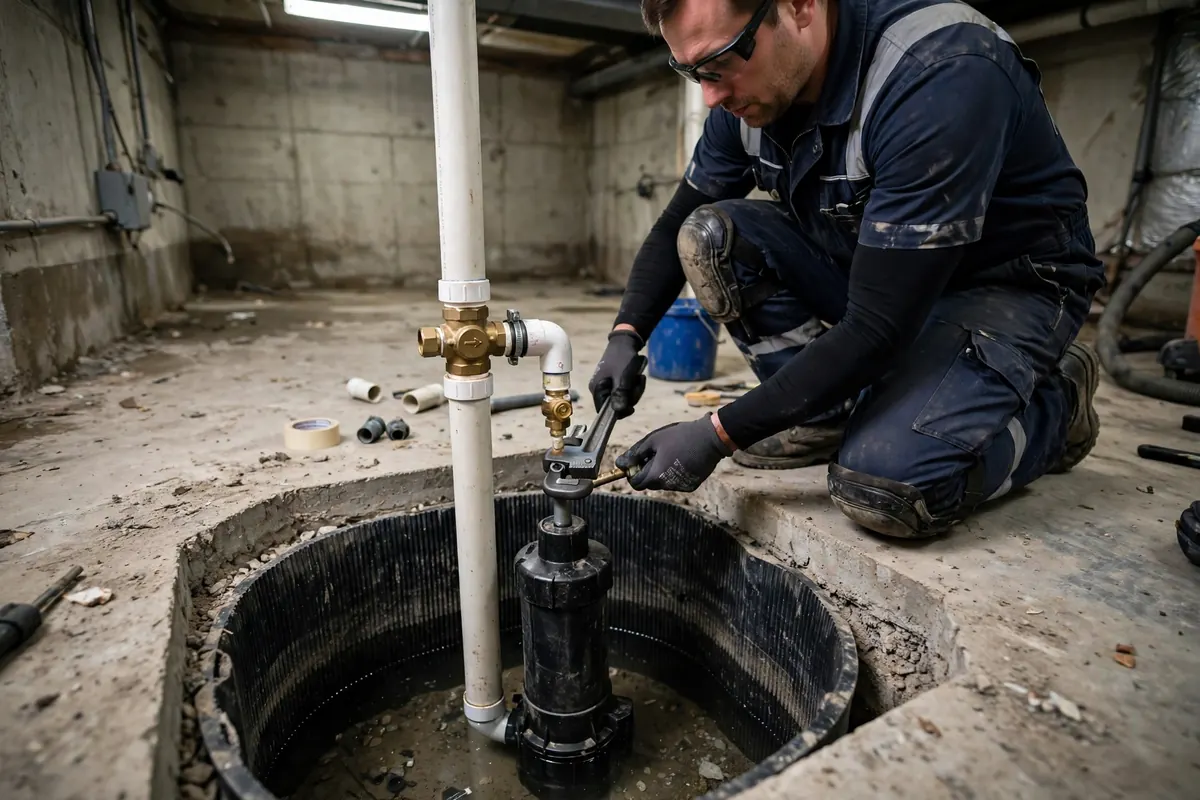 Sump Pump Installation
Sump pump installation in Youngstown, OH for basements that take on water. Submersible pumps, battery backup s
Learn more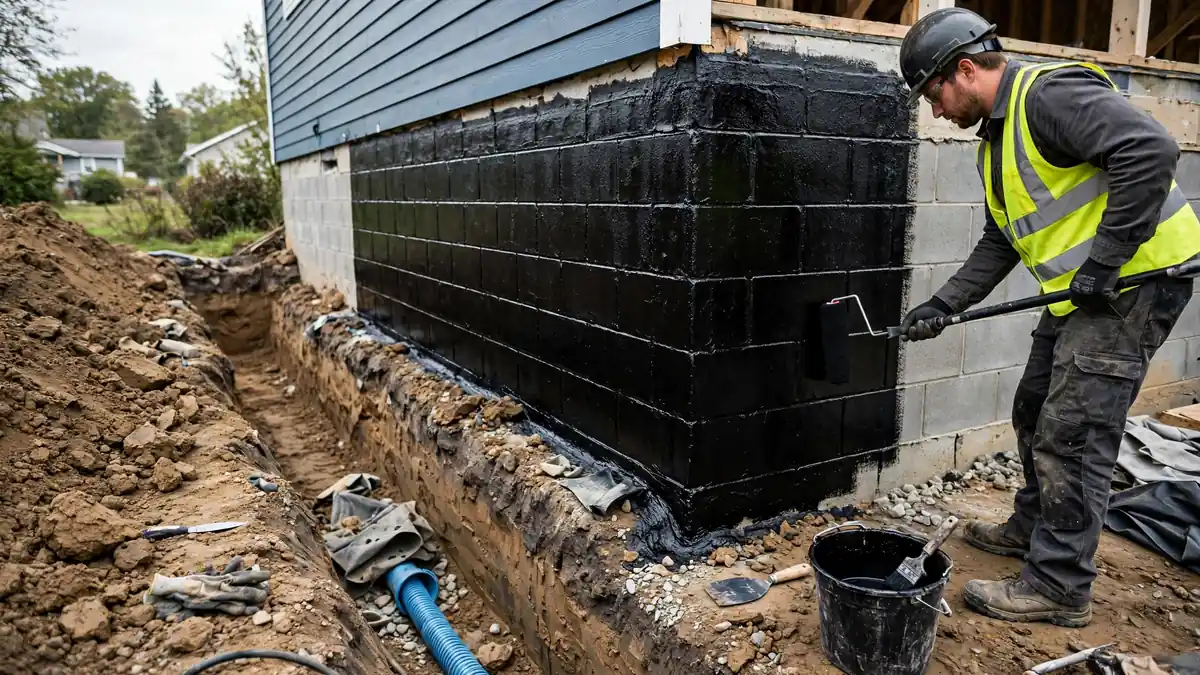 Foundation Waterproofing
Foundation waterproofing in Youngstown, OH: exterior membranes, drainage board and interior systems for block
Learn more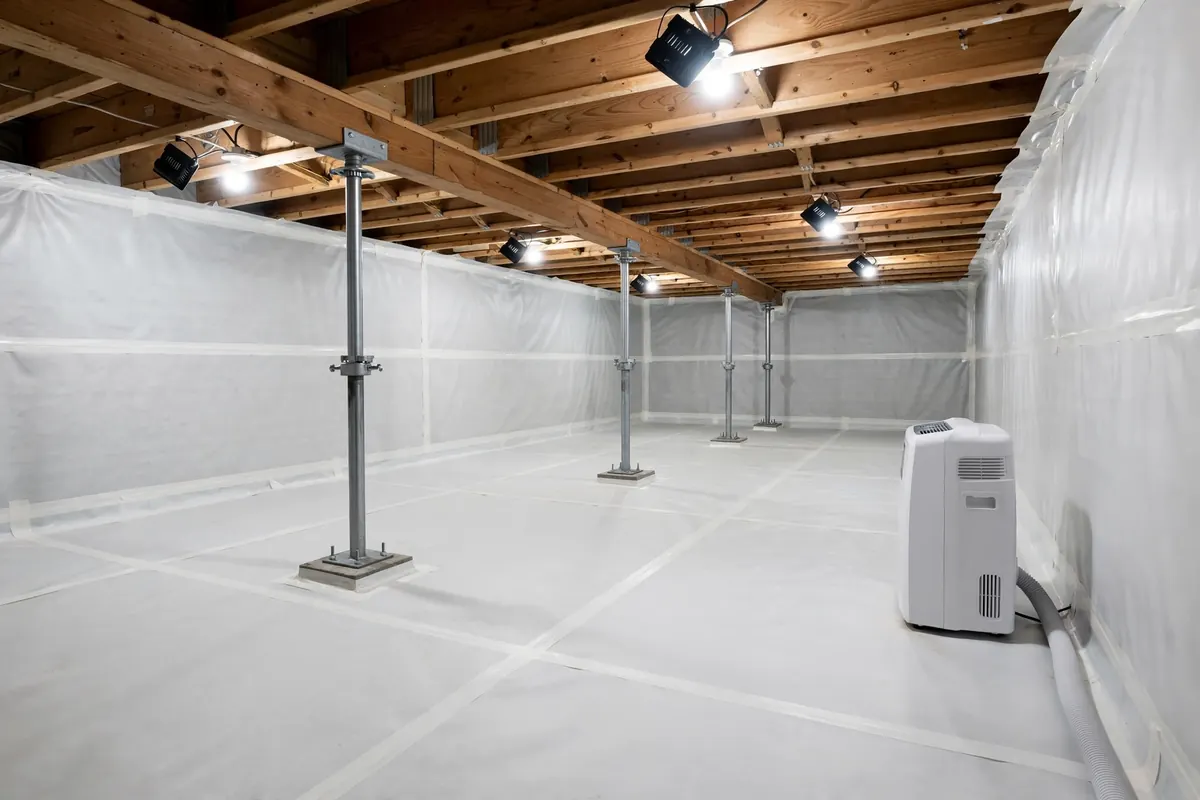 Crawl Space Waterproofing
Crawl space waterproofing in Youngstown, OH: encapsulation, vapor barriers, drainage and dehumidification for
Learn more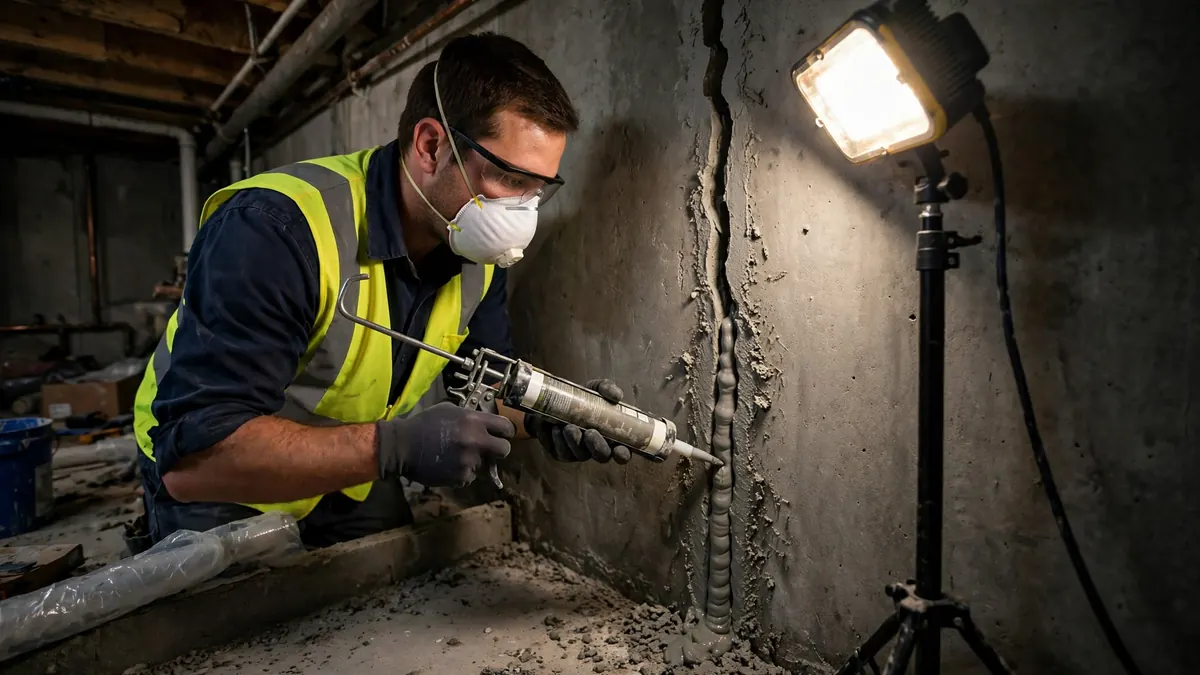 Basement Leak Repair
Basement leak repair in Youngstown, OH: find where the water enters and fix that path. Crack injection, joint
Learn moreAlso serving nearby towns
Questions, answered
Because the foundation is historic too. A stone or early block foundation that is a century old has had a century of freeze-thaw cycles, and the mortar is soft, the faces are spalling, and the wall is porous. The water moves through the wall itself, not just through a crack or a joint, and it needs a membrane and a drain, not a patch. The age of the house is the reason for the leak, not a reason to ignore it.
Often, yes, because the walls are deteriorating. A stone or early block wall that is spalling needs an exterior membrane and a drainage board, because no interior coating will hold the wall together. The village lots are small, so the excavation is done in sections, and the restoration is part of the job. The inspection will tell you whether the wall needs exterior protection or whether the interior system is sufficient.
A leaking cove joint, where the wall meets the floor, in a home on clay soil, and seepage through an old block or stone wall in the village homes. The water enters at the joint after every sustained rain, and it seeps through the wall in the older homes. The fix is an interior drain channel that collects the water at the joint and sends it to a sump pump, plus a wall membrane that catches the seepage.
Yes, but it is a specialist job. A stone foundation is irregular, the mortar is soft, and the wall moves with the seasons. It needs repointing, a flexible membrane, and a drainage system that can handle the uneven surface. It can be done, but it should not be attempted with a method designed for block or poured concrete. The inspection will identify the wall type and the plan will be written for it.
A single crack repair takes an hour or two. An interior drain system for a typical Poland home takes two days. An exterior waterproofing job takes a week or more, because the village lots are small and the excavation is done in sections. The drying takes longer: a basement that has been wet for years may take weeks to dry out fully after the system is installed.
Yes, always. Finishing a basement before the water problem is fixed means the finished walls will hide the water until the damage is already done, and the repair will mean tearing out the finished work. Waterproof first, test through at least one wet season if possible, and only then finish.
Basement wet in Poland?
Talk to a local waterproofing professional about what is happening in your basement.
Get in touch
Talk to a local waterproofing professional about your basement in Poland, OH.
Hours: Mon–Fri 7:00 AM–10:00 PM ET · Sat 8:00 AM–10:00 PM ET · Sun 7:00 AM–9:00 PM ET
What to have ready
- Where the water appears, and after what kind of weather
- Whether the basement has a sump pump, and whether it runs
- Photos of the wall, the floor joint, or the water itself