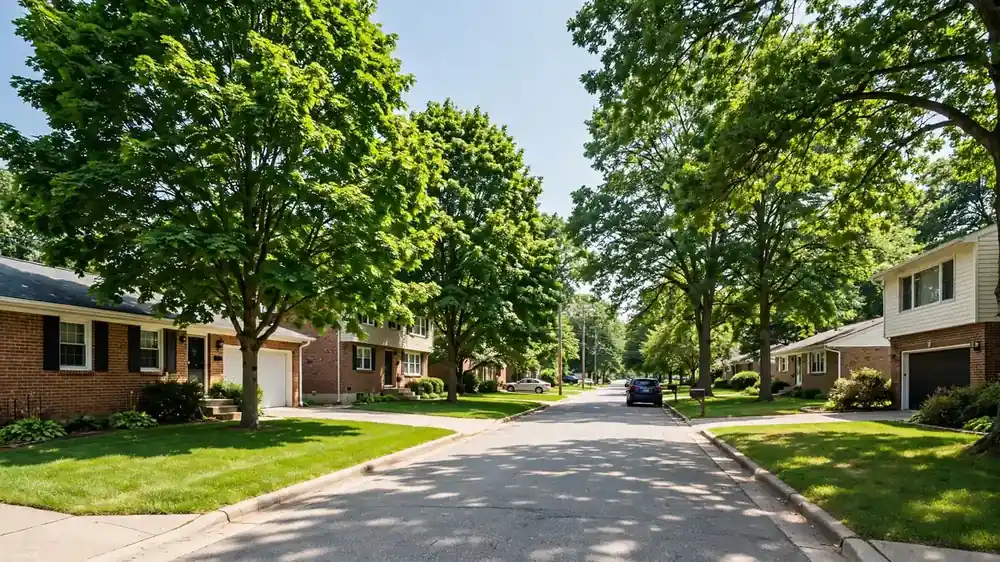
Residential Basement Waterproofing in Youngstown, OH
A family home's basement is not just storage. It is where the furnace lives, where the laundry runs, where the kids' things are kept, and where the air the family breathes comes from. Keeping it dry is keeping the house healthy.
Talk to a local waterproofing professional
Describe what is happening in your basement and a local professional will assess the water path and the right fix.
Hours: Mon–Fri 7:00 AM–10:00 PM ET · Sat 8:00 AM–10:00 PM ET · Sun 7:00 AM–9:00 PM ET
What a dry basement means for a family
A dry basement means the air in the house is dry. The air in a basement does not stay in the basement. It rises through the floors, through gaps around pipes and wires, and into the rooms where the family lives. A damp basement sends humid, musty air upstairs, and that air carries mould spores. A dry basement sends dry, clean air, and the house smells like a house rather than a basement.
A dry basement means the equipment is protected. The furnace, the water heater, the electrical panel and the laundry appliances all live in the basement, and they all rust from the bottom up when the basement is wet. A furnace that rusts out early is an expensive replacement, and a water heater that fails will flood the basement it sits in. Keeping the basement dry protects the most expensive equipment in the house.
A dry basement means the space is usable. A basement that is dry can be a laundry room, a playroom, a home office, or simply clean, dry storage. A basement that is wet is none of those things. It is a space that cannot be used, and a house with a basement that cannot be used is a house that is smaller than it should be.
Common residential basement problems
A leaking cove joint is the most common problem in a family home in the Mahoning Valley. The water enters at the joint where the wall meets the floor, after every sustained rain, and it spreads across the floor to the lowest point. The fix is an interior drain channel that collects the water at the joint and sends it to a sump pump.
Seepage through a block wall is the second most common problem, especially in older homes. The water moves through the mortar joints and the block cores, and it appears as damp patches, efflorescence, or a musty smell. The fix is a wall membrane that catches the seepage and directs it into the drain channel.
A failed sump pump is the third most common problem, and it is the one that causes the most damage, because it turns a wet basement into a flooded one. A pump that has never been serviced, or a pump that is undersized for the house, will fail during the storm that needs it most. A new pump, with a battery backup, is the standard replacement.
A musty smell is the problem that families notice first, and it is the one that should not be ignored. The smell comes from mould growing in the damp basement, and the mould is a health concern, especially for children and for anyone with allergies or asthma. Closing the water path and running a dehumidifier will fade the smell as the basement dries.
How a family home is waterproofed
Every job starts with an inspection that looks at the basement and the outside of the house. The technician walks the perimeter inside, looking for the water path, and outside, the check covers the grading, the gutters, the downspouts and the soil line against the wall. The inspection usually takes less than an hour, and it decides everything that follows.
For most family homes, the answer is an interior system: a drain channel along the wall-floor joint, a wall membrane that catches the seepage, and a sump pump that sends the water outside. The system is installed from the inside, so there is no excavation, and it can be done year-round. Most jobs in a typical Youngstown home take two to three days.
The sump pump is fitted with a battery backup where power cuts are a concern, and the discharge line is run outside and away from the house. The last step is testing: water is run into the channel, the pump cycles, and the discharge is watched outside to confirm the water is actually leaving the property.
The basement is then dried, with a dehumidifier if needed, and the family can use the space again. A dry basement is a basement that can be finished, if the family wants to, but only after it has stayed dry through a wet season.
Keeping a family basement dry
A waterproofing system needs very little maintenance, but it needs to be done. Test the pump a few times a year by pouring water into the pit and watching it cycle. Keep the pit clean of debris. Check the discharge outlet each spring for blockages. If the system has a battery backup, check the battery. A few minutes of checking each season is what keeps the system ready for the storm that matters.
The grading and the gutters need attention too. Keep the gutters clean, extend the downspouts away from the house, and make sure the ground slopes away from the foundation. Those are the small things that reduce the amount of water the system has to handle, and they make every other part of the system work better.
The basement should be checked after every heavy storm, especially in the first year after the system is installed. A basement that stays dry through a Youngstown spring is a basement that has been repaired, and a basement that wets up again needs a look, because the water has found a new path.
What a proper job looks like
Water path found first
The inspection traces the water to its entry point, so the fix matches the cause.
Pressure relieved, not fought
A drain channel gives water a better path than your floor. Paint and sealant fight pressure and lose.
Pump sized to the house
The pump is sized to the water volume and the lift, with a battery backup for power cuts.
Tested before handover
Water is run into the channel, the pump cycles, and the discharge is checked outside.
From inspection to a dry basement
Inspection
Walk the basement and the outside of the house to find where the water enters, what the wall is made of, and where the water table sits.
Plan
Match the system to the house: drain channel, wall membrane, sump pump, discharge, and battery backup where power cuts are a concern.
Install
Cut the trench, lay the channel and gravel, fit the membrane and the pump, and run the discharge away from the house.
Restore
Re-pour the concrete flush with the floor, clean the work area, and leave the basement usable again.
Test
Run water into the channel, watch the pump cycle, and confirm the discharge flows away from the property.
Services for Residential Homes
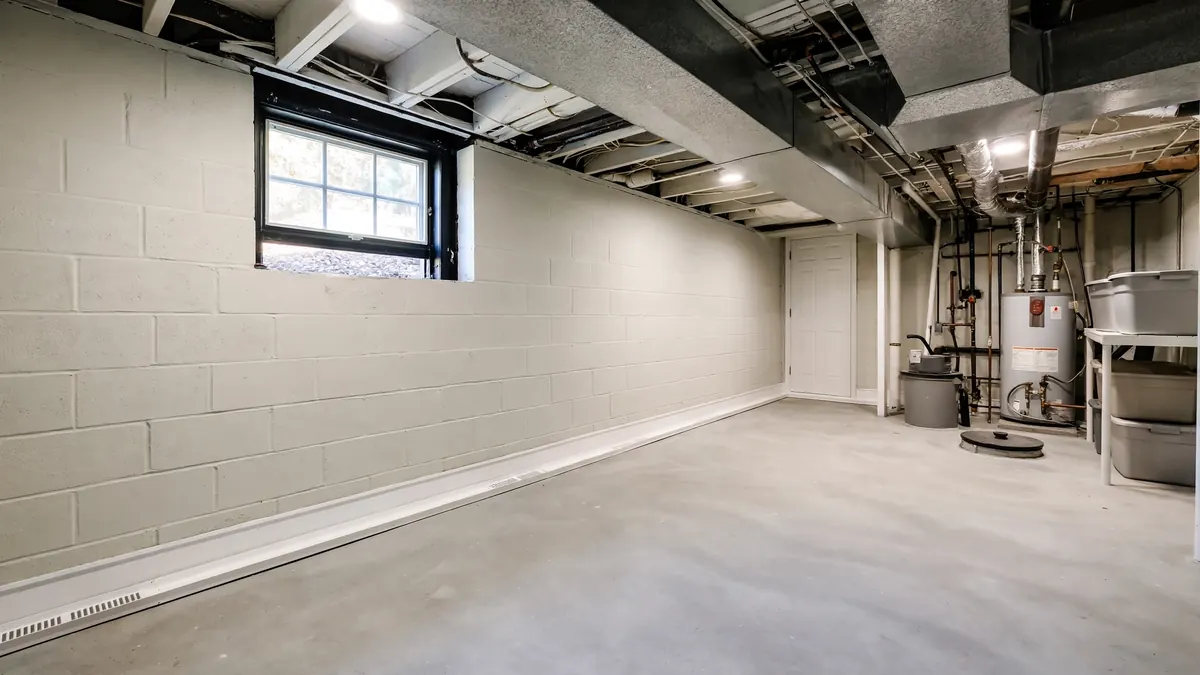 Basement Waterproofing
Basement waterproofing in Youngstown, OH for wet basements, wall leaks and seepage. Interior drains, sump pump
Learn more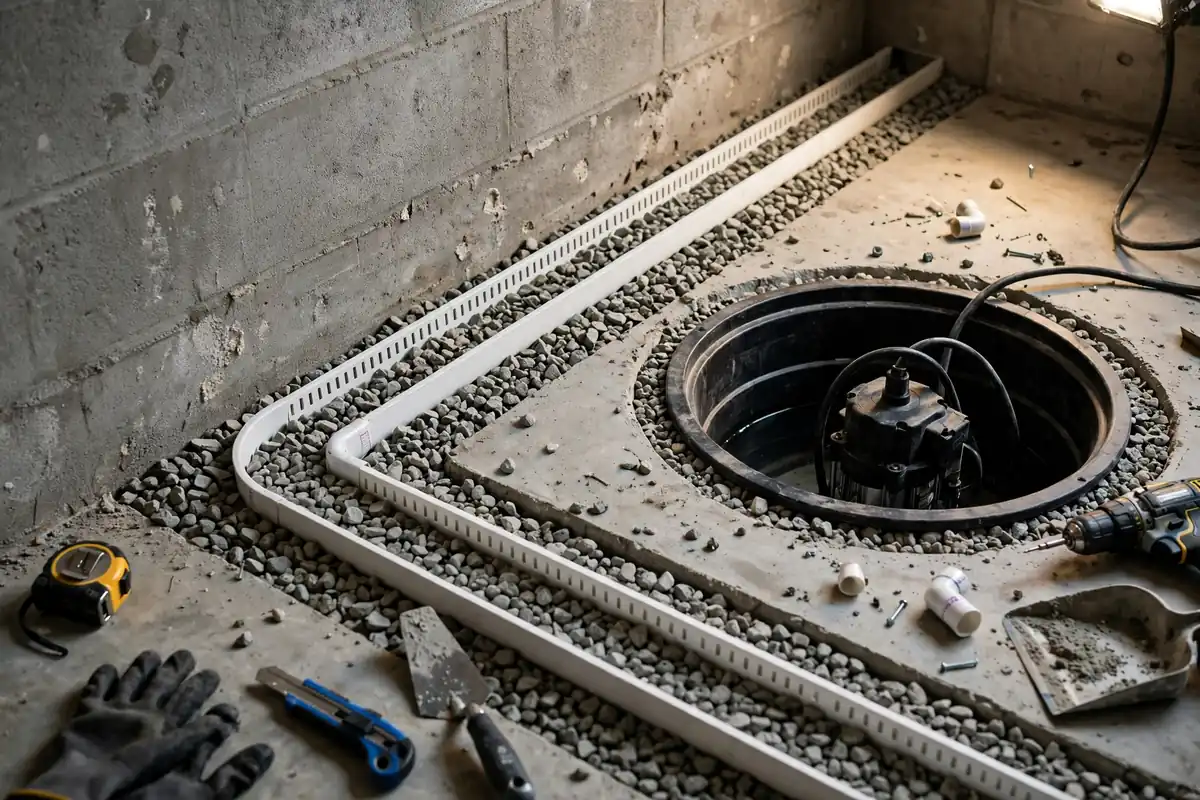 Interior Drain System
Interior drain systems in Youngstown, OH collect water at the wall-floor joint and send it to a sump pump. A p
Learn more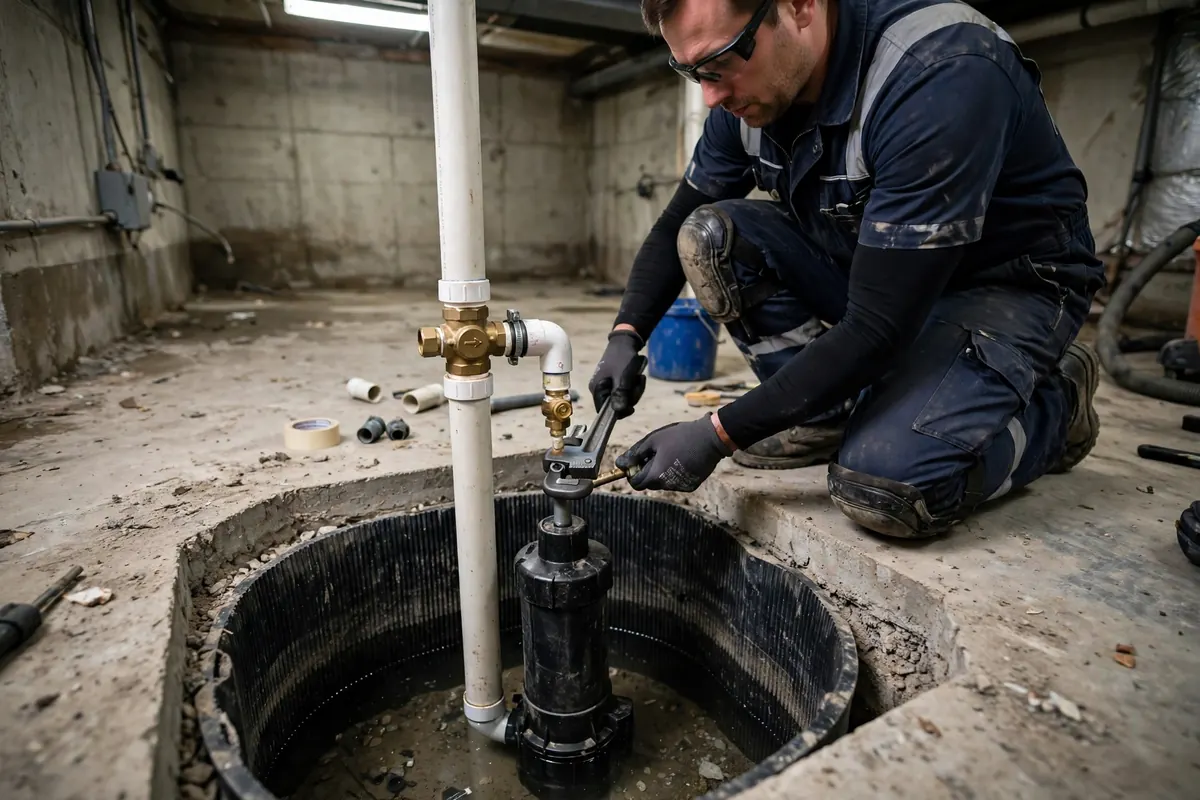 Sump Pump Installation
Sump pump installation in Youngstown, OH for basements that take on water. Submersible pumps, battery backup s
Learn more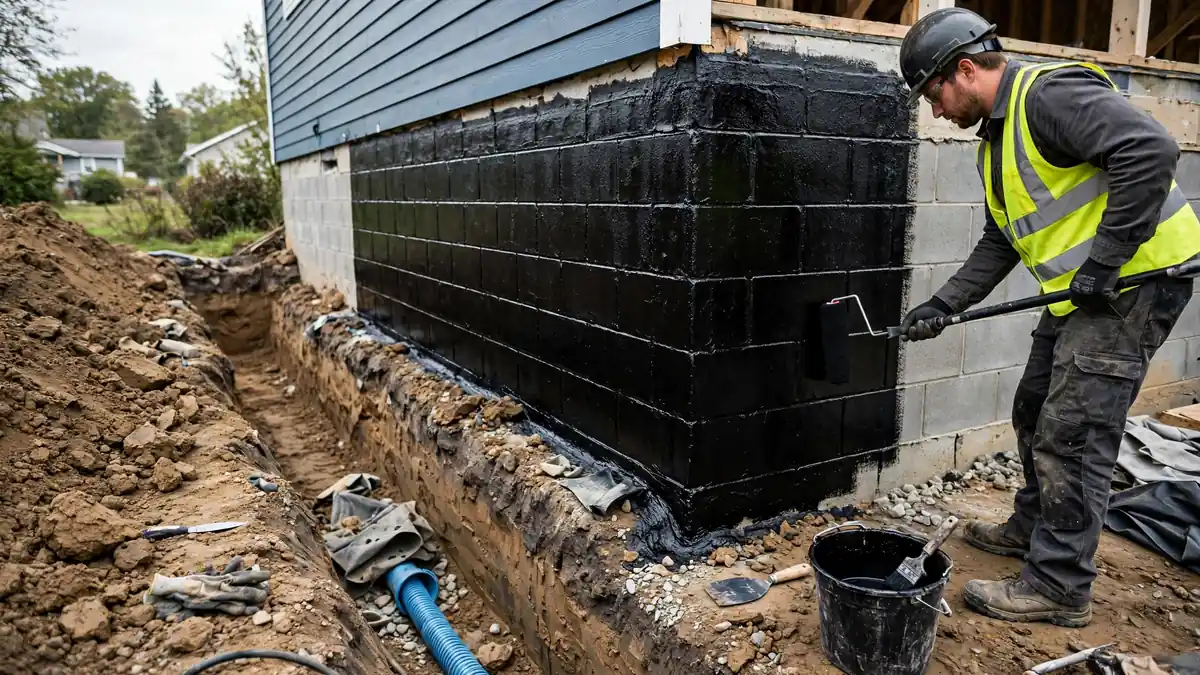 Foundation Waterproofing
Foundation waterproofing in Youngstown, OH: exterior membranes, drainage board and interior systems for block
Learn more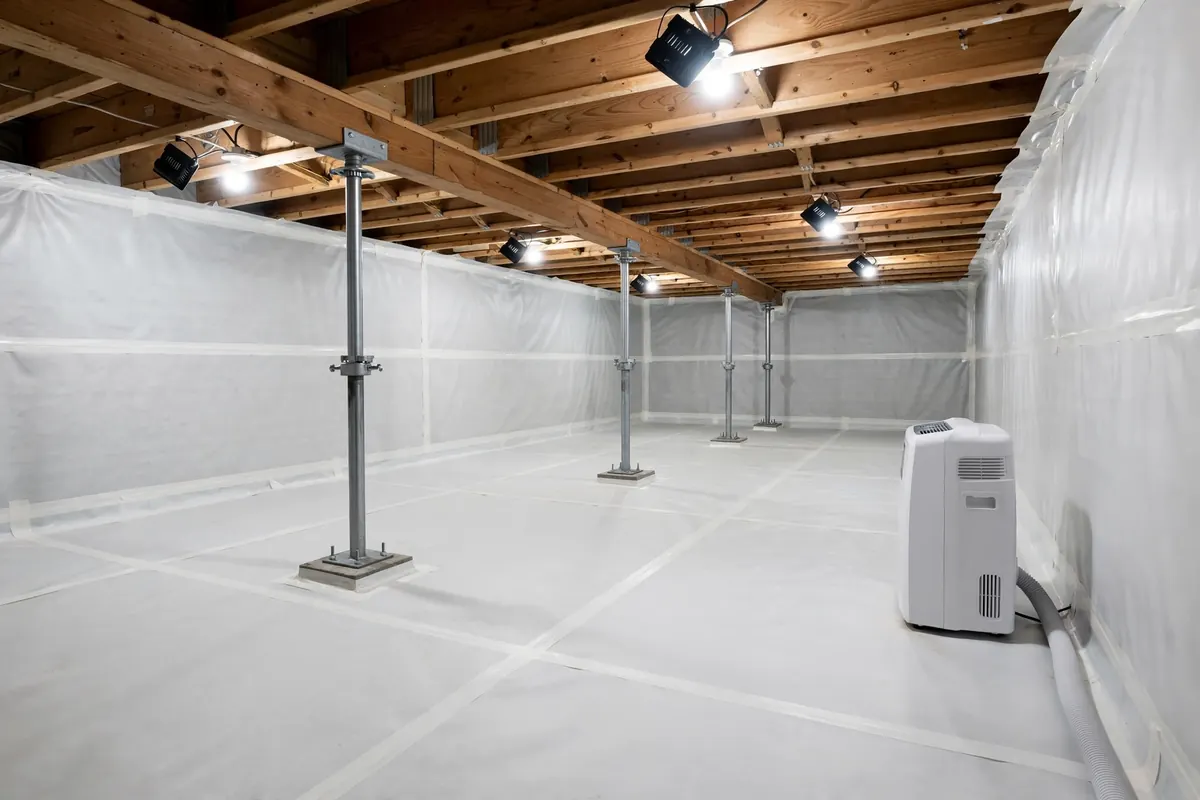 Crawl Space Waterproofing
Crawl space waterproofing in Youngstown, OH: encapsulation, vapor barriers, drainage and dehumidification for
Learn more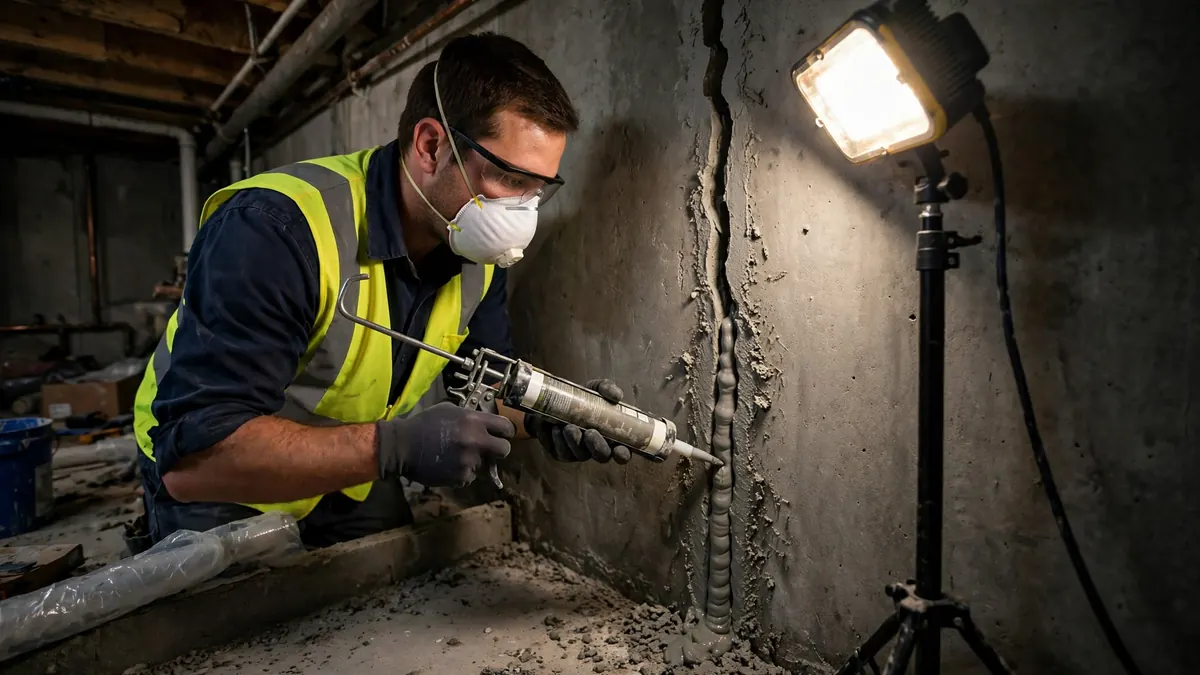 Basement Leak Repair
Basement leak repair in Youngstown, OH: find where the water enters and fix that path. Crack injection, joint
Learn moreQuestions, answered
It can be. A damp basement feeds mould growth, and mould spores rise into the living space through the air. The musty smell is the sign, and the health concern is real, especially for children and for anyone with allergies or asthma. Closing the water path and drying the basement removes the moisture that mould needs to grow, and the air in the house improves.
Yes, but only after the basement has stayed dry through a wet season. Finishing a basement before the water problem is fixed means the finished walls will hide the water until the damage is already done. Waterproof first, test through a spring, and only then finish. It is far simpler to waterproof an unfinished basement than to repair a finished one.
It will feel warmer, because a dry basement is a warmer basement. Damp air feels colder than dry air, and a damp floor and damp walls pull heat out of the room. Once the basement is dry, the floor and the walls are dry, and the space feels warmer and more comfortable, even without additional heating.
Test the pump regularly, keep the pit clean, check the discharge each spring, and keep the gutters clean and the downspouts extended away from the house. A few minutes of checking each season keeps the system working. The basement should also be checked after every heavy storm, especially in the first year, because a basement that stays dry through a spring is a basement that has been repaired.
Move anything that can be damaged away from the water, and check anything that has been in a damp basement for mould. Cardboard boxes, fabric and paper absorb moisture and mould, and they should be replaced rather than returned to the basement. Metal shelving should be checked for rust. Once the basement is dry, stored items should be kept off the floor on shelving, and nothing should be stored against the wall where it could hide a leak.
Yes, if the pit is covered with a sealed lid. The lid keeps children and pets out of the pit, keeps debris out of the pump, and keeps moisture and radon out of the room. A sump pit without a lid is a hazard, and it should be fitted with one as part of any pump installation or repair.
Talk to a local waterproofing professional
Describe the building and what is happening in the basement, and a local professional will assess the water path and the right fix.
Get in touch
Talk to a local waterproofing professional about your basement.
Hours: Mon–Fri 7:00 AM–10:00 PM ET · Sat 8:00 AM–10:00 PM ET · Sun 7:00 AM–9:00 PM ET
What to have ready
- Where the water appears, and after what kind of weather
- Whether the basement has a sump pump, and whether it runs
- Photos of the wall, the floor joint, or the water itself