Basement Waterproofing Blog | Youngstown, OH Guides
Guides, comparisons and maintenance checklists for Youngstown homeowners: why basements leak, what to do when one floods, and how to keep it dry through the spring thaw.
Talk to a local waterproofing professional
Describe what is happening in your basement and a local professional will assess the water path and the right fix.
Hours: Mon–Fri 7:00 AM–10:00 PM ET · Sat 8:00 AM–10:00 PM ET · Sun 7:00 AM–9:00 PM ET
All articles
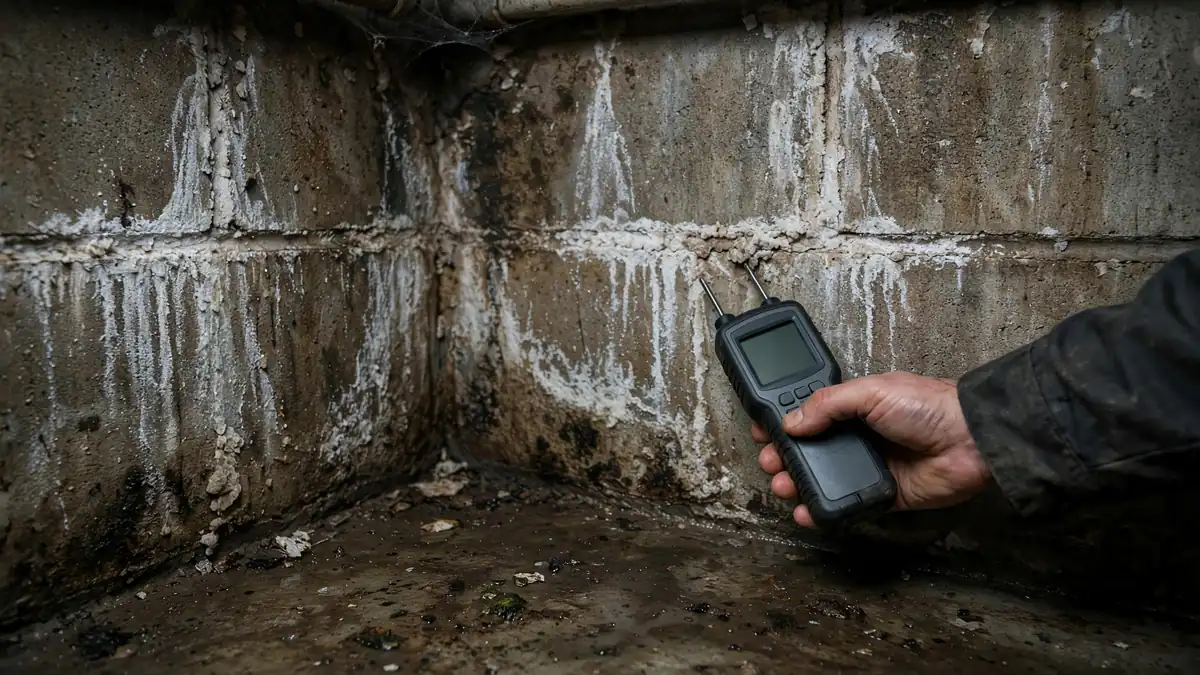
GuidesWhy Basements Leak in Youngstown, OH | The Mahoning Valley Water Problem
Why do Youngstown basements leak? The water table, clay soil, old foundations and spring thaw explain most wet basements in the Ma
Read more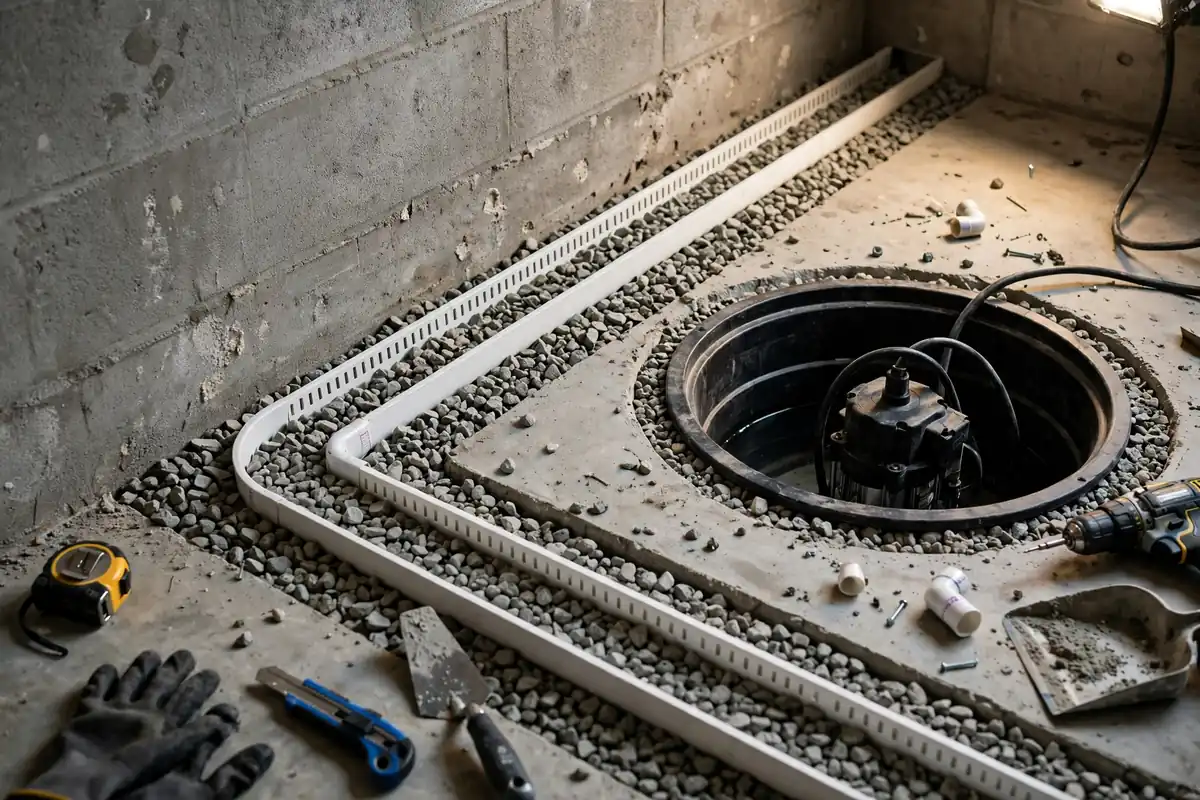 Comparisons
Sump Pump vs Interior Drain System | Which Does Your Basement Need?
Sump pump vs interior drain system: what each one does, why a pump alone is not enough, and how the two work together in a Youngst
Read more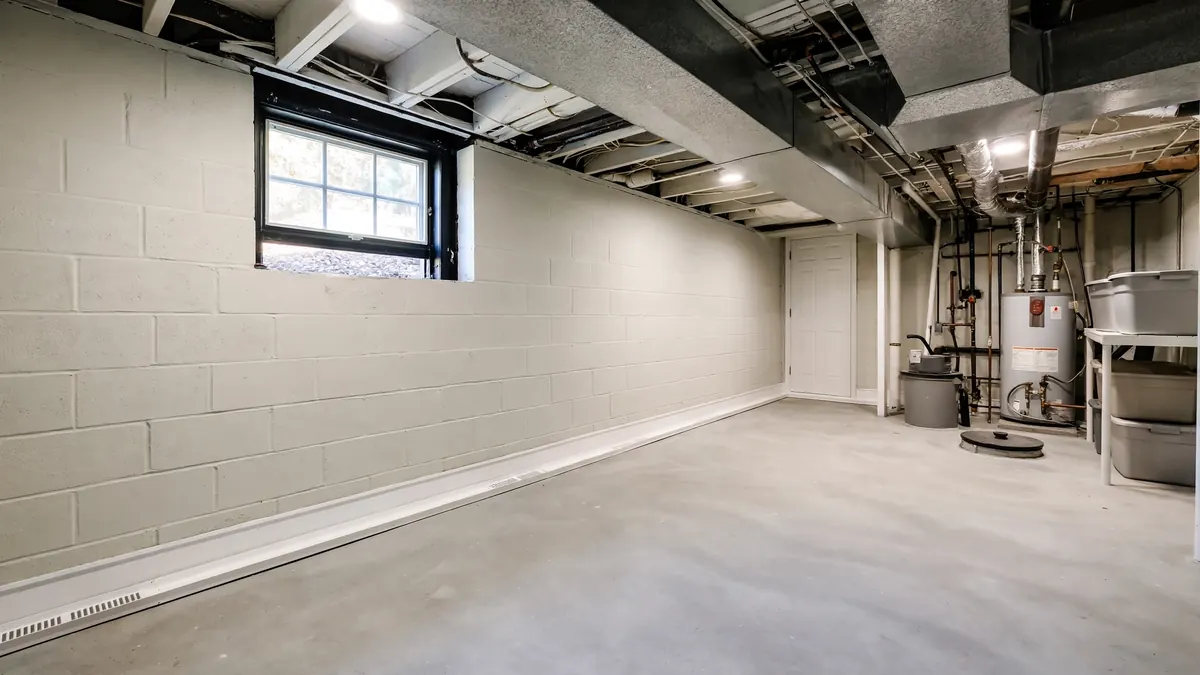 Guides
7 Signs Your Basement Needs Waterproofing | Youngstown Homeowner Guide
Seven signs your Youngstown basement needs waterproofing: water at the joint, efflorescence, musty smell, flaking paint, rust and
Read more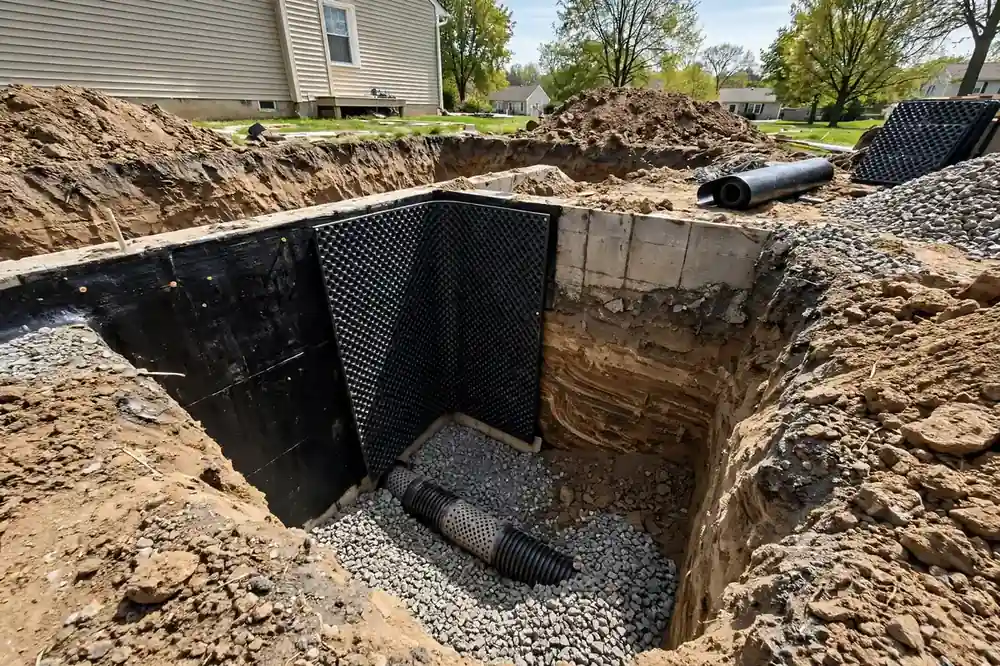 Comparisons
Interior vs Exterior Waterproofing | Which Is Right for Your Youngstown Home?
Interior vs exterior waterproofing compared: what each one does, when each is right, and why many Youngstown homes end up with bot
Read more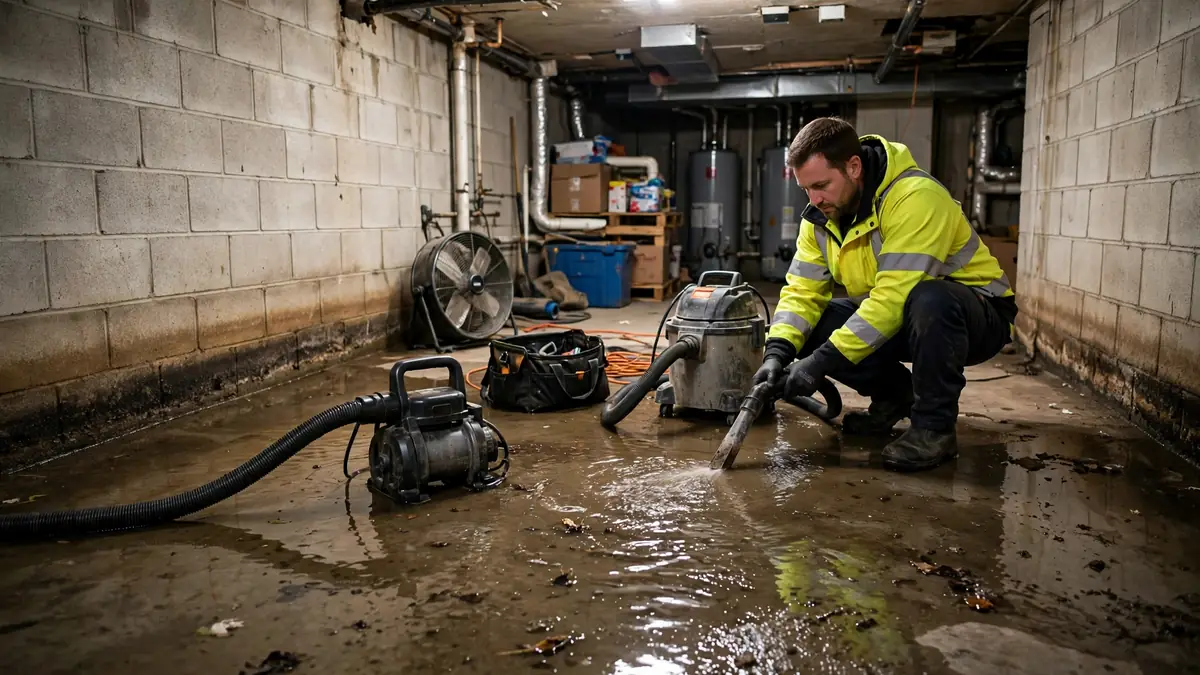 Guides
What to Do When Your Basement Floods | Youngstown Emergency Guide
What to do when your Youngstown basement floods: stay safe, get the water out, dry the basement, and stop it happening again.
Read more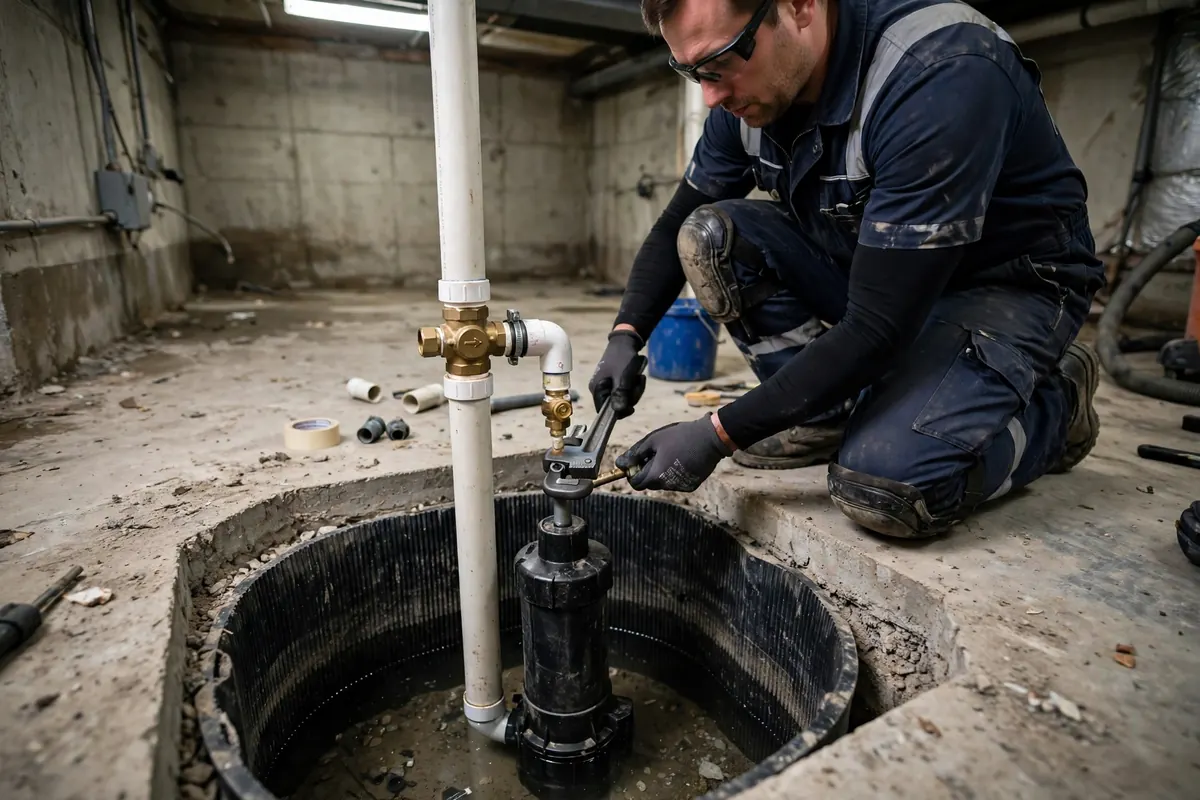 Guides
How to Prepare Your Basement for the Spring Thaw in Youngstown
Prepare your Youngstown basement for the spring thaw: test the sump pump, clear the discharge, check the grading and know what to
Read more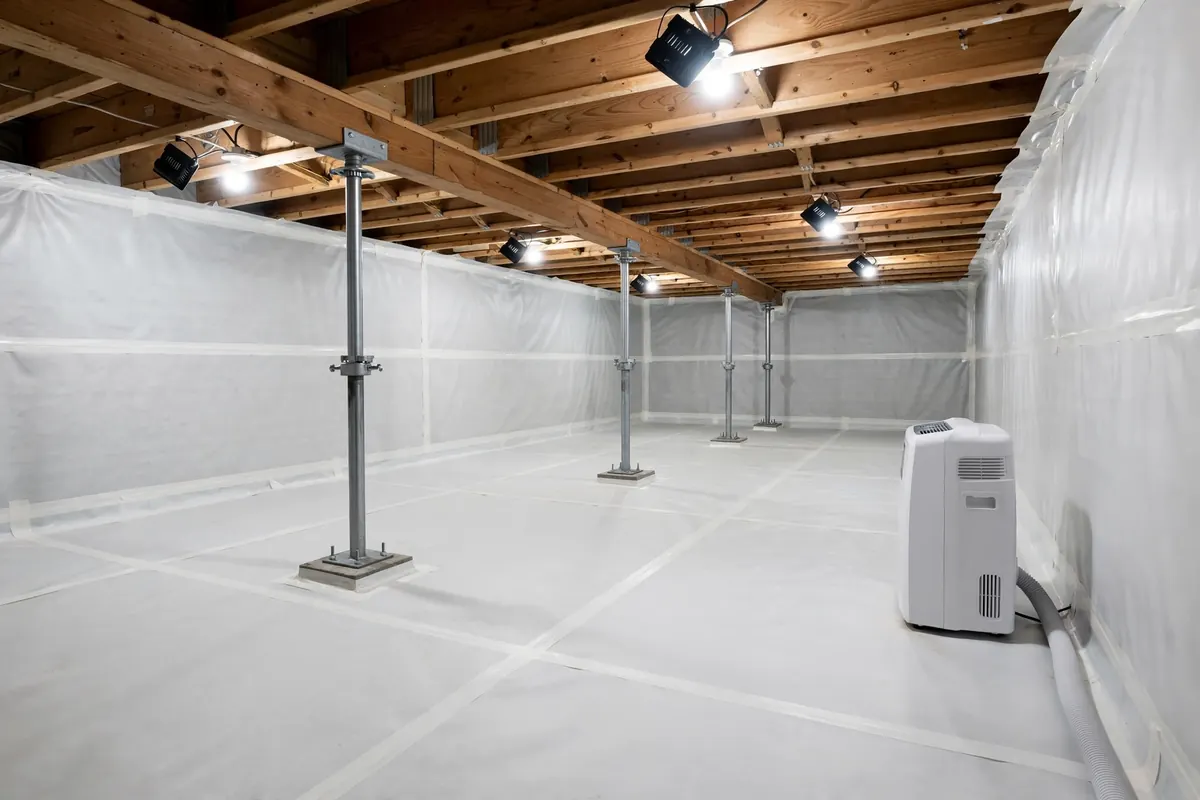 Guides
Crawl Space Moisture Problems in Ohio | Causes, Signs & Fixes
Crawl space moisture problems in Ohio: why crawl spaces get wet, the signs to look for, and how encapsulation, drainage and dehumi
Read more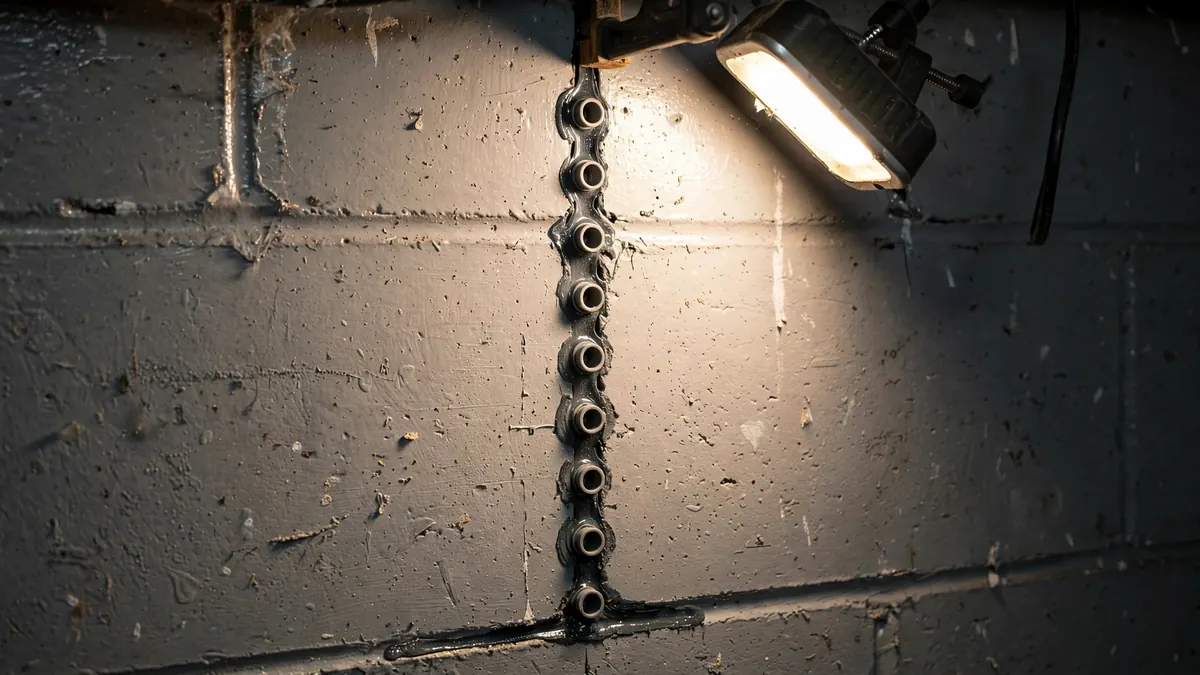 Guides
Foundation Cracks: When to Worry and When to Repair | Youngstown Guide
Foundation cracks in Youngstown homes: which cracks are shrinkage, which mean settlement or soil pressure, and when a crack needs
Read more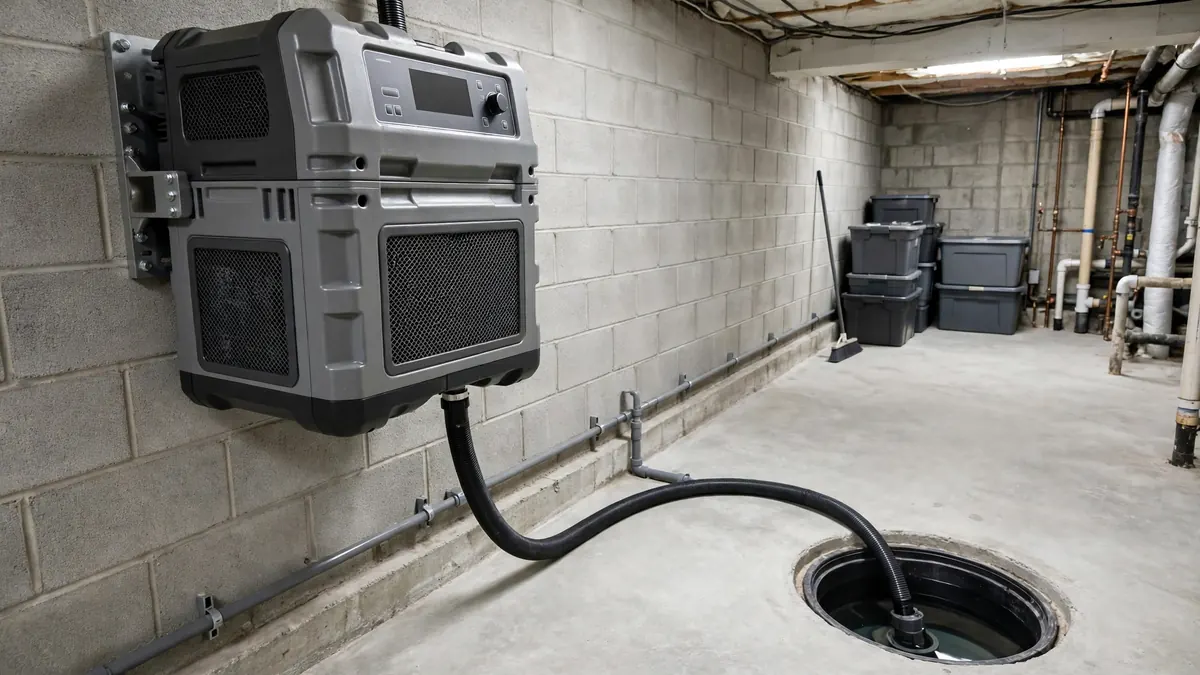 Maintenance
Basement Waterproofing Maintenance Checklist | Youngstown Homeowners
A seasonal maintenance checklist for your Youngstown basement waterproofing system: test the pump, check the discharge, inspect th
Read more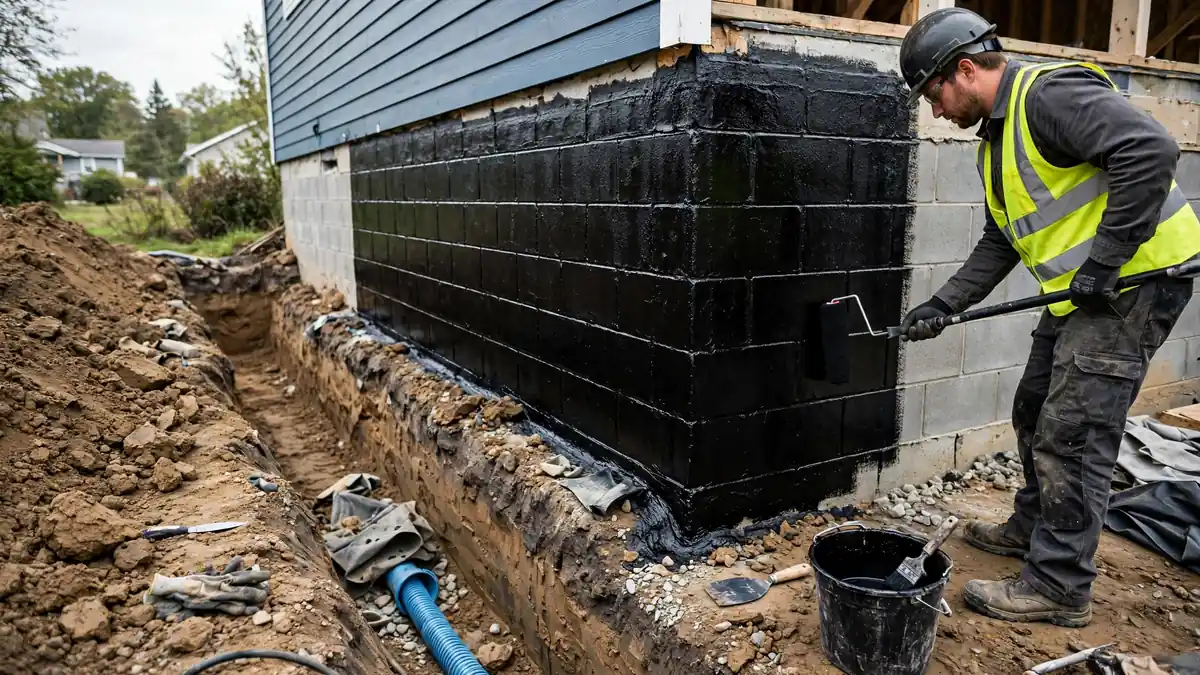 Maintenance
How Long Does Basement Waterproofing Last? | Youngstown Homeowner Guide
How long does basement waterproofing last in a Youngstown home? The drain, the membrane and the pump each have a different lifespa
Read moreQuestions, answered
If water appears in the same place after more than one storm, or if the wall shows efflorescence, a musty smell or flaking paint, the problem is a water path, not a one-time leak. A single crack that leaks only during a driving rain can often be repaired on its own. A cove joint that runs water every spring, or a wall that seeps across a wide area, needs a system that collects and removes water, not a patch. An inspection that traces the water path will tell you which one you are dealing with.
An interior drain system is designed for exactly that: it collects water at the wall-floor joint and along the wall, and the sump pump discharges it outside. During a heavy storm the pump will cycle more often, which is normal. What matters is that the discharge line runs well away from the house and does not freeze or clog, and that the pump has a backup if the power fails. A system that is sized to the house and maintained will handle the storms Youngstown gets, including the fast summer downpours.
It fixes the cause of the smell in most cases. A musty smell usually means moisture is feeding mould growth on organic material in the basement, behind stored items, under carpet or inside a finished wall. Once the water path is closed and the basement dries out, the moisture source is gone. If the smell persists after the basement is dry, the cause may be a separate issue such as a sewer gas leak or a damp crawl space, and that needs its own inspection.
Interior waterproofing can be installed year-round, because the work happens inside the basement. Winter is often a good time to schedule it, since the ground is frozen and the basement is at its driest, which makes the inspection clearer. Exterior waterproofing is weather-dependent and is usually scheduled in the warmer months, when the ground can be excavated and the membrane can cure properly.
Get in touch
Talk to a local waterproofing professional about your basement.
Hours: Mon–Fri 7:00 AM–10:00 PM ET · Sat 8:00 AM–10:00 PM ET · Sun 7:00 AM–9:00 PM ET
What to have ready
- Where the water appears, and after what kind of weather
- Whether the basement has a sump pump, and whether it runs
- Photos of the wall, the floor joint, or the water itself