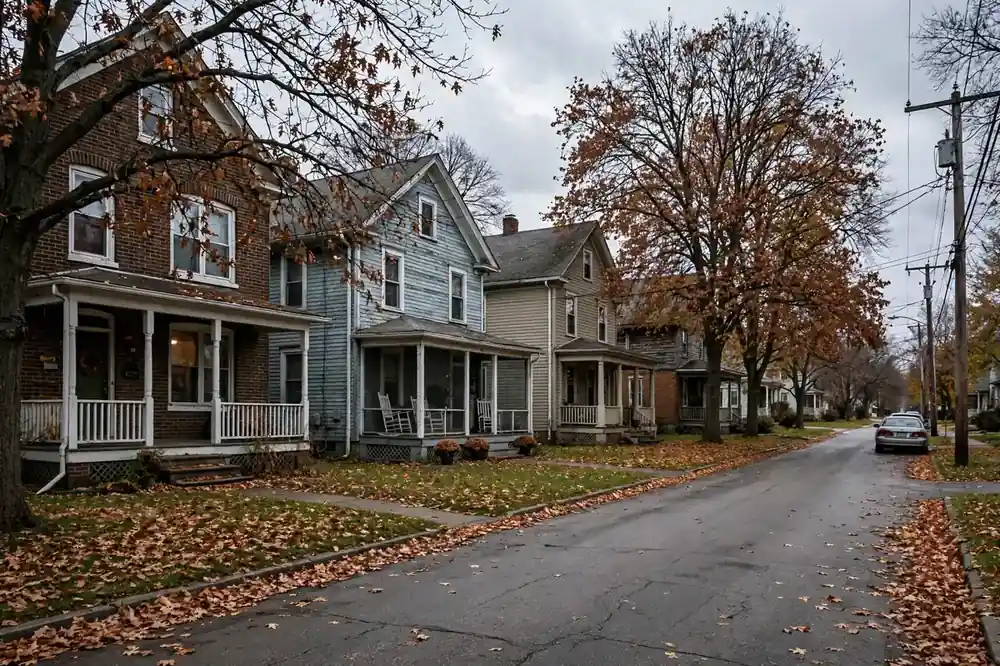
Basement Waterproofing in Youngstown, OH
Youngstown's basements have been fighting the same water for a century. The houses are old, the soil is clay, the river valley holds the water table high, and every spring the snowmelt tests every foundation in the city.
Talk to a local waterproofing professional
Describe what is happening in your basement and a local professional will assess the water path and the right fix.
Hours: Mon–Fri 7:00 AM–10:00 PM ET · Sat 8:00 AM–10:00 PM ET · Sun 7:00 AM–9:00 PM ET
Why Youngstown basements leak
Youngstown was built on the Mahoning River, in a valley that holds water. The city averages roughly 39 to 41 inches of precipitation a year, spread across all four seasons, with about 40 to 45 inches of snow on top of that. The snow does not drain away in winter. It sits, then melts in March and April while the ground is still frozen, which sends a large volume of water at foundations all at once. Summer brings a different pattern: short, heavy thunderstorms that drop an inch of rain in an hour onto soil that is already wet.
The housing stock makes the problem worse. Much of Youngstown was built between the 1920s and the 1960s, and the homes from that era have block foundations with exterior coatings that are long gone, and clay drain tile at the footing that has cracked and silted shut. A typical home in ZIP 44512 was built around 1960, and many homes on the South Side and the West Side are older still, dating from the 1920s and 1930s. Those foundations have had eighty or ninety years of freeze-thaw cycles, and the mortar has softened, the block faces have spalled, and the wall has become porous.
The soil is the third piece. The valley sits on clay-heavy soil that drains slowly and holds water against the foundation long after the rain stops. When the soil saturates, it presses against the wall, and the water enters at the cove joint, where the wall meets the floor, because that joint is the weakest point in the foundation. A Youngstown basement that wets up after every storm is a basement with a water problem, not a plumbing problem, and it needs a waterproofing system, not a patch.
Youngstown neighborhoods and their basements
The South Side has some of the oldest homes in the city, with block foundations from the 1920s and 1930s, and those basements are the wettest in Youngstown. The walls seep across their full length, the mortar is soft, and the exterior coating is gone. Those homes are the strongest candidates for a full system: an interior drain, a sump pump with a battery backup, and a wall membrane, because the water comes from below, from the joint and from the wall all at once.
The West Side, around the Mahoning River, sits lower and closer to the water table, so basements there wet up first after a thaw. The water table is highest near the river, and the pumps there run more often and for longer. Those homes usually need a larger basin and a higher-capacity pump, and a battery backup is close to essential, because the river-side streets are also the ones that lose power first in a storm.
The North Side, near Youngstown State University, mixes pre-war homes with post-war ranches, and the two eras leak in different places. The pre-war homes leak through the block wall, and the post-war homes leak at the cove joint. The East Side and the neighbourhoods around Smoky Hollow and Lansingville have a similar mix, and the inspection in those homes spends more time on the wall, because the block is older and more porous.
Idora, Cornersburg and Brownlee Woods, on the south and west edges of the city, have post-war homes on clay soil, and the common problem there is a leaking cove joint and a sump pump that has never been serviced. Those basements often improve dramatically with an interior drain and a properly sized pump, because the wall itself is usually sound.
Services available in Youngstown
Basement waterproofing is the core service in Youngstown, and it is the answer for most wet basements in the city. An interior drain system collects the water at the wall-floor joint, a sump pump sends it outside, and a wall membrane catches the seepage through the block. The three work together, and they are installed as a system, not as separate parts.
Sump pump installation and repair is the second most common job, because many Youngstown homes already have a sump pit but the pump has failed, the float is stuck, or the discharge is blocked. A pump that is properly sized, with a clear discharge and a battery backup, will handle the storms the city gets, including the fast summer downpours and the spring thaw.
Foundation waterproofing, from the outside, is the answer for a wall that is deteriorating. A block wall whose faces are flaking off, or whose mortar is soft and crumbling, needs an exterior membrane and a drainage board, because no interior coating will hold the wall together. The excavation lets the wall be repaired properly before it is sealed.
Crawl space waterproofing is the answer for the ranch homes and additions that have a crawl space instead of a full basement. Encapsulation, with a heavy vapour barrier, sealed vents and a dehumidifier, changes a damp, musty crawl space into a dry, clean space, and it stops the musty smell from rising into the house.
How a Youngstown waterproofing job works
Every job starts with an inspection of the basement and the outside of the house. The technician walks the perimeter inside, looking for the water path: the cove joint, cracks, window wells, the sump pit, and any place where the wall has been patched before. Outside, the check covers grading, gutters, downspouts, the driveway pitch and the soil line against the wall. The inspection usually takes less than an hour, and it decides everything that follows.
For an interior system, the next step is to open the floor along the wall where water enters. A narrow trench is cut in the slab, the drain channel and gravel bed are set at the footing, and the wall is covered with a drainage membrane. The channel connects to a sump basin, and the trench is re-concreted, leaving a clean, narrow slot where the floor meets the wall. Most full-perimeter jobs in a typical Youngstown basement take two to three days.
The sump pump is fitted, the discharge line is run outside and away from the house, and a check valve is fitted so water cannot run back into the pit. A battery backup pump is fitted beside the main pump where power cuts are a concern. The last step is testing: water is run into the channel, the pump cycles, and the discharge is watched outside to confirm the water is actually leaving the property.
Neighbourhoods in Youngstown
ZIP codes served in Youngstown: 44501, 44502, 44503, 44504, 44505, 44506, 44507, 44509, 44510, 44511, 44512, 44513, 44514, 44515
Waterproofing services in Youngstown
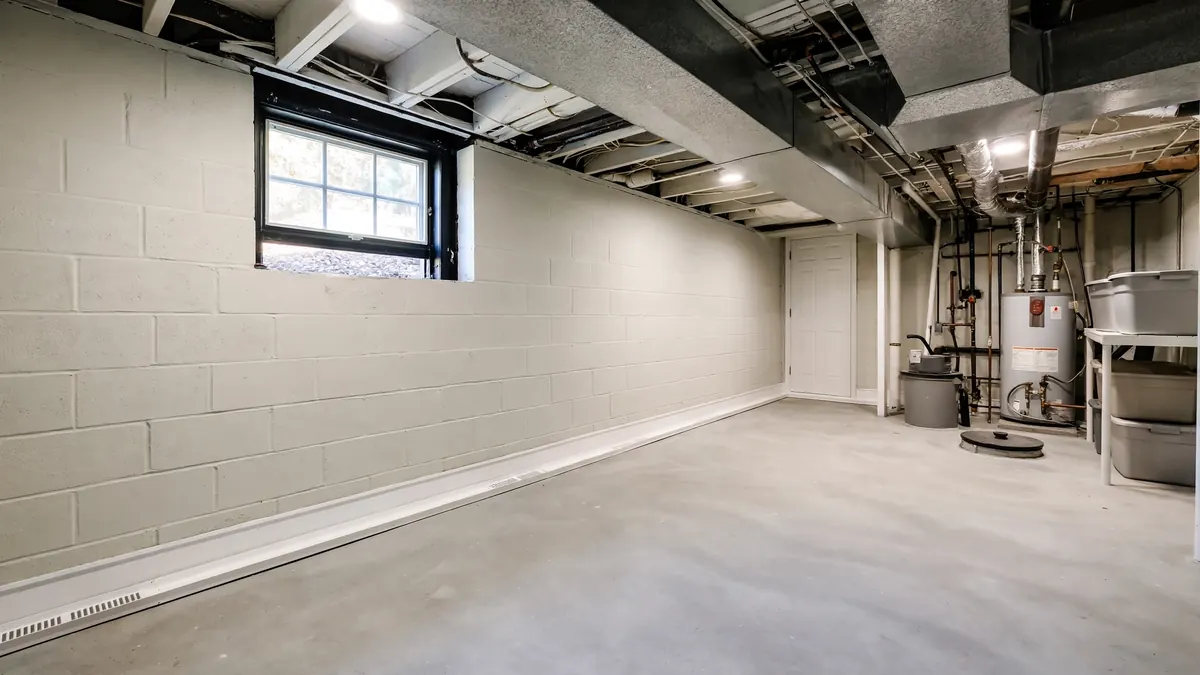 Basement Waterproofing
Basement waterproofing in Youngstown, OH for wet basements, wall leaks and seepage. Interior drains, sump pump
Learn more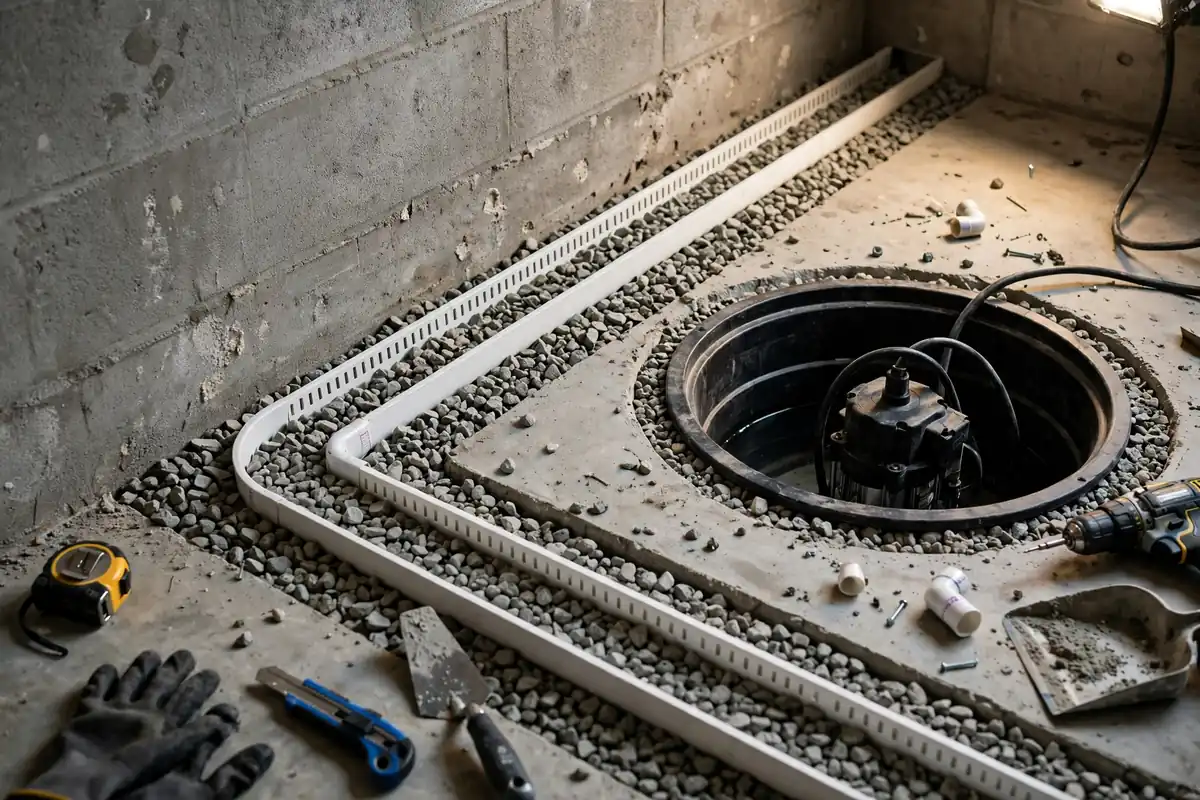 Interior Drain System
Interior drain systems in Youngstown, OH collect water at the wall-floor joint and send it to a sump pump. A p
Learn more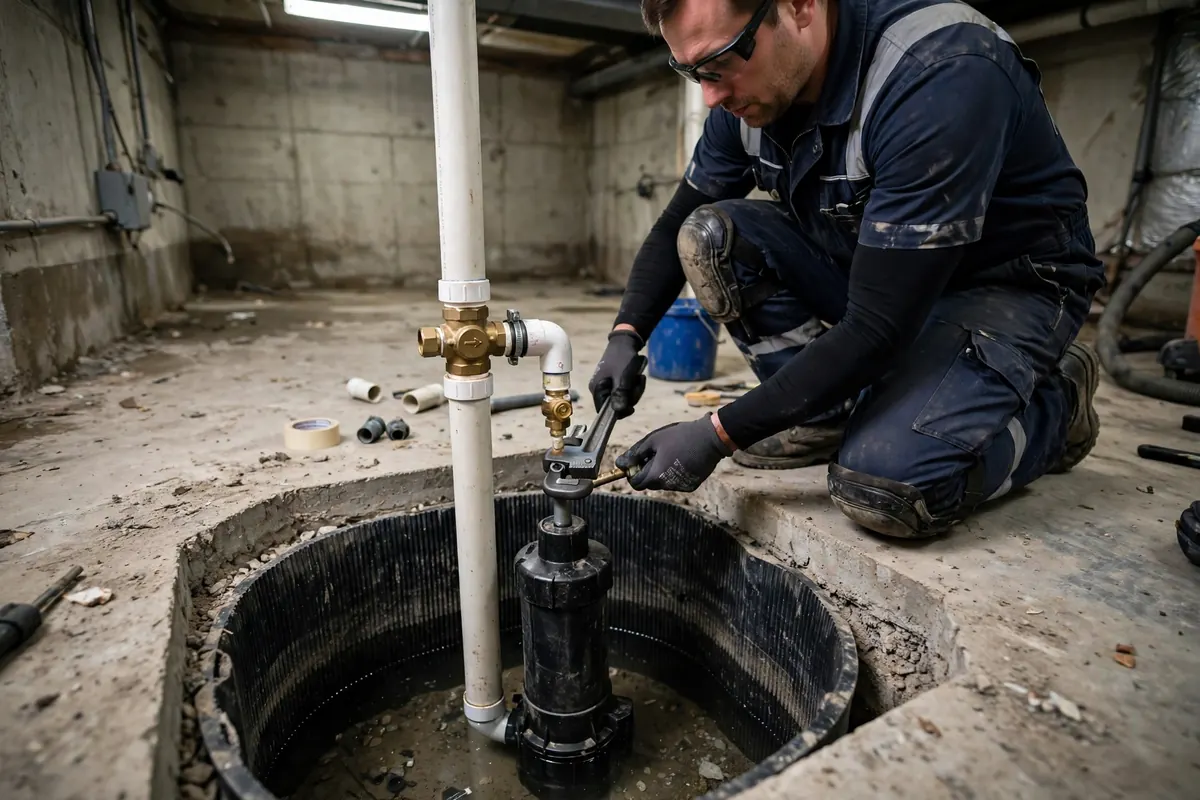 Sump Pump Installation
Sump pump installation in Youngstown, OH for basements that take on water. Submersible pumps, battery backup s
Learn more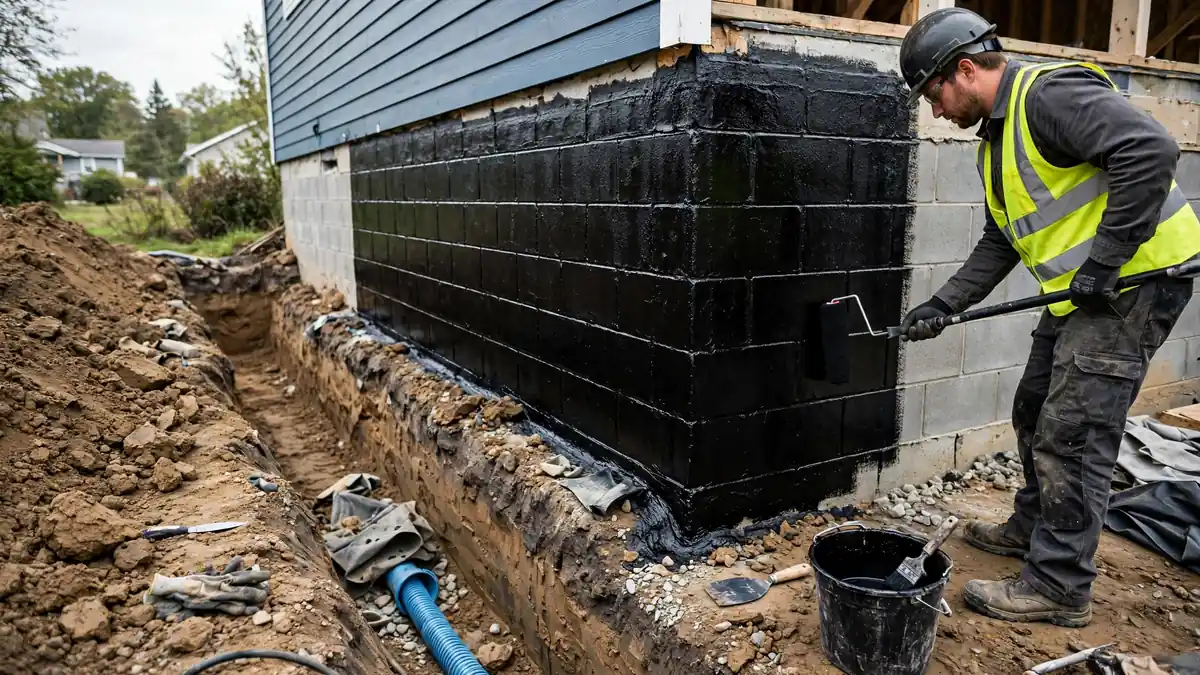 Foundation Waterproofing
Foundation waterproofing in Youngstown, OH: exterior membranes, drainage board and interior systems for block
Learn more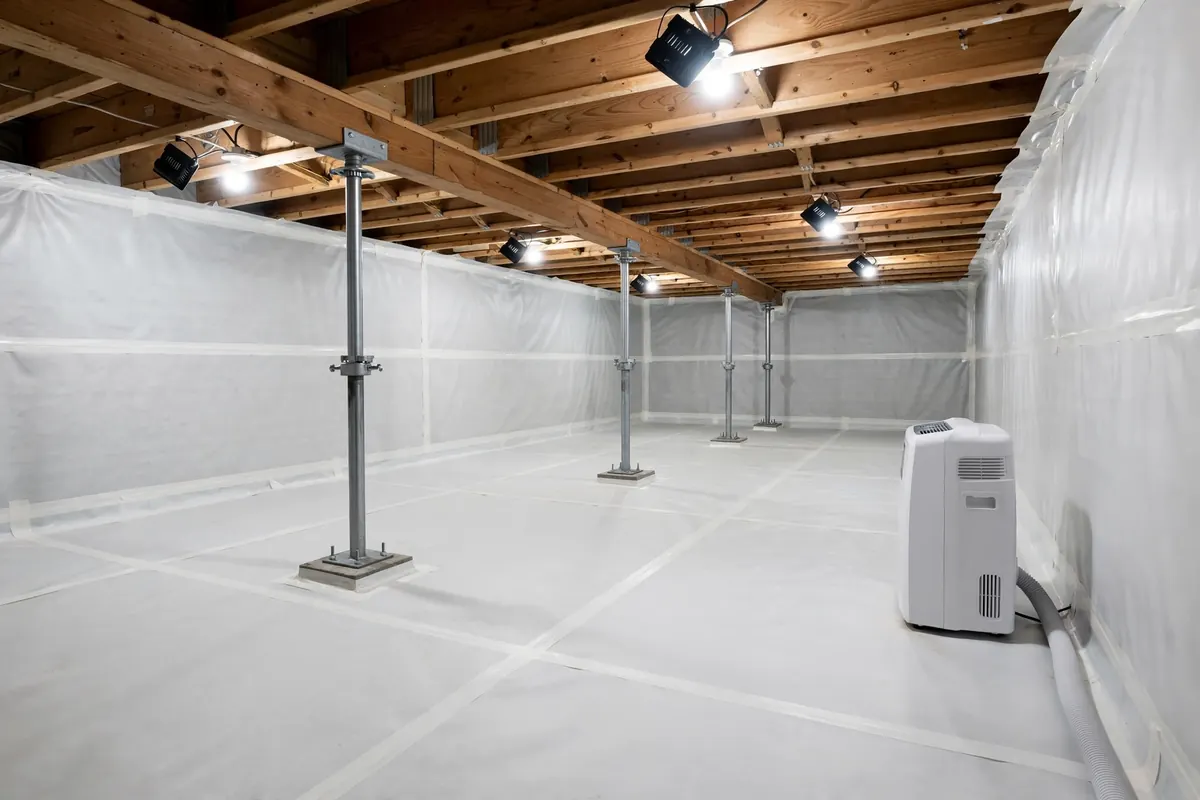 Crawl Space Waterproofing
Crawl space waterproofing in Youngstown, OH: encapsulation, vapor barriers, drainage and dehumidification for
Learn more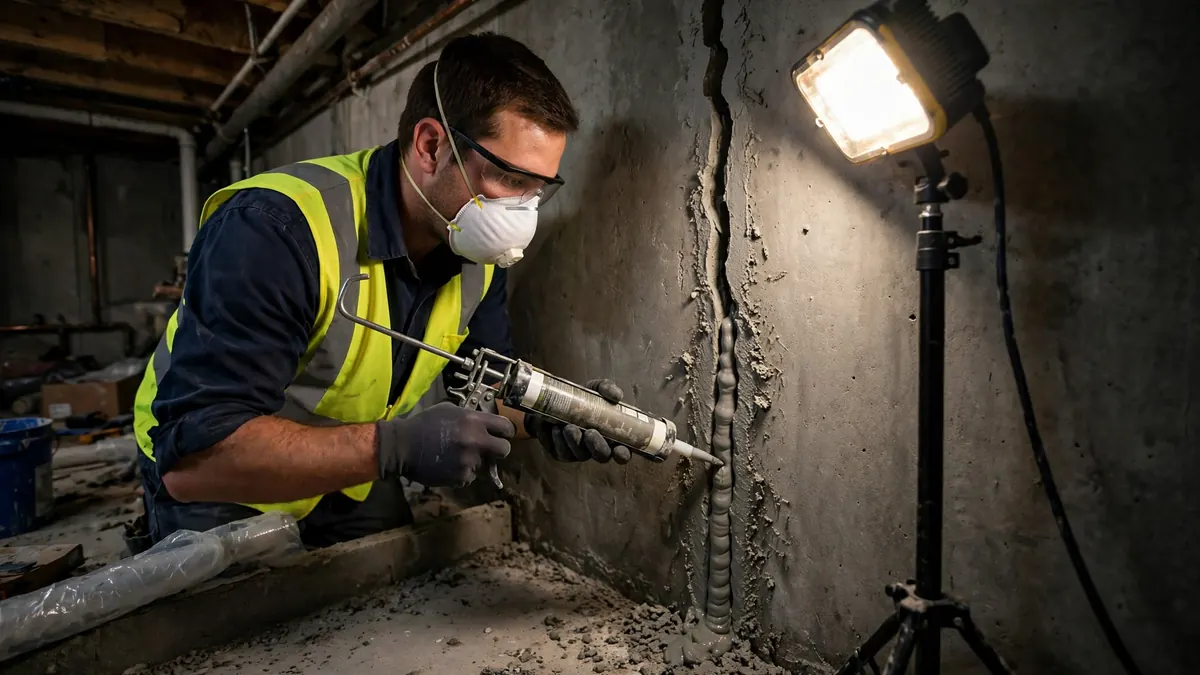 Basement Leak Repair
Basement leak repair in Youngstown, OH: find where the water enters and fix that path. Crack injection, joint
Learn moreAlso serving nearby towns
Questions, answered
The West Side, near the Mahoning River, has the highest water table and the wettest basements, because the ground is lowest there and the water table is highest. The South Side has the oldest foundations, with block walls from the 1920s and 1930s that are now porous and seeping. The North Side mixes pre-war and post-war homes, and the two eras leak in different places. The inspection in any Youngstown home looks at the water table, the wall and the grading, because the cause is different in each neighbourhood.
Most do. The water table in the Mahoning Valley is high, the soil is clay-heavy, and the spring thaw sends a large volume of water at foundations all at once. A basement without a working sump pump in Youngstown is a basement that will flood, sooner or later. A pump that is properly sized, with a clear discharge and a battery backup, is the standard protection for a Youngstown basement.
Because the snow melts while the ground is still frozen, and the water has nowhere to go but against the foundation. Youngstown gets about 40 to 45 inches of snow a year, and the spring thaw sends it all at the foundation in a few weeks. The water table rises fast, the cove joint leaks, and the sump pump has to work harder than at any other time of year. A basement that floods every spring needs a drain system and a pump that is sized for the spring volume, not for the summer average.
Groundwater appears after rain or a thaw, it comes through the wall joint or the wall itself, and it stops when the ground dries out. A plumbing leak appears regardless of the weather, it comes from a pipe or a fixture, and it does not stop. If the basement is wet only after rain, it is groundwater. If it is wet all the time, it may be plumbing, and that needs a different inspection.
The Youngstown service area covers the city and the surrounding Mahoning Valley, including ZIP codes 44501 through 44515, and the nearby towns of Boardman, Austintown, Canfield, Poland, Liberty, Girard and Niles. The service area is the Mahoning Valley, not just the city limits, because the water problem does not stop at the city line.
Yes, always. Finishing a basement before the water problem is fixed means the finished walls will hide the water until the damage is already done, and the repair will mean tearing out the finished work. Waterproof first, test through at least one wet season if possible, and only then finish. It is far simpler to waterproof an unfinished basement than to repair a finished one.
Basement wet in Youngstown?
Talk to a local waterproofing professional about what is happening in your basement.
Get in touch
Talk to a local waterproofing professional about your basement in Youngstown, OH.
Hours: Mon–Fri 7:00 AM–10:00 PM ET · Sat 8:00 AM–10:00 PM ET · Sun 7:00 AM–9:00 PM ET
What to have ready
- Where the water appears, and after what kind of weather
- Whether the basement has a sump pump, and whether it runs
- Photos of the wall, the floor joint, or the water itself