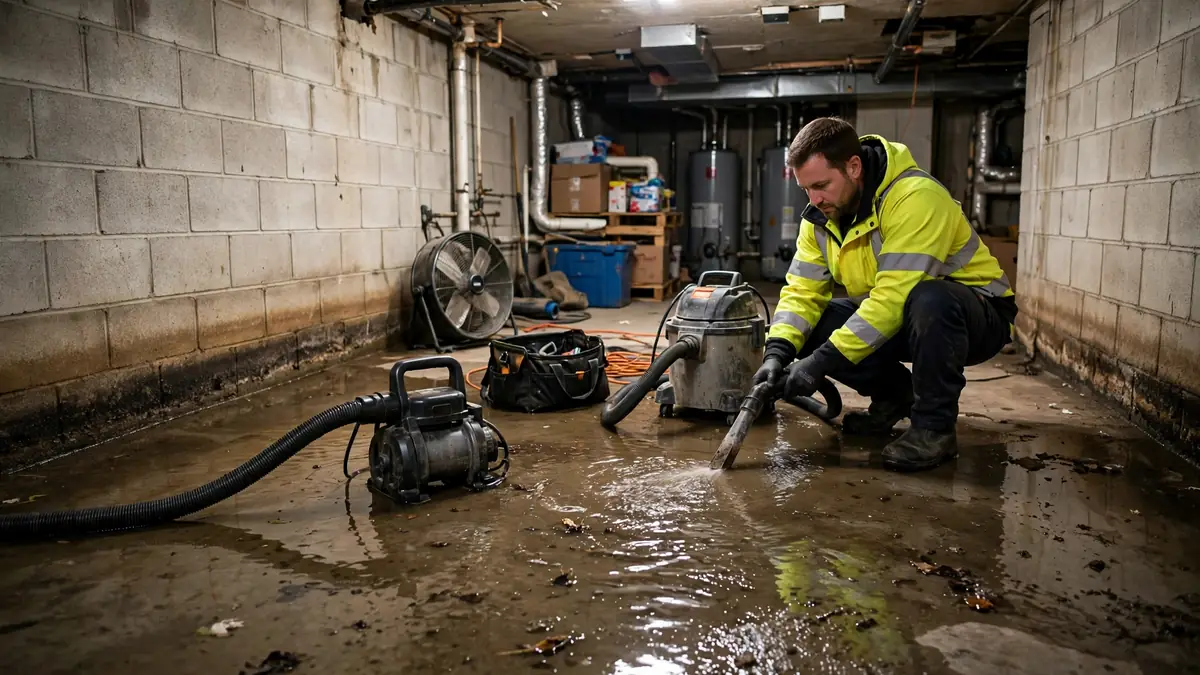
Emergency Basement Flooding in Youngstown, OH
When water is coming into a basement, the first hour matters more than the first week. What you do right now decides how much is damaged, and what you do next decides whether it happens again.
Talk to a local waterproofing professional
Describe what is happening in your basement and a local professional will assess the water path and the right fix.
Hours: Mon–Fri 7:00 AM–10:00 PM ET · Sat 8:00 AM–10:00 PM ET · Sun 7:00 AM–9:00 PM ET
What to do right now when the basement floods
The first step is safety. If the water is deep enough to reach electrical outlets, the furnace, or the electrical panel, do not walk through it. Electricity and standing water are a lethal combination. Turn off the power to the basement from the main panel, if you can reach it safely without walking through water, and call for help. If you cannot reach the panel safely, stay out of the water and wait.
The second step is to find the source, if you can do so safely. Is the water coming through the wall joint, through a crack, through a window, or up through a floor drain? Is it groundwater, or is it a broken pipe? A broken pipe can be stopped by shutting off the water at the main. Groundwater cannot be stopped, but it can be pumped, and the pump is the priority.
The third step is to get the water out. A working sump pump is the right tool, and if it is running, let it run. If the pump has failed, or if there is no pump, a portable pump or a wet vacuum will move the water. The goal is to get the water level down before it reaches the furnace, the water heater, or stored belongings that cannot be replaced.
The fourth step is to move what can be saved. Anything on the floor that can be lifted, lifted. Cardboard boxes, fabric, paper and electronics are the first to go. Do not move anything heavy through standing water, and do not try to save anything that is already soaked through and cannot be dried. The priority is people and safety, then the equipment that keeps the house running.
What not to do during a flood
Do not walk through water that may be electrified. Do not touch the furnace, the water heater or the electrical panel while standing in water. Do not use a household vacuum, which is not designed for water and can electrocute. Do not open the sump pit and reach in while the pump is powered.
Do not assume the water is clean. Basement flood water can be groundwater, but it can also be sewage from a backed-up floor drain, and the two look alike. If the water smells of sewage, or if it is coming up through a floor drain, treat it as contaminated, keep skin contact to a minimum, and do not use a pump that will spray it around the room.
Do not seal the leak while the water is still coming in. Hydraulic cement and sealants will not hold against flowing water, and they will hide the path the water is taking. The priority during a flood is removal, not repair. The repair comes after the water is out and the path is visible.
Do not wait for the basement to dry on its own. Standing water that sits for more than a day or two starts mould growth, and mould in a basement spreads to the rest of the house through the air. The water needs to be removed, the basement needs to be dried, and the drying needs to start within a day if possible.
Why Youngstown basements flood
The most common cause in the valley is a heavy rain or a rapid thaw that overwhelms the water table. The clay soil saturates, the water table rises, and the water enters at the cove joint faster than the sump pump can remove it. A pump that is undersized, or a discharge line that is blocked or frozen, turns a wet basement into a flooded one.
The second most common cause is a failed sump pump. The pump seizes, the float sticks, or the power goes out during the storm, and the pit fills and overflows. A basement with no battery backup is a basement with no protection during a power cut, and Youngstown storms knock out power regularly.
The third cause is a sewer backup. During a heavy storm, the municipal sewer can surcharge, and water comes up through the floor drain. A floor drain backup is a different problem from groundwater, and it needs a backwater valve, not a sump pump. If the water is coming up through the drain, the sump pump will not help, because the water is not coming from the ground.
The fourth cause is a broken pipe. A burst water line, a failed water heater, or a washing machine hose that lets go can put inches of water on a basement floor in an hour. That water is clean, but it is still damaging, and the first step is to shut off the water at the main.
After the water is out: drying and cleanup
Once the water is removed, the basement needs to be dried. Open the windows if the weather allows, run fans, and run a dehumidifier. The dehumidifier should be drained to the sump pit or outside, so it can run continuously. The goal is to get the humidity down and keep it down until the walls and the floor are dry to the touch.
Anything that was soaked and cannot be dried should be removed. Cardboard, fabric, paper and insulation that has been wet for more than a day or two will grow mould, and it should go. Hard surfaces can be cleaned and dried. Wood that is wet should be allowed to dry slowly, because rapid drying can crack it.
The furnace, the water heater and the electrical panel should be checked before they are used again. If any of them were under water, they need a professional inspection, because water damage to electrical and gas equipment is not always visible, and using damaged equipment is dangerous.
The last step is to find the cause and fix it, before the next storm. A basement that flooded once will flood again, because the water path is still there. The repair is a waterproofing system, a pump replacement, a battery backup, or a backwater valve, depending on what the inspection finds.
Stopping the next flood
The most effective step is a working sump pump with a battery backup. The pump removes the water, and the backup keeps it running when the power fails. A pump that is properly sized, with a clear discharge line and a working check valve, will handle the storms Youngstown gets, including the fast summer downpours and the spring thaw.
An interior drain system is the next step, if the basement does not already have one. The drain collects the water at the wall joint and sends it to the pump, so the pump is not waiting for the water to find its way across the floor. A pump without a drain can only remove the water that reaches the pit. A pump with a drain removes the water from the whole basement.
A water alarm in the sump pit is a small device that makes a big difference. It sounds when the water in the pit rises above the normal level, which means the pump has failed or the power is out. An alarm that is heard in time can save a basement, because the homeowner can act before the water reaches the floor.
Grading and gutter work reduce the amount of water that reaches the foundation, and they make every other part of the system work better. A downspout that discharges ten feet from the house, and a lot that slopes away from the foundation, will keep a surprising amount of water out of the basement on their own.
Emergency flooding in the Mahoning Valley towns
Youngstown's West Side and the streets near the Mahoning River flood first, because the water table is highest there and the homes are oldest. Those basements need the full system: a drain, a high-capacity pump, and a battery backup, because the water arrives fast and the power goes out early.
Boardman's flat lots flood differently. The water does not come from a high water table so much as from surface water that cannot drain away, and the basements fill from the joint and the window wells. Those homes benefit most from a drain system plus grading and downspout work, because the surface water is the main source.
Austintown and Canfield flood in spring, when the snow melts and the ground is frozen. The water table rises fast and stays high for weeks, and a pump that is undersized will be overwhelmed. Those homes need a pump that is sized for the spring volume, not for the summer average.
Insurance, records and the weeks after a flood
After a flood, keep a record of what happened: when the water appeared, where it entered, how deep it got, and what was damaged. Photograph the water, the damage, and the source, if it is visible. The record is useful for the insurer, and it is useful for the inspection, because a dry wall tells the inspector nothing, and a record tells the inspector what the water did.
Contact the insurer, and ask what the policy covers. Groundwater flooding, sewer backup and a broken pipe are usually treated differently, and many policies treat them differently. The answer is a question for the insurer, not for a waterproofing company, but the record will help, because the insurer will want to know the cause, the extent, and the timing.
In the weeks after a flood, watch for mould. Mould grows within a day or two in a damp basement, and it spreads to the rest of the house through the air. Anything that was soaked and cannot be dried should be removed, and the basement should be dried with a dehumidifier until the walls and the floor are dry to the touch. A basement that looks dry but smells musty is a basement that is still damp, and it needs more drying.
Plan the repair before the next storm. A basement that flooded once will flood again, because the water path is still there, and the next storm in Youngstown is never far away. The repair is a waterproofing system, a pump replacement, a battery backup, or a backwater valve, depending on what the inspection finds, and the right time to fix it is now, while the cause is still visible.
What the inspection finds after a flood
After a flood, the inspection is the most important step, because it decides whether the basement floods again. The inspector walks the basement while the water path is still visible, or while the stains and the tide lines are still fresh, and maps where the water entered: the cove joint, a crack, a window well, a floor drain, or the floor slab itself.
The outside is checked next. The grading, the gutters, the downspouts and the soil line against the wall are all part of the flood, because they decide how much water reaches the foundation. A flood that is fixed from the inside while the outside still funnels water at the wall will come back, because the pressure behind the repair never goes away.
The sump pit is checked for water level, for silt, and for whether the pump runs. A pit that is full while the floor is wet means the pump has failed or the discharge is blocked. A pit that is dry while the floor is wet means the water is entering somewhere the pit cannot reach, and a drain channel is needed to connect the two.
The inspection ends with a plan that lists each water path and the fix for it. A plan that lists one path is a plan for a leak. A plan that lists all of them is a plan for a dry basement, and a dry basement is a basement that will not flood again.
What a proper job looks like
Water path found first
The inspection traces the water to its entry point, so the fix matches the cause.
Pressure relieved, not fought
A drain channel gives water a better path than your floor. Paint and sealant fight pressure and lose.
Pump sized to the house
The pump is sized to the water volume and the lift, with a battery backup for power cuts.
Tested before handover
Water is run into the channel, the pump cycles, and the discharge is checked outside.
From inspection to a dry basement
Inspection
Walk the basement and the outside of the house to find where the water enters, what the wall is made of, and where the water table sits.
Plan
Match the system to the house: drain channel, wall membrane, sump pump, discharge, and battery backup where power cuts are a concern.
Install
Cut the trench, lay the channel and gravel, fit the membrane and the pump, and run the discharge away from the house.
Restore
Re-pour the concrete flush with the floor, clean the work area, and leave the basement usable again.
Test
Run water into the channel, watch the pump cycle, and confirm the discharge flows away from the property.
More waterproofing services
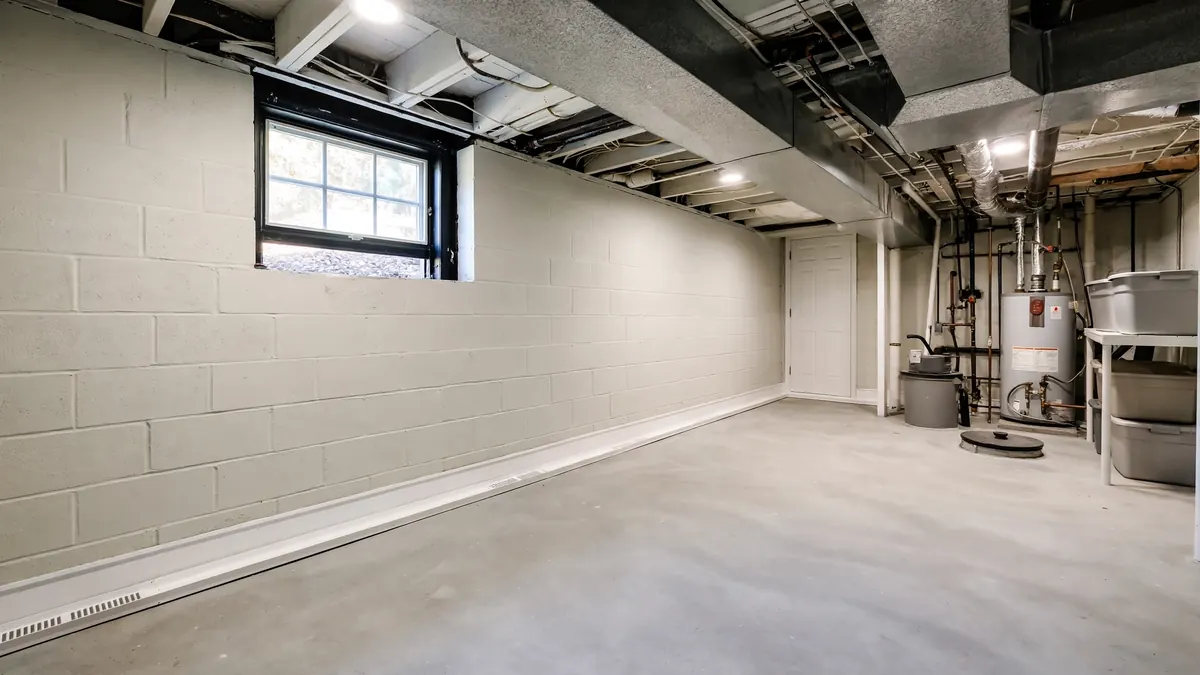 Basement Waterproofing
Basement waterproofing in Youngstown, OH for wet basements, wall leaks and seepage. Interior drains, sump pumps and foun
Learn more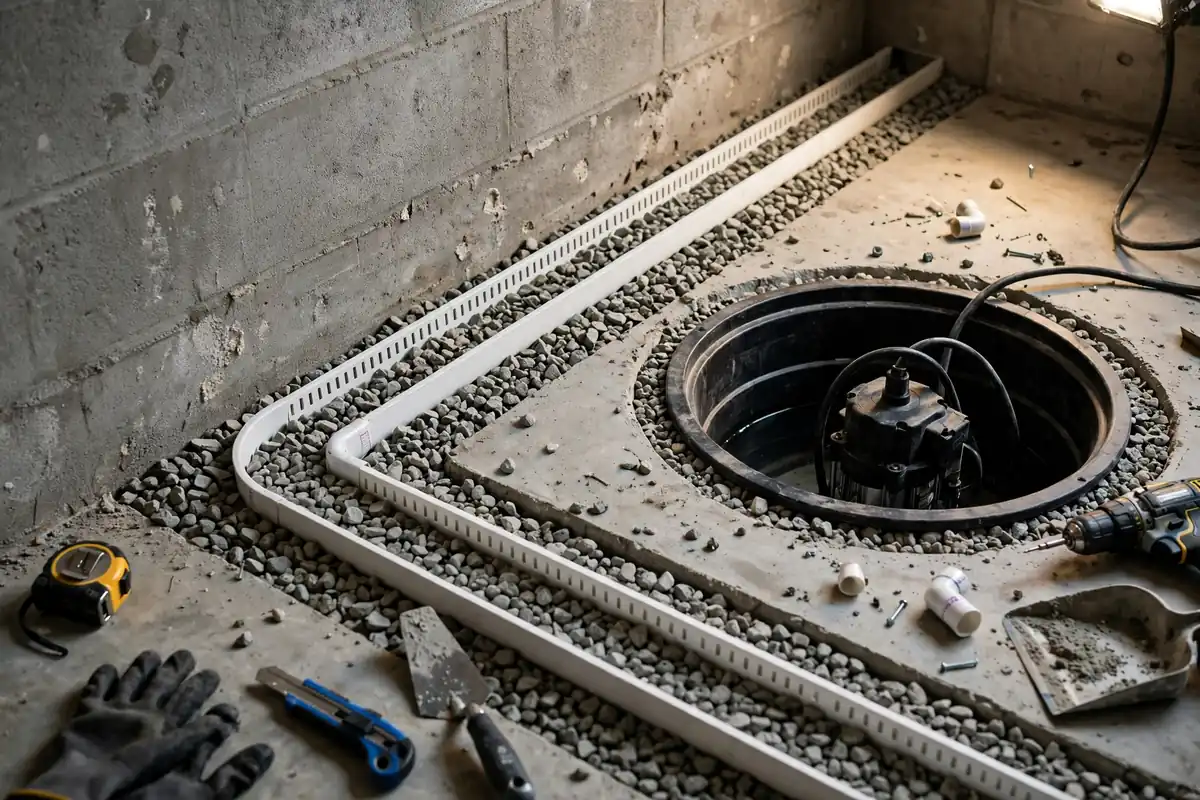 Interior Drain System
Interior drain systems in Youngstown, OH collect water at the wall-floor joint and send it to a sump pump. A proven fix
Learn more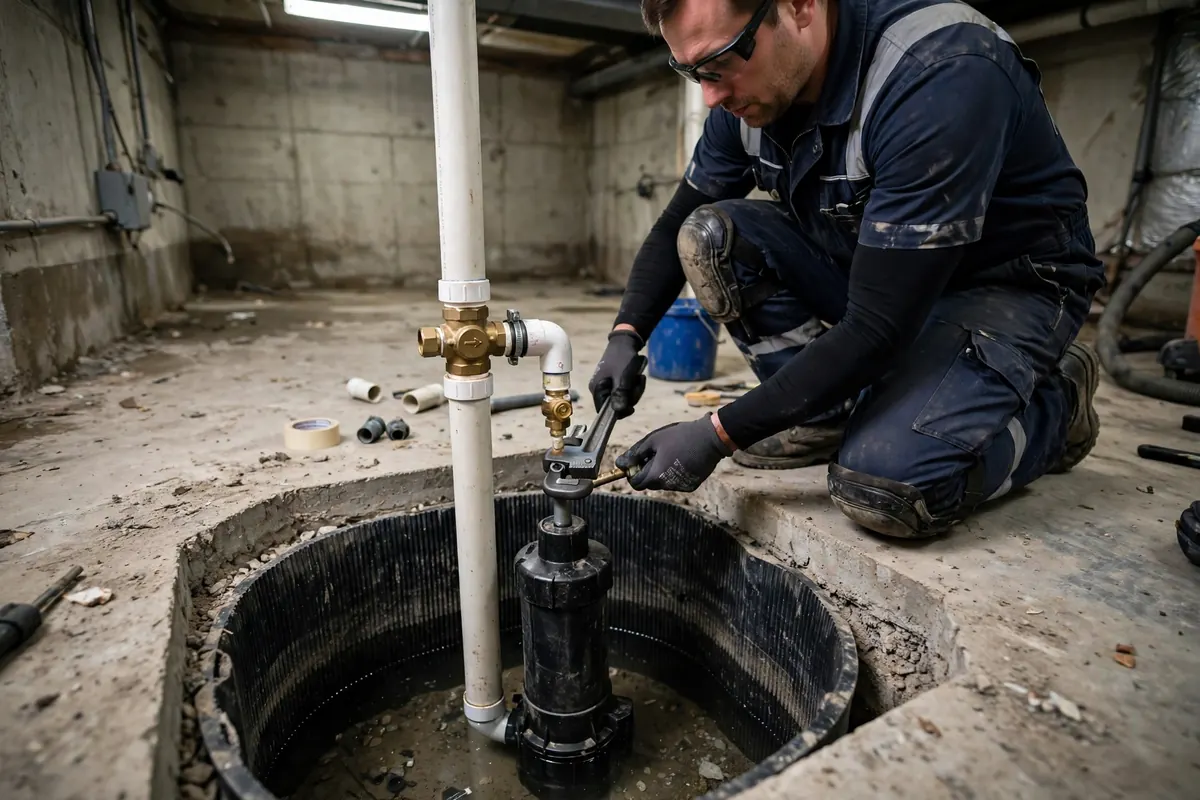 Sump Pump Installation
Sump pump installation in Youngstown, OH for basements that take on water. Submersible pumps, battery backup systems and
Learn more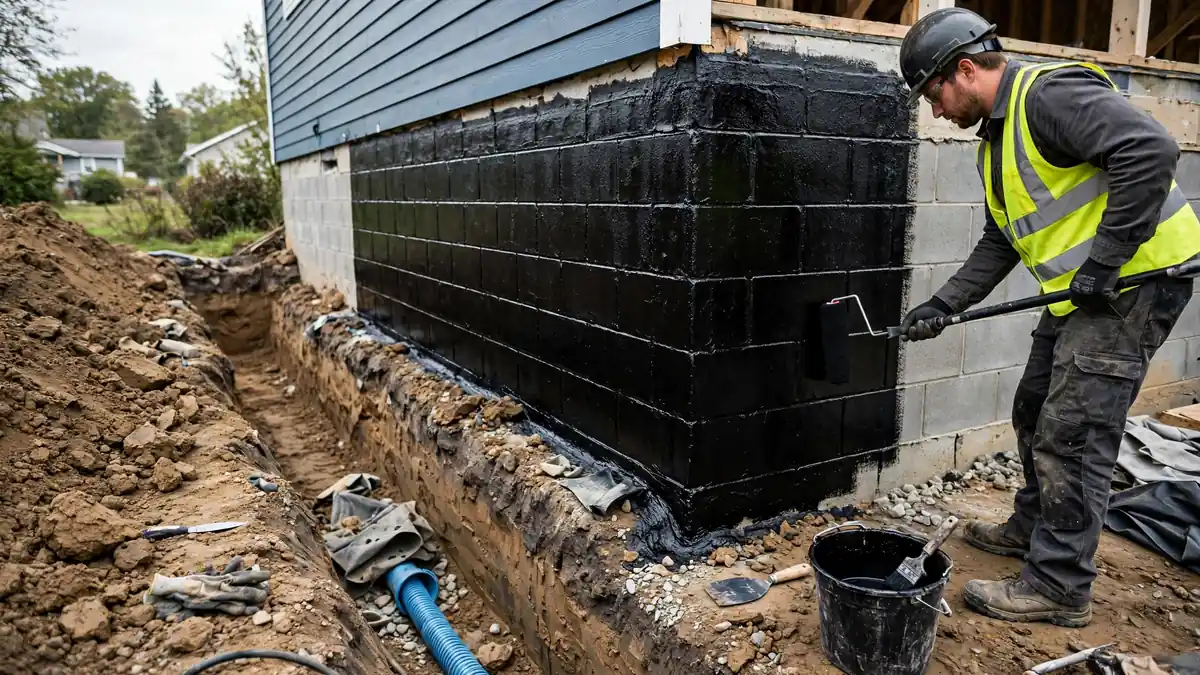 Foundation Waterproofing
Foundation waterproofing in Youngstown, OH: exterior membranes, drainage board and interior systems for block and poured
Learn more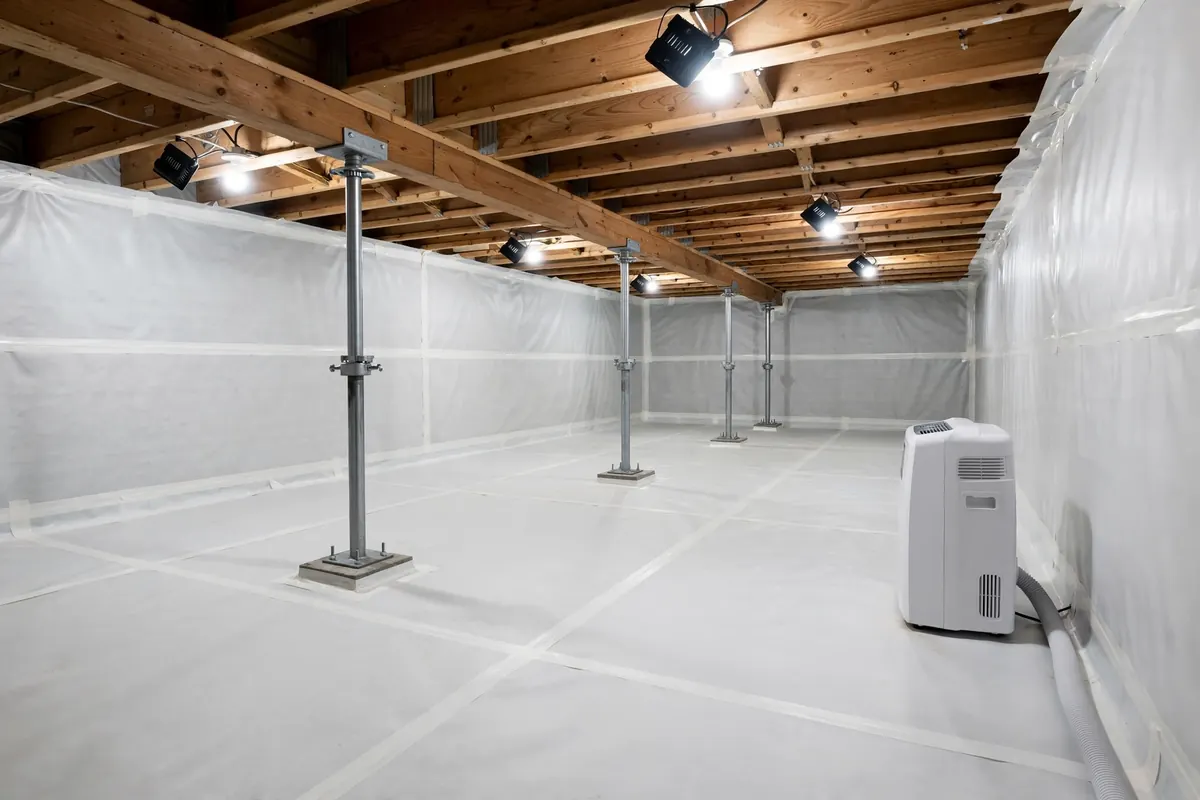 Crawl Space Waterproofing
Crawl space waterproofing in Youngstown, OH: encapsulation, vapor barriers, drainage and dehumidification for damp crawl
Learn more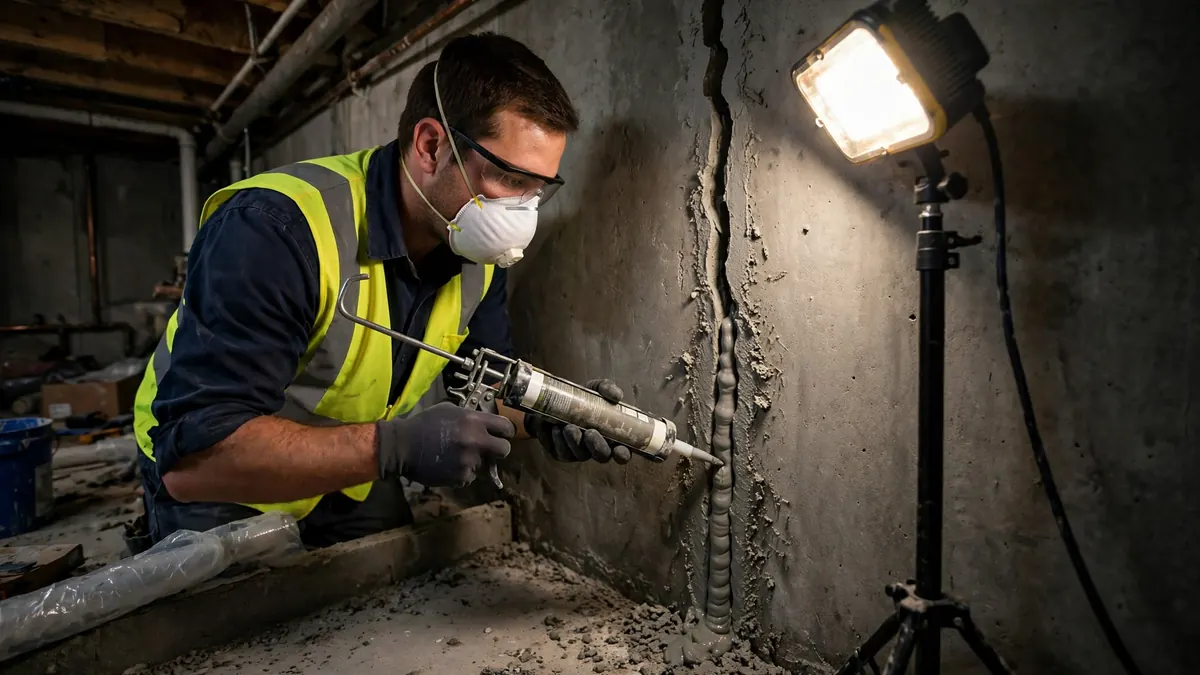 Basement Leak Repair
Basement leak repair in Youngstown, OH: find where the water enters and fix that path. Crack injection, joint sealing an
Learn moreQuestions, answered
Stay safe first. If the water reaches electrical outlets, the furnace or the panel, do not walk through it, and turn off the power from the main panel if you can reach it safely. Then find the source if you can, move what can be saved, and get the water out with the sump pump, a portable pump or a wet vacuum. The repair comes after the water is out and the path is visible.
It can be. Water that reaches electrical equipment can electrocute, and water coming up through a floor drain may be sewage, which is contaminated. Treat any flood water with caution, keep skin contact to a minimum, and do not use a household vacuum on it. If the water smells of sewage, or if it is coming up through a drain, it needs to be treated as contaminated.
Because the water was coming in faster than the pump could remove it, or because the discharge line was blocked or frozen, or because the water was not coming from the ground at all. A pump that is undersized, a discharge that ends at the foundation, or a sewer backup that comes up through the floor drain will all flood a basement while the pump runs. The inspection will tell you which one it was.
Within a day or two, in a damp basement. Mould needs moisture and organic material, and a flooded basement has both. The water should be removed and the drying started within a day if possible, and anything that was soaked and cannot be dried should be removed. A basement that stays wet for a week will have a mould problem that is far more expensive to deal with than the flood itself.
It depends on the cause and the policy, and that is a question for the insurer, not for a waterproofing company. Groundwater flooding, sewer backup and a broken pipe are usually treated differently, and many policies treat them differently. What matters for the house is that the cause is found and fixed, whatever the insurance position, because a basement that flooded once will flood again.
If your basement has ever taken on water during a power cut, yes. Youngstown storms knock out power, and the heaviest rain often arrives with the outage. A battery backup pump takes over automatically when the power fails, and it will keep pumping for hours. Without it, a power cut during a storm leaves the basement with no protection at all.
Find the cause and fix it. If the pump failed, replace it and add a battery backup. If the water came in faster than the pump could handle, add an interior drain and a larger pump. If the water came up through the floor drain, fit a backwater valve. If the water came through the wall joint, install a drain channel. A basement that flooded once will flood again unless the path is closed.
During, if the water is rising and you cannot control it, because a professional with a portable pump can get the water out faster than a wet vacuum. After, for the inspection and the repair, because the cause has to be found while the water path is still visible. The worst time to wait is the days after the flood, when the basement looks dry but the mould is already growing.
Talk to a local waterproofing professional
Describe what is happening in your basement and a local professional will assess the water path and the right fix.
Get in touch
Talk to a local waterproofing professional about your basement.
Hours: Mon–Fri 7:00 AM–10:00 PM ET · Sat 8:00 AM–10:00 PM ET · Sun 7:00 AM–9:00 PM ET
What to have ready
- Where the water appears, and after what kind of weather
- Whether the basement has a sump pump, and whether it runs
- Photos of the wall, the floor joint, or the water itself