Basement Waterproofing for Older Homes in Youngstown, OH
An older home in Youngstown is not a problem to be solved. It is a house that was built well, with materials that have lasted a century, and a foundation that needs the protection it never had.
Talk to a local waterproofing professional
Describe what is happening in your basement and a local professional will assess the water path and the right fix.
Hours: Mon–Fri 7:00 AM–10:00 PM ET · Sat 8:00 AM–10:00 PM ET · Sun 7:00 AM–9:00 PM ET
What makes an older home different
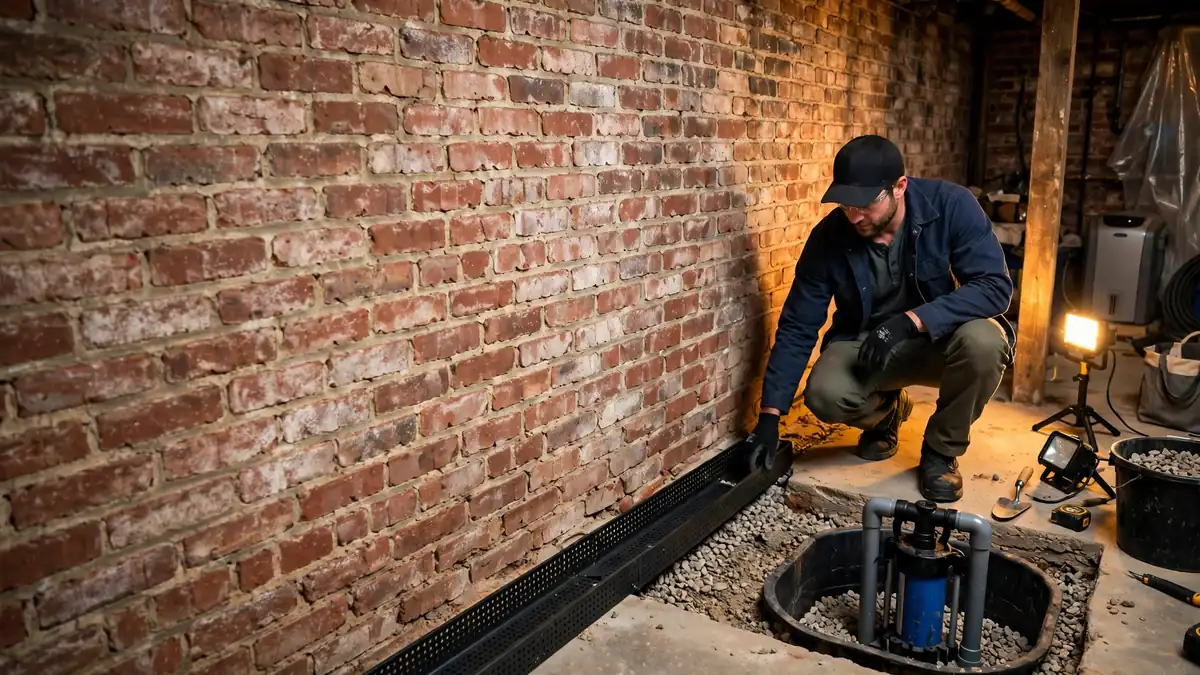
An older home in Youngstown, built before 1970 and often before 1940, has a foundation that is different from a newer home in almost every way that matters. The wall is usually concrete block, and sometimes stone, and the mortar is softer than modern mortar. The exterior coating, a thin tar layer applied when the house was built, is long gone. The drain tile at the footing, if it was ever installed, was clay pipe, which has cracked and silted shut. The wall has had decades of freeze-thaw cycles, and the block faces have spalled, the mortar has receded, and the wall has become porous.
The house itself is different too. The basement is often the full footprint of the house, with a low ceiling and a floor slab that was poured inside the wall, leaving a cove joint that is the weakest point in the foundation. The plumbing, the electrical and the heating all run through the basement, and they are all vulnerable to water. A wet basement in an older home is not just an inconvenience. It is a threat to the house itself.
The good news is that an older home can be waterproofed well, and the waterproofing will last. The wall is thick, the footing is deep, and the structure is sound. What the house needs is a system that matches its age: a membrane that bridges the mortar joints, a drain that collects the water at the joint, and a pump that sends it outside. The system is the same as for a newer home, but the assessment is more careful, because the wall has to be understood before it is sealed.
Common problems in older Youngstown homes
Seepage through the block wall is the most common problem in an older home. The water moves through the mortar joints and the block cores, and it appears on the inside face as damp patches, efflorescence, or a slow seep that never quite forms a puddle. A wall that is wet through its full thickness is a wall that needs a membrane, inside or outside, to catch or stop the seepage.
A leaking cove joint is the second most common problem. The joint where the wall meets the floor is the weakest point in the foundation, and it leaks after every sustained rain. The fix is an interior drain channel that collects the water at the joint and sends it to a sump pump.
A deteriorating wall is the most serious problem. A block wall whose faces are flaking off, or whose mortar is soft and crumbling, needs exterior protection, because no interior coating will hold the wall together. The wall has to be repaired and sealed from the outside, and the excavation lets the wall be assessed properly before it is sealed.
A stone foundation, found in the oldest Youngstown homes, needs a specialist assessment. A stone foundation is irregular, the mortar is soft, and the wall moves with the seasons. It needs repointing, a flexible membrane, and a drainage system that can handle the uneven surface. It can be waterproofed, but it should not be attempted with a method designed for block.
How older homes are waterproofed
Every job starts with an inspection that looks at the wall as a structure first and as a waterproofing problem second. The wall is checked for bowing, for horizontal cracking, for spalling and for soft mortar. A wall that is moving or failing needs a structural assessment before any waterproofing begins, because a seal applied to a moving wall will not hold.
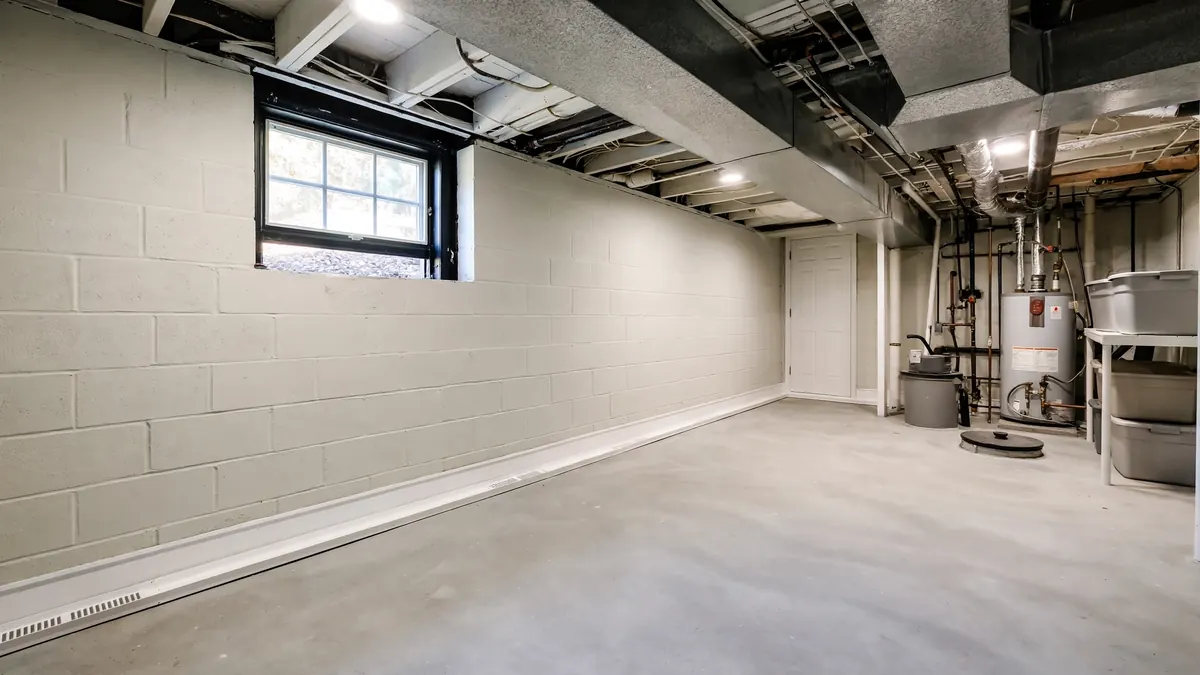
For a sound wall that is wet, the usual answer is an interior system: a drain channel along the wall-floor joint, a wall membrane that catches the seepage, and a sump pump that sends the water outside. The system is installed from the inside, so there is no excavation, and it can be done year-round.
For a deteriorating wall, the answer is exterior work: the wall is excavated, repaired, sealed with a membrane and a drainage board, and the drain tile at the footing is replaced. The work is heavier, but it is the only method that protects the wall itself, and for a wall that is failing, it is the only method that will last.
The two methods are often combined. An exterior membrane on the worst wall, where the damage is concentrated, plus an interior drain around the whole perimeter, gives an older home both kinds of protection. The inspection decides the mix, and the mix is different for every house.
Preserving an older home
Waterproofing an older home is not about changing the house. It is about protecting it. The work is done carefully, the original materials are preserved where they are sound, and the system is designed to work with the house, not against it. A block wall that is repointed properly will hold for decades. A stone foundation that is sealed with a flexible membrane will stay dry without being rebuilt.
The basement of an older home is often the most useful space in the house, and keeping it dry makes the whole house more livable. A dry basement means a dry furnace, a dry water heater, and a dry electrical panel. It means stored belongings stay dry and the air stays dry enough that mould does not take hold. It means the house will last longer, because the foundation is no longer being damaged by water.
What a proper job looks like
Water path found first
The inspection traces the water to its entry point, so the fix matches the cause.
Pressure relieved, not fought
A drain channel gives water a better path than your floor. Paint and sealant fight pressure and lose.
Pump sized to the house
The pump is sized to the water volume and the lift, with a battery backup for power cuts.
Tested before handover
Water is run into the channel, the pump cycles, and the discharge is checked outside.
From inspection to a dry basement
Inspection
Walk the basement and the outside of the house to find where the water enters, what the wall is made of, and where the water table sits.
Plan
Match the system to the house: drain channel, wall membrane, sump pump, discharge, and battery backup where power cuts are a concern.
Install
Cut the trench, lay the channel and gravel, fit the membrane and the pump, and run the discharge away from the house.
Restore
Re-pour the concrete flush with the floor, clean the work area, and leave the basement usable again.
Test
Run water into the channel, watch the pump cycle, and confirm the discharge flows away from the property.
Services for Older Homes
 Basement Waterproofing
Basement waterproofing in Youngstown, OH for wet basements, wall leaks and seepage. Interior drains, sump pump
Learn more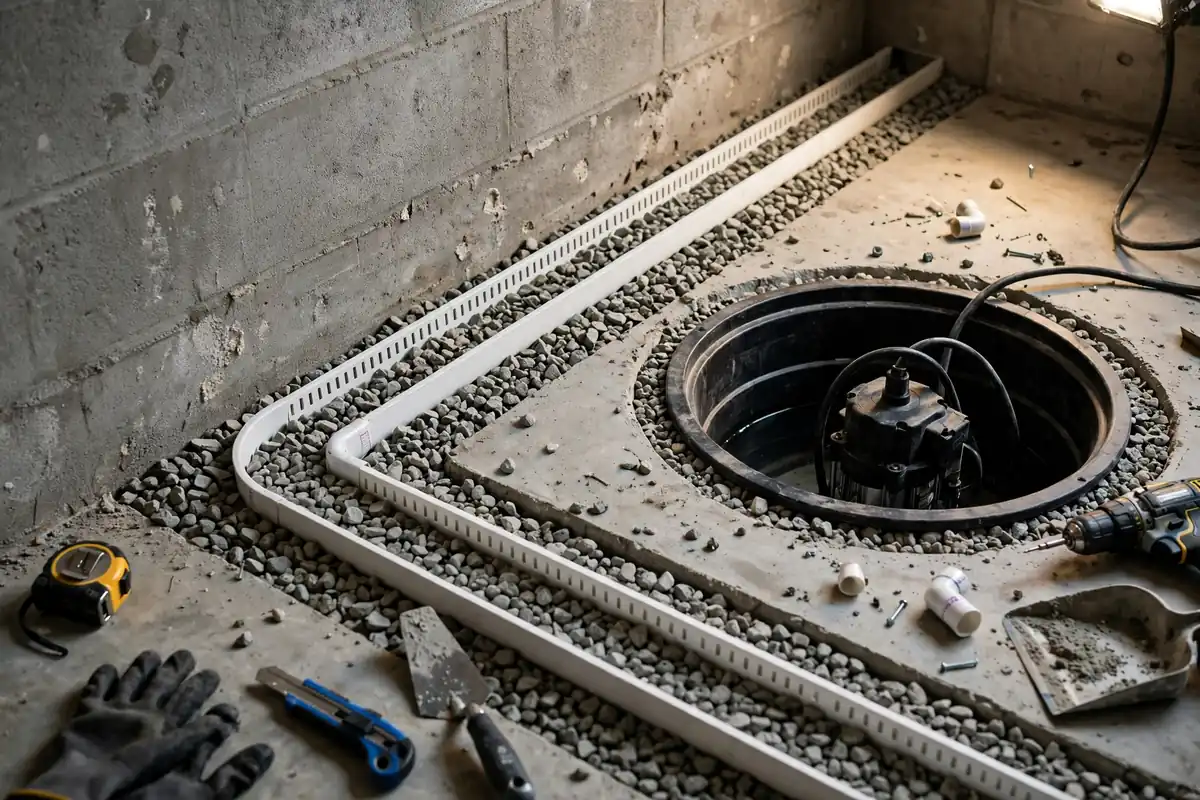 Interior Drain System
Interior drain systems in Youngstown, OH collect water at the wall-floor joint and send it to a sump pump. A p
Learn more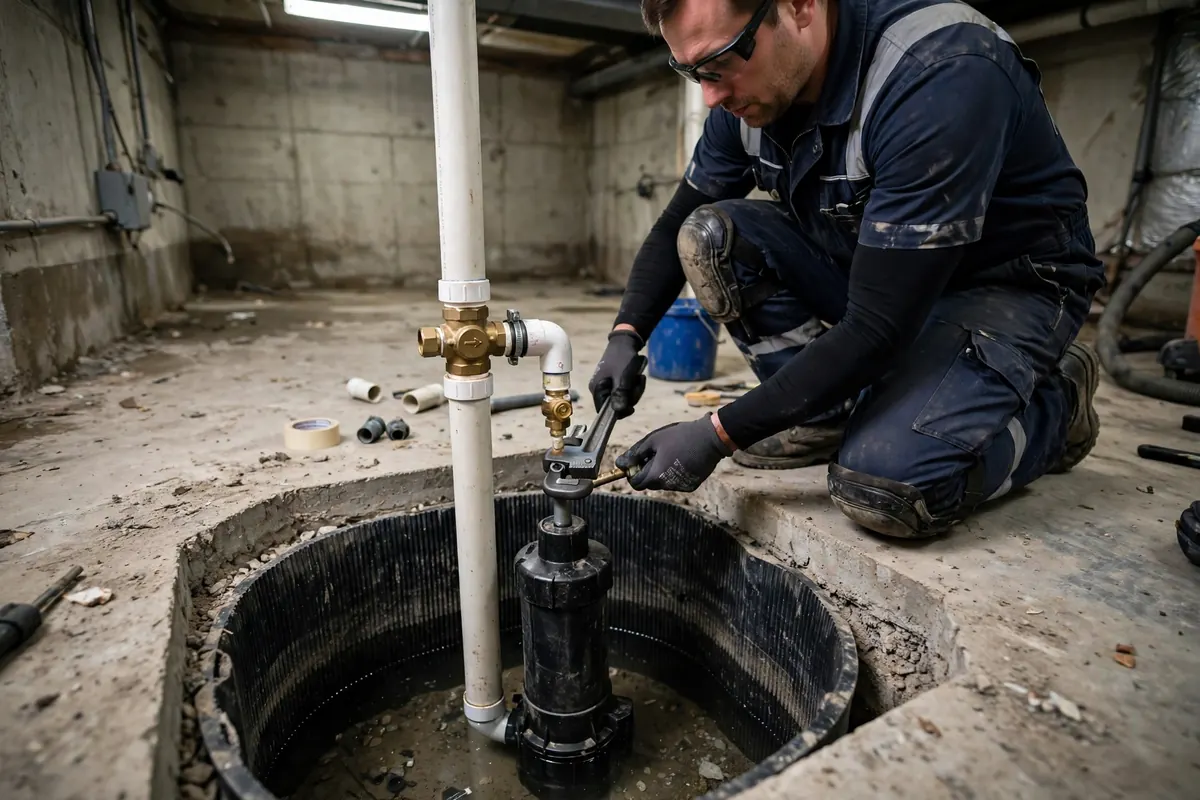 Sump Pump Installation
Sump pump installation in Youngstown, OH for basements that take on water. Submersible pumps, battery backup s
Learn more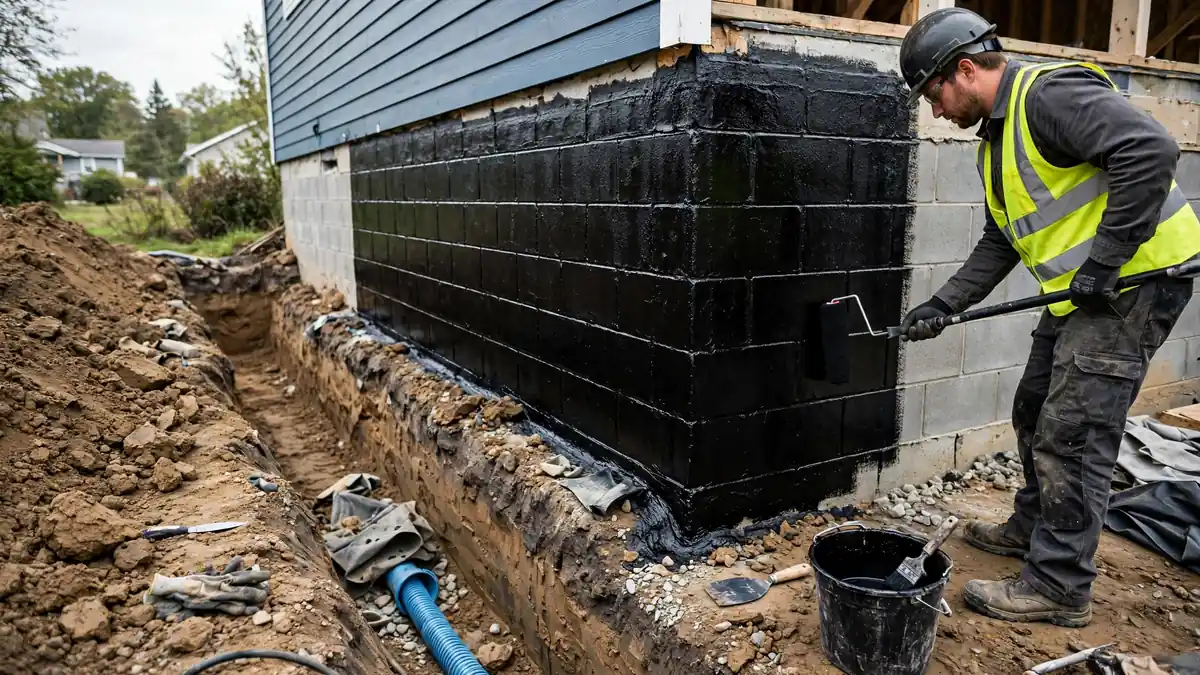 Foundation Waterproofing
Foundation waterproofing in Youngstown, OH: exterior membranes, drainage board and interior systems for block
Learn more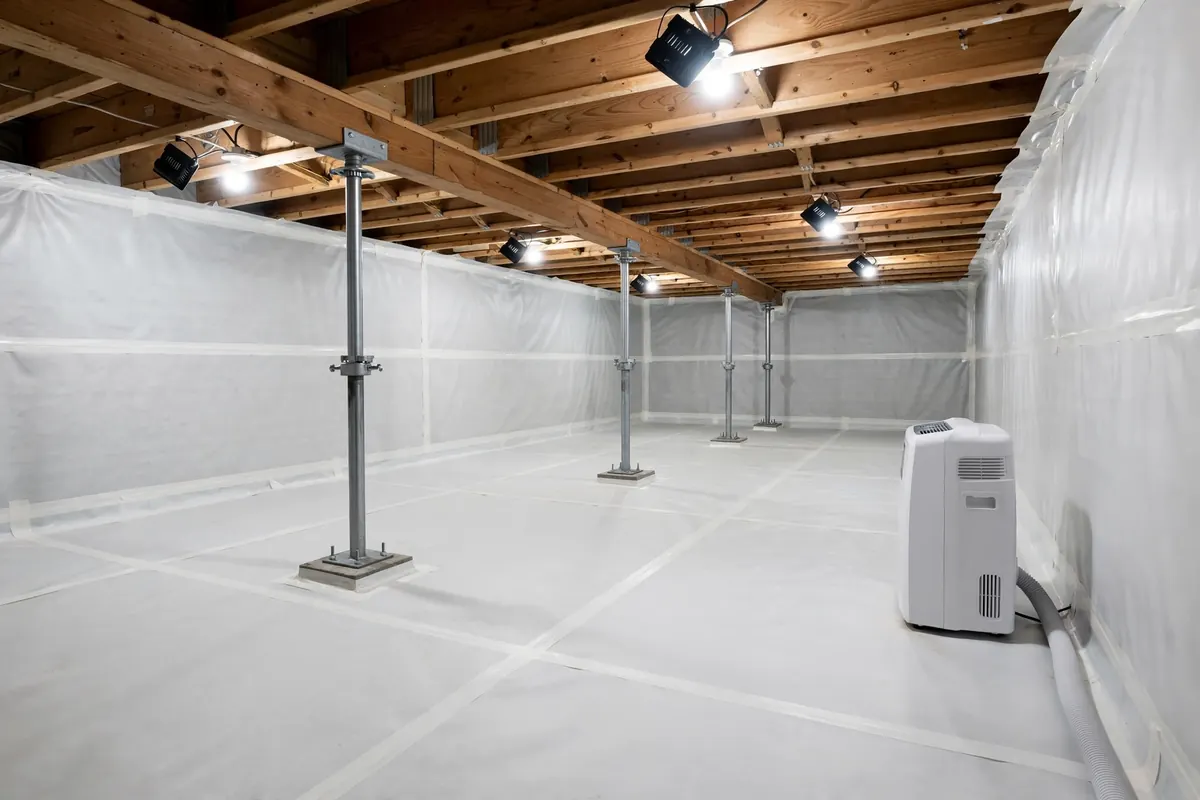 Crawl Space Waterproofing
Crawl space waterproofing in Youngstown, OH: encapsulation, vapor barriers, drainage and dehumidification for
Learn more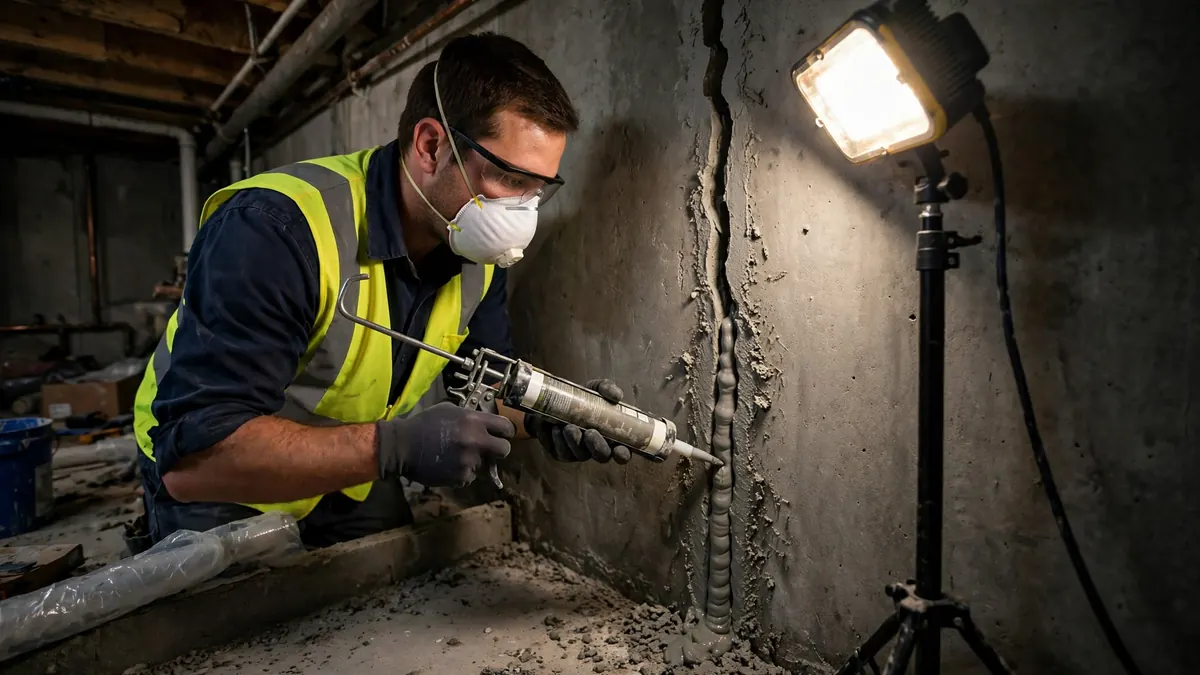 Basement Leak Repair
Basement leak repair in Youngstown, OH: find where the water enters and fix that path. Crack injection, joint
Learn moreQuestions, answered
Yes. A foundation that is a century old can be waterproofed well, as long as the wall is sound or can be repaired. The wall is assessed first, and if it is moving or failing, it is stabilised before any sealing begins. A sound old wall, with a membrane and a drain, will stay dry for decades. The age of the wall is not a reason to avoid waterproofing it. It is a reason to do it carefully.
No, if it is done properly. Interior work is done from inside the basement, and it does not disturb the structure. Exterior work is done in sections, so the house is never left unsupported, and the wall is repaired before it is sealed. The work is designed to protect the house, not to change it, and the original materials are preserved where they are sound.
It is different, not necessarily harder. A stone foundation is irregular, the mortar is soft, and the wall moves with the seasons. It needs repointing, a flexible membrane, and a drainage system that can handle the uneven surface. It can be waterproofed well, but it should not be attempted with a method designed for block or poured concrete. The inspection will identify the wall type and the plan will be written for it.
Yes. A wet basement, a stain, or a musty smell will be found by a buyer's inspection, and it will weigh more heavily in negotiation than the repair itself. A dry basement, with a working system to show, removes the objection entirely. It is one of the few repairs that pays for itself at sale, because a dry basement is something every buyer wants.
Look for a horizontal crack, a wall that bows inward, a stair-step crack that is widening, or a wall that is spalling and crumbling. Any one of those signs means the wall needs a foundation assessment before any waterproofing begins. A vertical crack that is narrow and stable is usually a shrinkage crack, not a structural failure, and it can be sealed with confidence.
Seepage through a block wall that has become porous, and a leaking cove joint where the wall meets the floor. The exterior coating is gone, the clay drain tile is clogged, and the water moves through the wall and enters at the joint. The fix is a wall membrane that catches the seepage, an interior drain that collects the water at the joint, and a sump pump that sends it outside.
Talk to a local waterproofing professional
Describe the building and what is happening in the basement, and a local professional will assess the water path and the right fix.
Get in touch
Talk to a local waterproofing professional about your basement.
Hours: Mon–Fri 7:00 AM–10:00 PM ET · Sat 8:00 AM–10:00 PM ET · Sun 7:00 AM–9:00 PM ET
What to have ready
- Where the water appears, and after what kind of weather
- Whether the basement has a sump pump, and whether it runs
- Photos of the wall, the floor joint, or the water itself