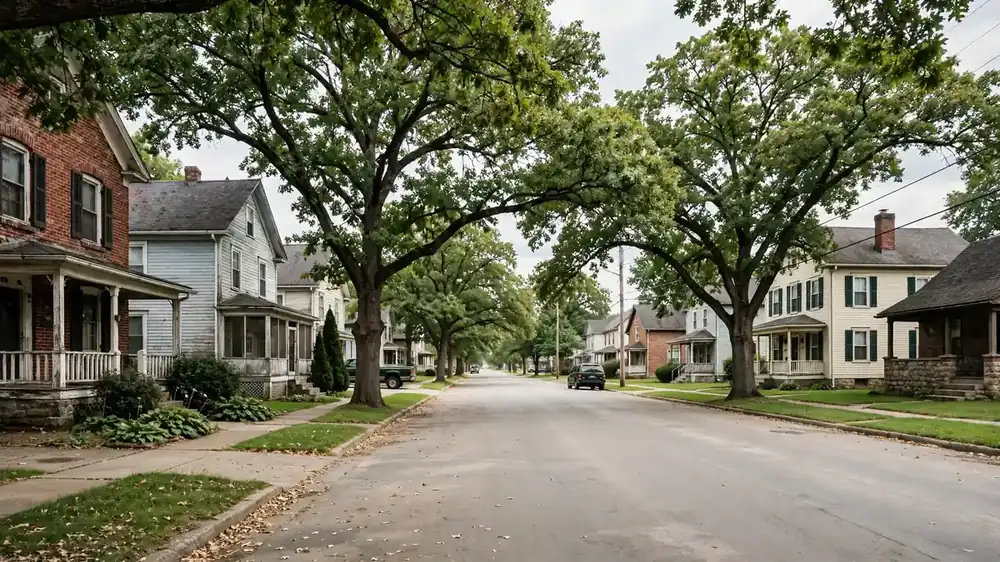
Basement Waterproofing for Rental Properties in Youngstown, OH
A rental property with a wet basement is a property that loses tenants, loses rent, and loses value, one wet spring at a time. The fix is the same as for any house, but the reasons to do it are different.
Talk to a local waterproofing professional
Describe what is happening in your basement and a local professional will assess the water path and the right fix.
Hours: Mon–Fri 7:00 AM–10:00 PM ET · Sat 8:00 AM–10:00 PM ET · Sun 7:00 AM–9:00 PM ET
What a wet basement does to a rental
A wet basement in a rental property is a problem that compounds. The tenant complains about the musty smell, the damp, and the water on the floor. The landlord sends someone to look, the basement is dried, and the problem returns with the next storm. The tenant moves out, the property sits empty, and the next tenant finds the same problem. Each cycle costs rent, and each cycle makes the property harder to let.
The damage is also a cost. A wet basement rusts the furnace and the water heater, and those are the landlord's equipment, not the tenant's. A damp basement grows mould, and mould in a rental is a health concern and a liability. A basement that floods will damage the tenant's belongings, and the landlord will be asked to pay for them, whether the lease says so or not.
A dry basement is a property that can be let, kept, and sold. It is a property where the tenant stays, because the house is comfortable and dry, and where the equipment lasts, because it is not rusting from the bottom up. Waterproofing a rental is an investment in the property, not an expense, because it stops the cycle of damage and turnover.
Common rental basement problems
A leaking cove joint is the most common problem in a rental in the Mahoning Valley, just as it is in any house. The water enters at the joint where the wall meets the floor, after every sustained rain, and it spreads across the floor. The fix is an interior drain channel that collects the water at the joint and sends it to a sump pump.
A failed sump pump is the second most common problem, and it is the one that causes the most damage in a rental, because the tenant may not notice the pump has failed until the basement is already flooded. A pump that is tested regularly, and a water alarm in the pit that the tenant can hear, are the standard protection.
A musty smell is the problem that tenants complain about first, and it is the one that should not be ignored. The smell comes from mould growing in the damp basement, and the mould is a health concern. Closing the water path and running a dehumidifier will fade the smell as the basement dries, and the tenant will notice the difference.
A basement that is used for storage is a problem in a rental, because the tenant's belongings are at risk. A dry basement means the tenant can use the space, and the landlord does not have to worry about the tenant's belongings being damaged by water.
How a rental basement is waterproofed
Every job starts with an inspection that looks at the basement and the outside of the house. The technician walks the perimeter inside, looking for the water path, and outside, the check covers the grading, the gutters, the downspouts and the soil line against the wall. The inspection usually takes less than an hour, and it decides everything that follows.
For most rental properties, the answer is an interior system: a drain channel along the wall-floor joint, a wall membrane that catches the seepage, and a sump pump that sends the water outside. The system is installed from the inside, so there is no excavation, and it can be done year-round. Most jobs in a typical Youngstown rental take two to three days, and the tenant can stay in the property during the work.
The sump pump is fitted with a battery backup where power cuts are a concern, and a water alarm is fitted in the pit, so the tenant will hear it if the pump fails or the power goes out. The discharge line is run outside and away from the house, and the last step is testing: water is run into the channel, the pump cycles, and the discharge is watched outside.
The landlord should be given a clear explanation of the system, and the tenant should be told what to do if the alarm sounds. A system that the tenant understands is a system that will be looked after, and a tenant who knows what the alarm means will call the landlord before the basement floods, not after.
Protecting the investment
Waterproofing a rental is an investment that pays for itself in three ways: the tenant stays longer, because the house is dry and comfortable; the equipment lasts longer, because it is not rusting; and the property is worth more, because a dry basement is something every buyer wants. A property with a wet basement is a property that is hard to let, hard to keep, and hard to sell.
The work should be done properly, with a system that is sized for the house and a pump that is tested regularly. A repair that fails during the next storm will work out worse than the right repair done once, because the failure will come with a flooded basement, a tenant who moves out, and a property that sits empty.
The landlord should keep a record of the work, including the inspection, the system, and the maintenance schedule. A record that shows the basement was waterproofed, and that the system is maintained, is a record that will help at sale, and it will help if the tenant ever raises a concern about the basement.
What a proper job looks like
Water path found first
The inspection traces the water to its entry point, so the fix matches the cause.
Pressure relieved, not fought
A drain channel gives water a better path than your floor. Paint and sealant fight pressure and lose.
Pump sized to the house
The pump is sized to the water volume and the lift, with a battery backup for power cuts.
Tested before handover
Water is run into the channel, the pump cycles, and the discharge is checked outside.
From inspection to a dry basement
Inspection
Walk the basement and the outside of the house to find where the water enters, what the wall is made of, and where the water table sits.
Plan
Match the system to the house: drain channel, wall membrane, sump pump, discharge, and battery backup where power cuts are a concern.
Install
Cut the trench, lay the channel and gravel, fit the membrane and the pump, and run the discharge away from the house.
Restore
Re-pour the concrete flush with the floor, clean the work area, and leave the basement usable again.
Test
Run water into the channel, watch the pump cycle, and confirm the discharge flows away from the property.
Services for Rental Properties
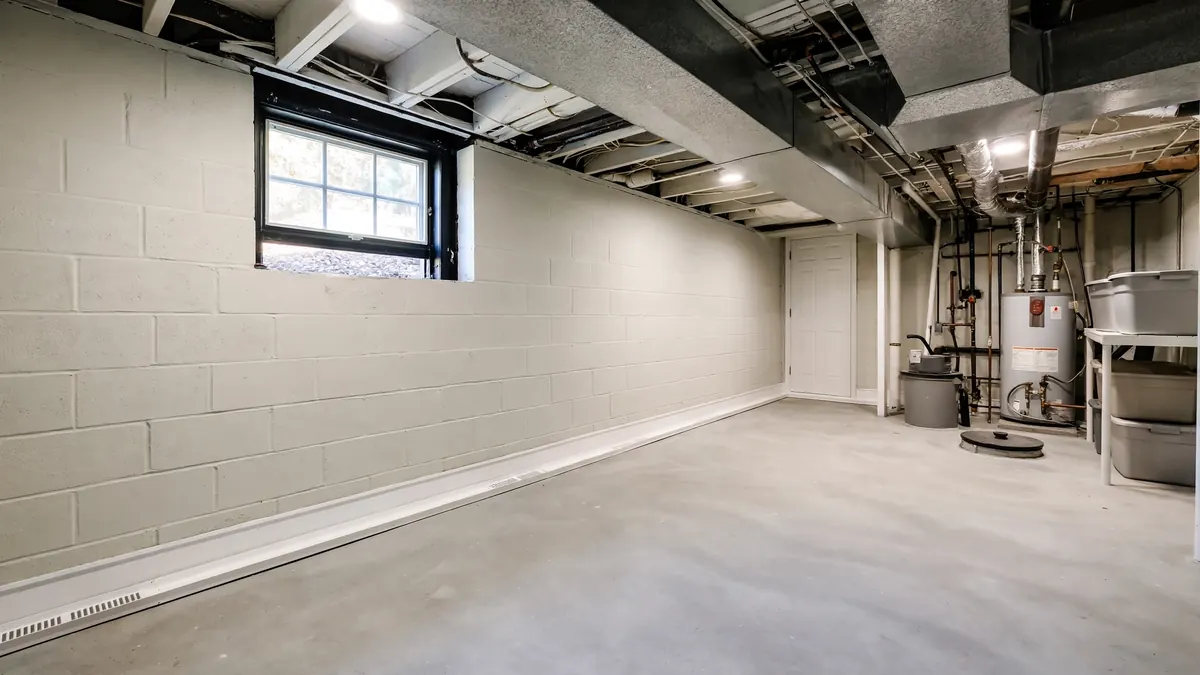 Basement Waterproofing
Basement waterproofing in Youngstown, OH for wet basements, wall leaks and seepage. Interior drains, sump pump
Learn more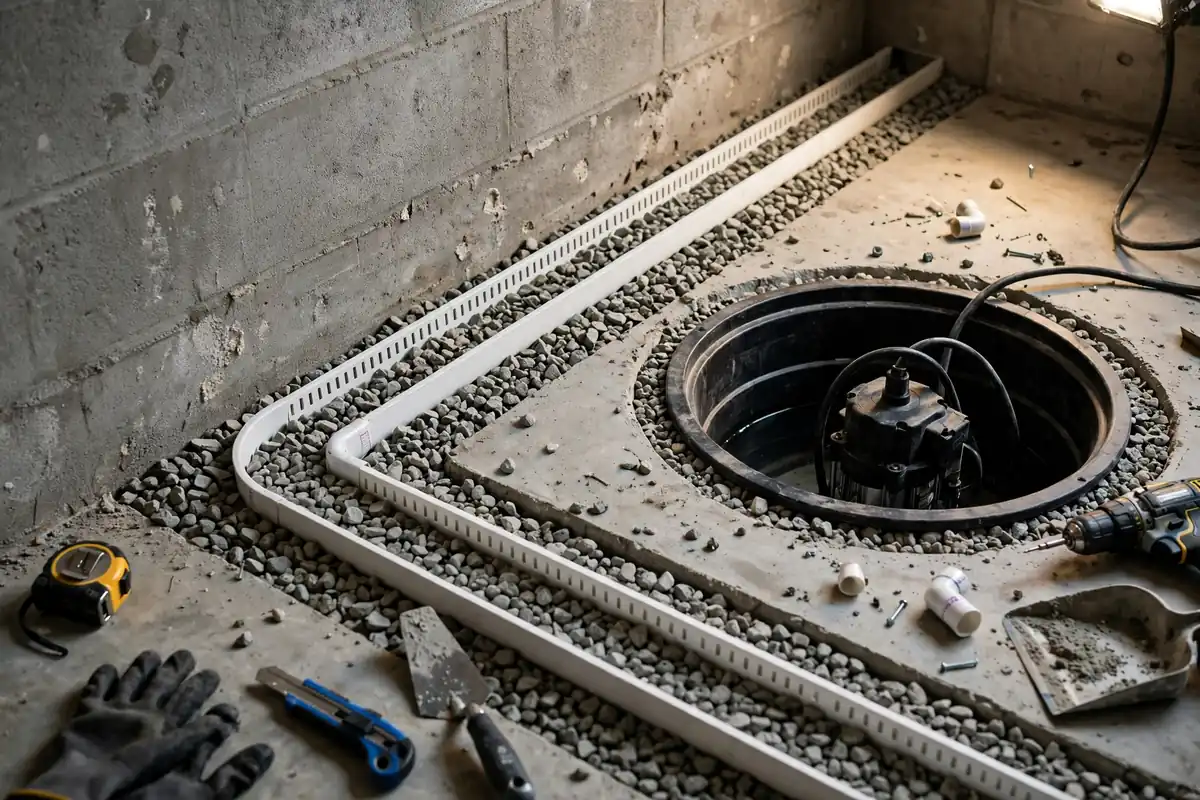 Interior Drain System
Interior drain systems in Youngstown, OH collect water at the wall-floor joint and send it to a sump pump. A p
Learn more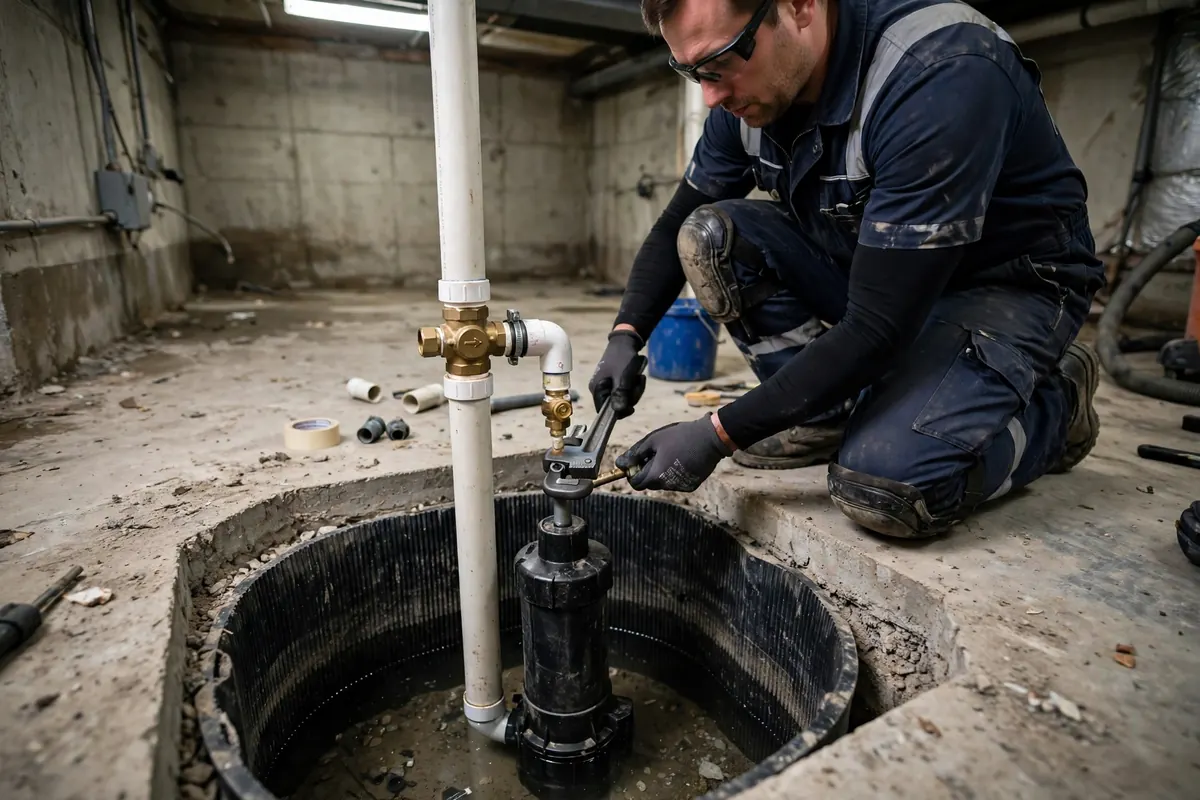 Sump Pump Installation
Sump pump installation in Youngstown, OH for basements that take on water. Submersible pumps, battery backup s
Learn more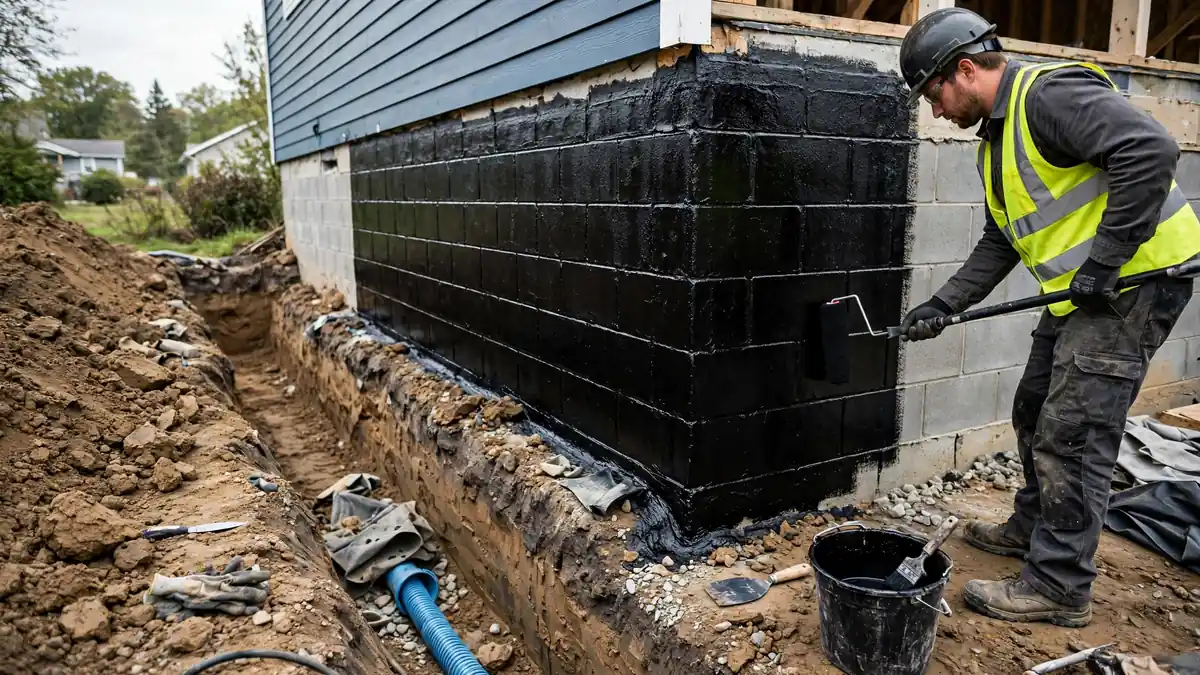 Foundation Waterproofing
Foundation waterproofing in Youngstown, OH: exterior membranes, drainage board and interior systems for block
Learn more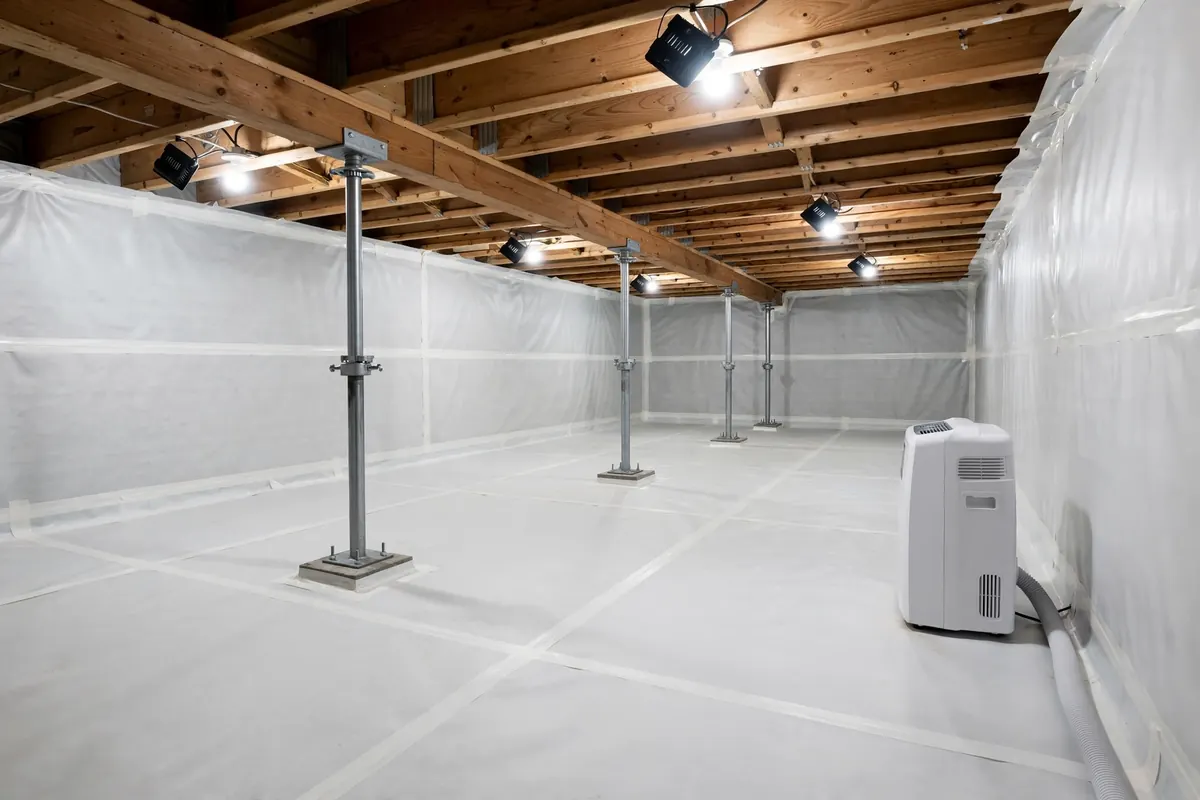 Crawl Space Waterproofing
Crawl space waterproofing in Youngstown, OH: encapsulation, vapor barriers, drainage and dehumidification for
Learn more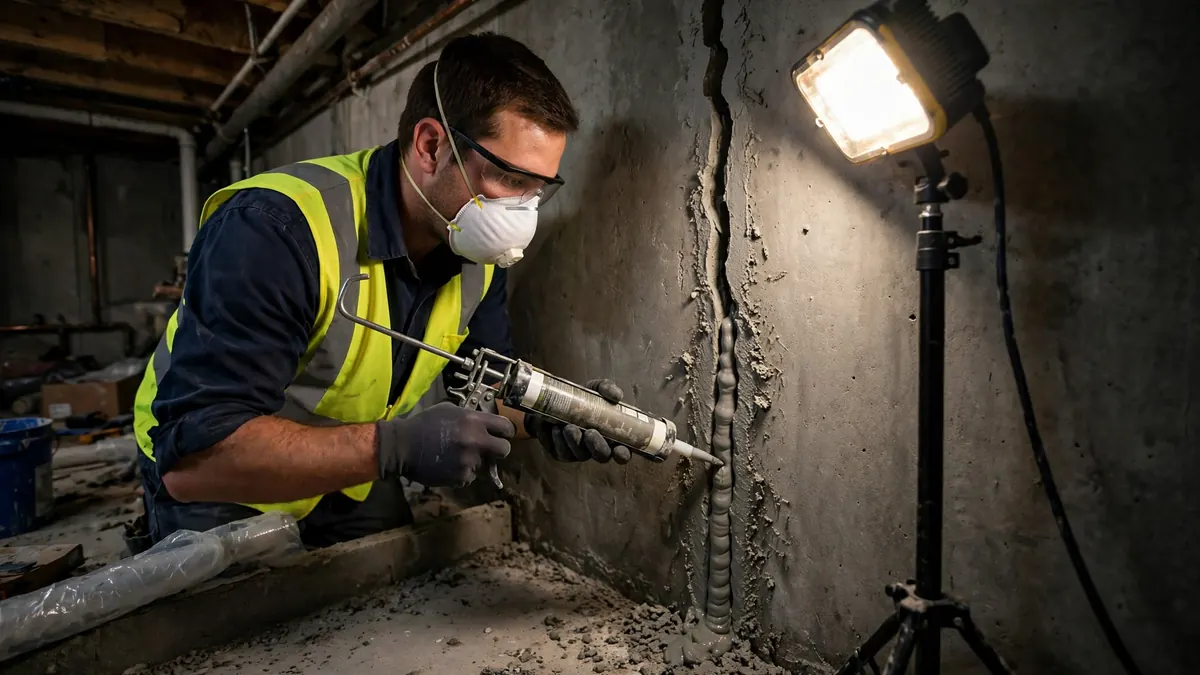 Basement Leak Repair
Basement leak repair in Youngstown, OH: find where the water enters and fix that path. Crack injection, joint
Learn moreQuestions, answered
Yes. A tenant who lives in a dry, comfortable house is a tenant who stays. A tenant who lives with a musty smell, a damp basement and water on the floor is a tenant who moves out at the end of the lease, and often before it. A dry basement is one of the simplest ways to reduce turnover, because it removes a complaint that tenants raise again and again.
Yes. Interior work is done from inside the basement, and it can be done while the tenant is in the property. The work is noisy, and the basement will be a work site for two to three days, but the tenant can stay in the house. Exterior work is more disruptive, because the yard is dug up, but it is usually done on one wall at a time.
The landlord, usually, because the pump is part of the property, not the tenant's responsibility. The pump should be tested a few times a year, the pit kept clean, and the discharge checked each spring. The tenant should be told what the water alarm means, and who to call if it sounds. A tenant who knows what the alarm means will call before the basement floods, not after.
It can be. A damp basement that grows mould is a health concern, and a flooded basement that damages a tenant's belongings is a cost, whether the lease says so or not. A wet basement that is ignored is a liability that grows every season. Waterproofing the basement removes the liability, because the water path is closed and the basement stays dry.
Yes. A wet basement, a stain, or a musty smell will be found by a buyer's inspection, and it will weigh more heavily in negotiation than the repair itself. A dry basement, with a working system to show, removes the objection entirely. It is one of the few repairs that pays for itself at sale, because a dry basement is something every buyer wants.
A leaking cove joint, where the wall meets the floor, in an older home on clay soil. The water enters at the joint after every sustained rain, and it spreads across the floor. The fix is an interior drain channel that collects the water at the joint and sends it to a sump pump. It is the most common repair in Youngstown rentals, and it is the one that works.
Talk to a local waterproofing professional
Describe the building and what is happening in the basement, and a local professional will assess the water path and the right fix.
Get in touch
Talk to a local waterproofing professional about your basement.
Hours: Mon–Fri 7:00 AM–10:00 PM ET · Sat 8:00 AM–10:00 PM ET · Sun 7:00 AM–9:00 PM ET
What to have ready
- Where the water appears, and after what kind of weather
- Whether the basement has a sump pump, and whether it runs
- Photos of the wall, the floor joint, or the water itself