How to Prepare Your Basement for the Spring Thaw in Youngstown
The spring thaw is the hardest season for a Youngstown basement, and it arrives on a schedule. The snow melts, the ground is frozen, and the water has nowhere to go but against your foundation. The time to prepare is now, before the melt starts.
The short version
Youngstown gets about 40 to 45 inches of snow a year, and the spring thaw sends it all at the foundation in a few weeks. The snow melts in March and April, while the ground is still frozen, which means the water cannot soak into the ground. It runs along the surface and against the wall, and it raises the water table fast. A basement that is dry all winter and wet every spring is a basement with a thaw problem, and
Why the thaw is the hardest season
Youngstown gets about 40 to 45 inches of snow a year, and the spring thaw sends it all at the foundation in a few weeks. The snow melts in March and April, while the ground is still frozen, which means the water cannot soak into the ground. It runs along the surface and against the wall, and it raises the water table fast.
A basement that is dry all winter and wet every spring is a basement with a thaw problem, and the thaw will come every year. The sump pump has to work harder in spring than at any other time of year, and a pump that is undersized, or a discharge line that is blocked or frozen, will be overwhelmed. A basement that floods in spring needs a drain system and a pump that is sized for the spring volume, not for the summer average.
The thaw is also the season when the damage is done. A basement that is wet for weeks in spring will grow mould, rust the furnace, and soak the stored belongings, and the damage will not be visible until the basement is opened up in summer. A basement that is prepared before spring is a basement that will stay dry through it.
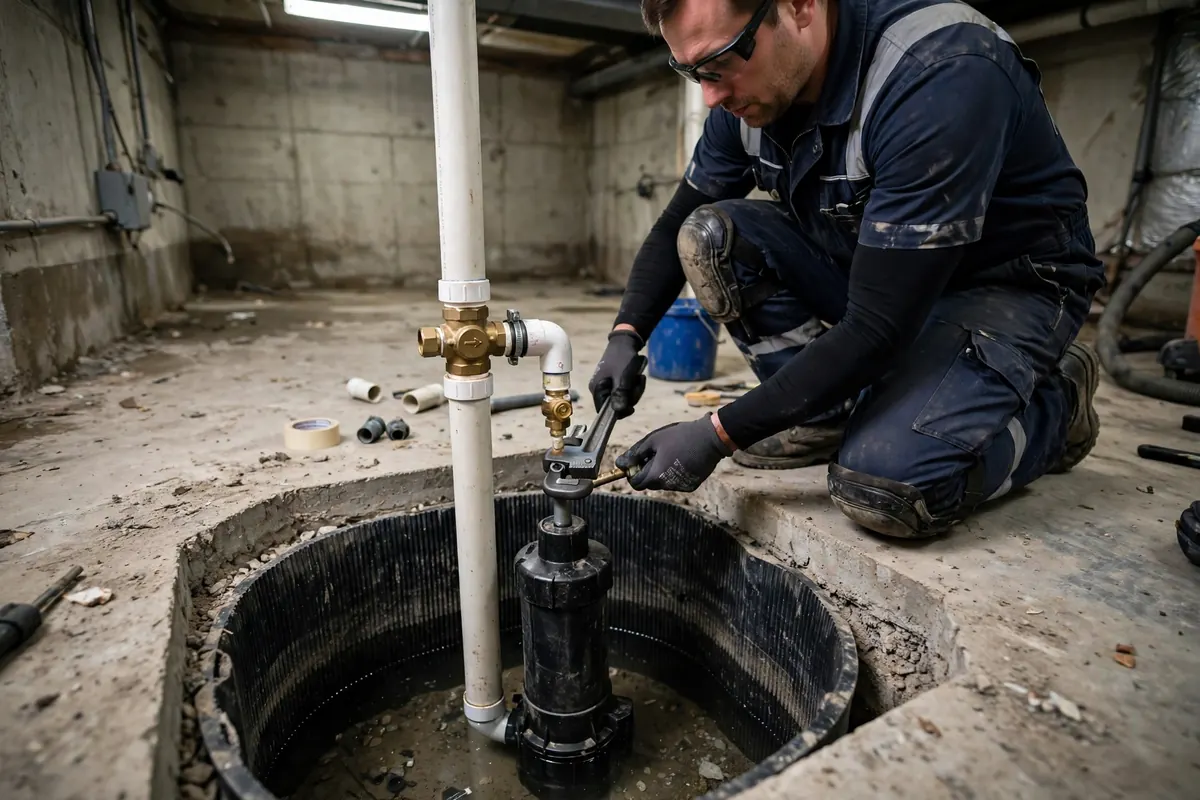
Test the sump pump
The most important preparation is to test the sump pump. Pour a bucket of water into the pit slowly and watch the pump start, run, and stop. Check that water is flowing out of the discharge outside. If the pump does not start, hums without pumping, or runs without the water level dropping, it needs attention before the thaw.
Check the float switch, which is the most common point of failure. The float needs clear space to move, and the cords need to be secured out of its path. A float that catches on the discharge pipe, the basin wall or the power cord will not rise, and the pump will not start. A float that is waterlogged will not float, and the pump will not start either.
Check the battery backup, if there is one. The battery needs to be charged, the connections kept clean, and the battery replaced every few years. A backup with a dead battery is no backup at all, and the thaw is the season when the power is most likely to go out, because the ice and the wind knock out power in Youngstown, Boardman and Austintown.
Clear the discharge line
The discharge line is the part of the system that is most often overlooked, and it is the part that decides whether the pump actually helps. A discharge that ends at the foundation recycles the water: the pump sends it out, it soaks back into the soil, and it re-enters the pit. The pump runs all night and the basement stays wet.
Check the outlet outside. It should be clear of ice, debris and blockages, and it should drain away from the house, on ground that falls away from the foundation. In winter, the outlet can freeze, and a frozen outlet blocks the line and the pump runs against a dead end. A freeze-resistant termination, or a discharge that ends below the frost line, solves that.
Check the check valve, which stops the water in the discharge pipe from running back into the pit when the pump stops. If the valve has failed, the water runs back, the pump starts again a few seconds later, and the pump short-cycles until the switch or the motor wears out. A pump that cycles on and off every few seconds is a pump with a failed check valve.
Check the grading and the gutters
The grading and the gutters are the small things that make a big difference in spring. Keep the gutters clean, so the meltwater from the roof can flow away, and extend the downspouts away from the house, so the water does not discharge at the foundation. A downspout that discharges ten feet from the house will keep a surprising amount of water out of the basement.
Check the ground around the foundation. It should slope away from the house, so the meltwater runs away from the wall rather than toward it. A lot that is flat, or that slopes toward the house, will hold water against the wall for days, and the water will find the joint or the crack. Regrading the ground so it falls away from the house is a small job that makes every other part of the system work better.
Check the window wells, which fill with snow in winter and with meltwater in spring. A well that fills and spills over the sill is a drainage problem, and the repair is to clear or replace the well drain and rebuild the well so it drains. A window well cover helps, but it is not a substitute for drainage.
Clear the basement and check the walls
Move stored items away from the walls, so the walls can be seen and the water path can be found. Cardboard boxes, fabric and paper that have been stored against a damp wall will absorb moisture and mould, and they should be moved to shelving, off the floor, and away from the wall.
Walk the basement and look for the signs: a wet strip along the wall-floor joint, efflorescence on the wall, a musty smell, or paint flaking off the wall. Those are the signs that the basement needs attention, and they should be noted before the thaw, because a dry wall in winter tells the inspector nothing, and a wet wall in spring tells the inspector everything.
Check the furnace, the water heater and the electrical panel for rust, because rust on the bottom of an appliance is a sign that the basement has been wet, even if the floor looks dry now. A furnace that rusts out early is an expensive replacement, and a water heater that fails will flood the basement it sits in.
What to watch during the thaw
During the thaw, check the basement every day, especially after a warm day followed by a cold night, when the melt is fastest. Look for water at the joint, for the pump running more often than usual, and for the discharge flowing outside. A pump that runs constantly, or a pit that fills and empties constantly, is a sign that the water table is high and the system is working hard.
Listen for the water alarm in the sump pit, if there is one. It sounds when the water in the pit rises above the normal level, which means the pump has failed or the power is out. An alarm that is heard in time can save a basement, because the homeowner can act before the water reaches the floor.
If the basement does get wet, note where the water appears and when, because that record helps the inspection. A basement that wets up after the thaw is a basement that needs a drain system and a pump that is sized for the spring volume, and the inspection should happen while the water path is still visible.
After the thaw
After the thaw, the basement needs to dry. Run a dehumidifier, open the windows if the weather allows, and let the walls and the floor dry out. A basement that has been wet for weeks in spring will take weeks to dry, even with a dehumidifier, and the drying should not be rushed.
Check the system again after the thaw. Test the pump, check the discharge, and check the battery backup. A system that has worked hard through the thaw may need a service, and spring is the right time to do it, because the next heavy rain is never far away in Youngstown.
Plan the repair, if one is needed. A basement that leaked during the thaw needs a drain system, a pump replacement, or a battery backup, depending on what the inspection finds. The repair should be done before the summer thunderstorms, because the summer brings a different pattern of rain, and the basement will be tested again.
A spring checklist you can use
Use this checklist in late winter, before the melt starts. Test the sump pump by pouring a bucket of water into the pit and watching it cycle. Check that water is flowing out of the discharge outside. Check the check valve, the battery backup, and the water alarm, if there is one.
Clear the discharge outlet of ice, debris and blockages, and make sure it drains away from the house. Clean the gutters, extend the downspouts, and make sure the ground slopes away from the foundation. Check the window wells, and make sure they drain.
Clear the basement so the walls can be seen, and walk the basement looking for the signs: a wet strip along the joint, efflorescence on the wall, a musty smell, or paint flaking off the wall. Move stored items away from the walls and off the floor, onto shelving, so they are not damaged if the basement does get wet.
During the thaw, check the basement every day, especially after a warm day followed by a cold night, when the melt is fastest. Listen for the water alarm, and watch the pump. If the basement does get wet, note where the water appears and when, because that record helps the inspection. After the thaw, let the basement dry, check the system again, and plan the repair, if one is needed, before the summer thunderstorms.
More from the blog
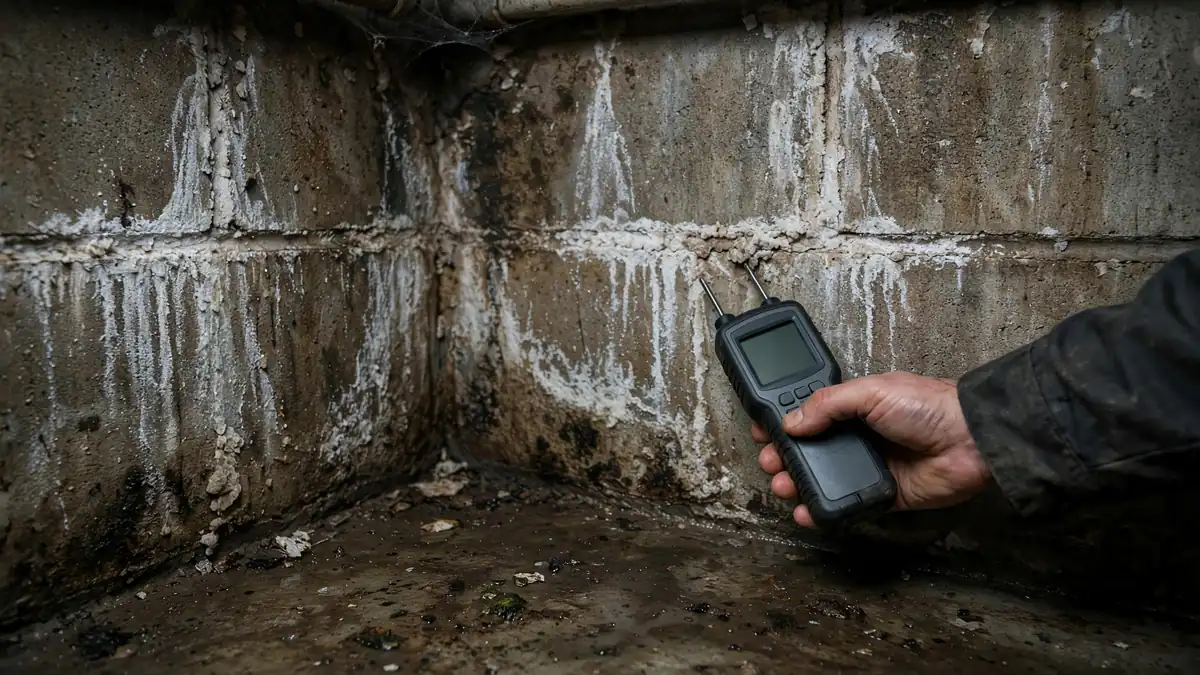 Why Basements Leak in Youngstown, OH | The Mahoning Valley W
Why do Youngstown basements leak? The water table, clay soil, old foundations and spring thaw explain most wet
Learn more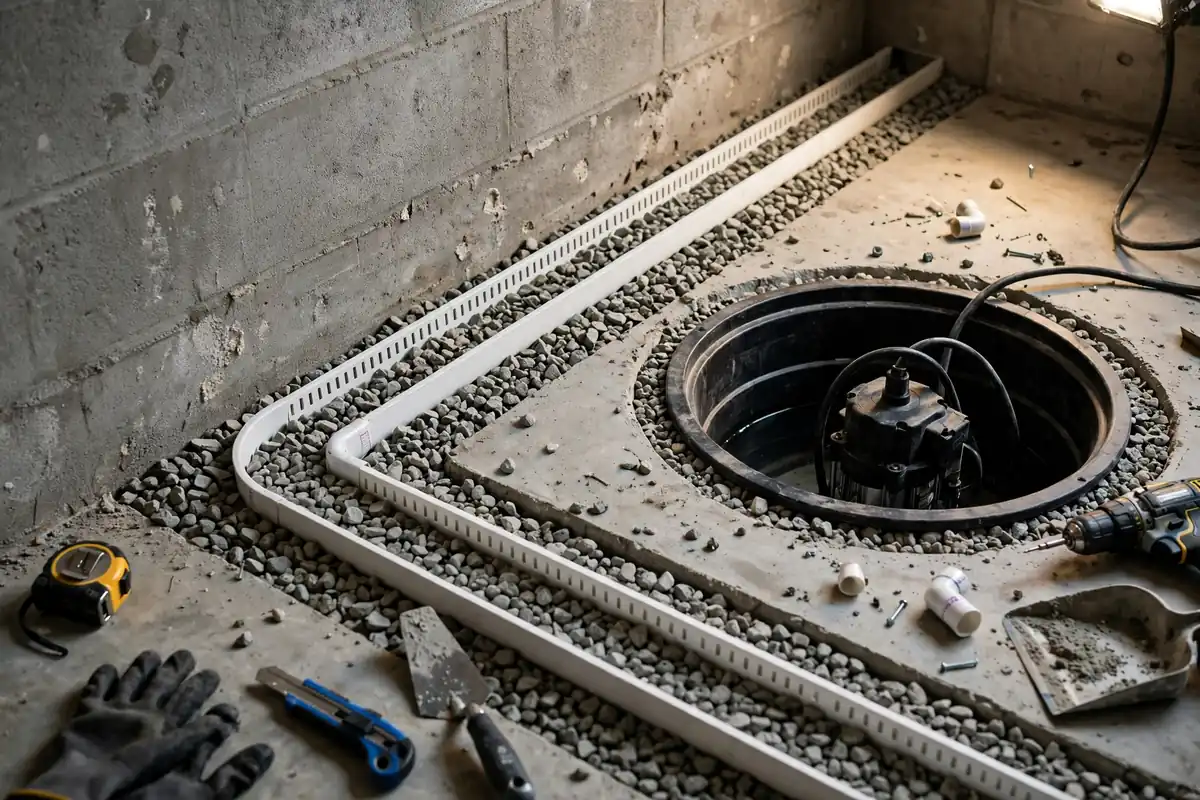 Sump Pump vs Interior Drain System | Which Does Your Basemen
Sump pump vs interior drain system: what each one does, why a pump alone is not enough, and how the two work t
Learn more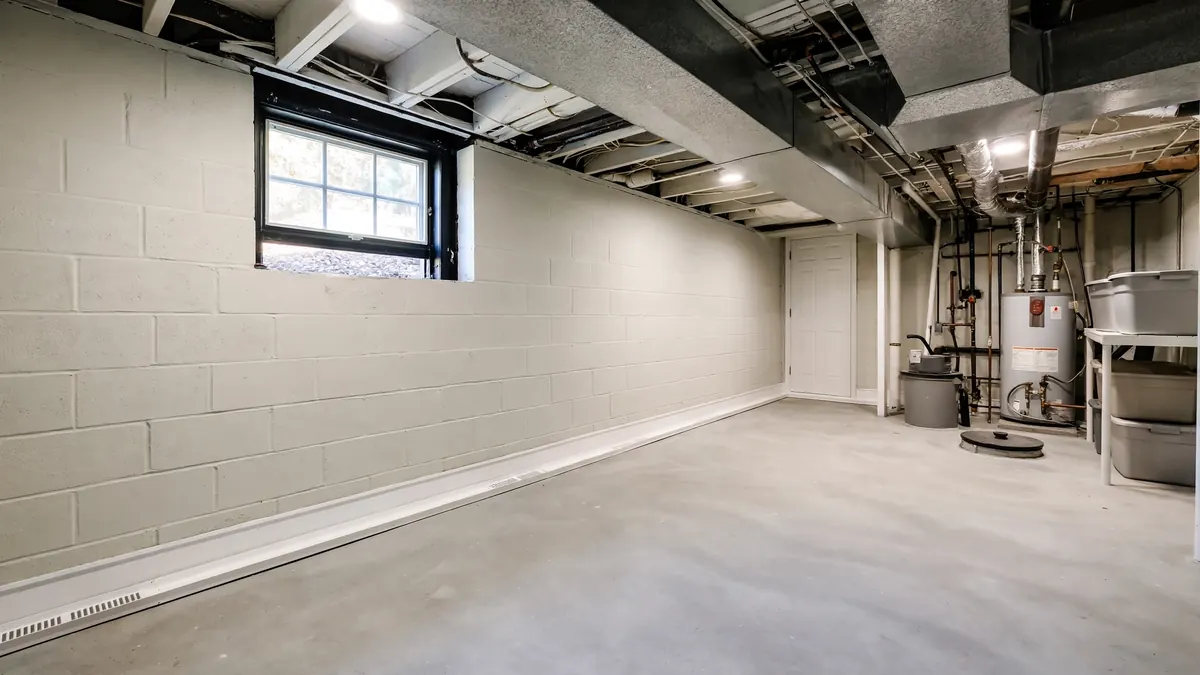 7 Signs Your Basement Needs Waterproofing | Youngstown Homeo
Seven signs your Youngstown basement needs waterproofing: water at the joint, efflorescence, musty smell, flak
Learn moreQuestions, answered
In late winter, before the melt starts, usually in February. Test the sump pump, clear the discharge, check the grading and the gutters, and clear the basement so the walls can be seen. A basement that is prepared in February is a basement that will stay dry in March and April. A basement that is not prepared will be tested by the thaw, and the thaw will find every weakness.
Pour a bucket of water into the pit slowly and watch the pump start, run, and stop. Check that water is flowing out of the discharge outside. If the pump does not start, hums without pumping, or runs without the water level dropping, it needs attention. Testing takes five minutes, and it should be done a few times a year, and especially before spring.
Because the snow melts while the ground is still frozen, and the water has nowhere to go but against the foundation. The water table rises fast in spring, and the cove joint leaks. In summer, the ground can absorb the rain, and the water table is lower, so the basement stays dry. A basement that floods only in spring is a basement with a water-table problem, and it needs a drain system and a pump that is sized for the spring volume.
Yes, after the basement has been waterproofed, a dehumidifier helps the basement dry out after the thaw. It should be sized to the space and drained to the sump pit, so it can run continuously. A dehumidifier will not fix a leak on its own, because it cannot keep up with water entering through the joint or the wall, but it will help the basement dry after the water path is closed.
A frozen discharge line blocks the pump, and the pump will run against a dead end. The outlet needs to be protected from freezing, with a freeze-resistant termination, or a discharge that ends below the frost line. If the line is already frozen, the ice needs to be cleared, and the outlet needs to be checked for blockages. A discharge that freezes every winter needs a different termination.
Talk to a local waterproofing professional
Describe what is happening in your basement and a local professional will assess the water path and the right fix.
Get in touch
Talk to a local waterproofing professional about your basement.
Hours: Mon–Fri 7:00 AM–10:00 PM ET · Sat 8:00 AM–10:00 PM ET · Sun 7:00 AM–9:00 PM ET
What to have ready
- Where the water appears, and after what kind of weather
- Whether the basement has a sump pump, and whether it runs
- Photos of the wall, the floor joint, or the water itself