How Long Does Basement Waterproofing Last?
A waterproofing system is not one thing with one lifespan. It is several parts, each with its own life, and the system lasts as long as its shortest-lived part is maintained.
The short version
An interior drain system, the channel, the gravel and the concrete, lasts for decades, because those materials do not wear out in normal use. The wall membrane lasts for decades as well, because it is protected from sunlight and from damage. The sump pump is the part with a limited working life, usually seven to ten years, and it is designed to be replaced without touching the channel. An exterior membrane and draina
The short answer
An interior drain system, the channel, the gravel and the concrete, lasts for decades, because those materials do not wear out in normal use. The wall membrane lasts for decades as well, because it is protected from sunlight and from damage. The sump pump is the part with a limited working life, usually seven to ten years, and it is designed to be replaced without touching the channel. An exterior membrane and drainage board last for decades, if they are installed properly and protected by gravel backfill.
The system as a whole lasts for the life of the home, as long as the pump is tested and replaced when it wears out, and the discharge stays clear. The pump is a replaceable part, not the system, and a system that is maintained will keep working for decades.
The drain channel: decades
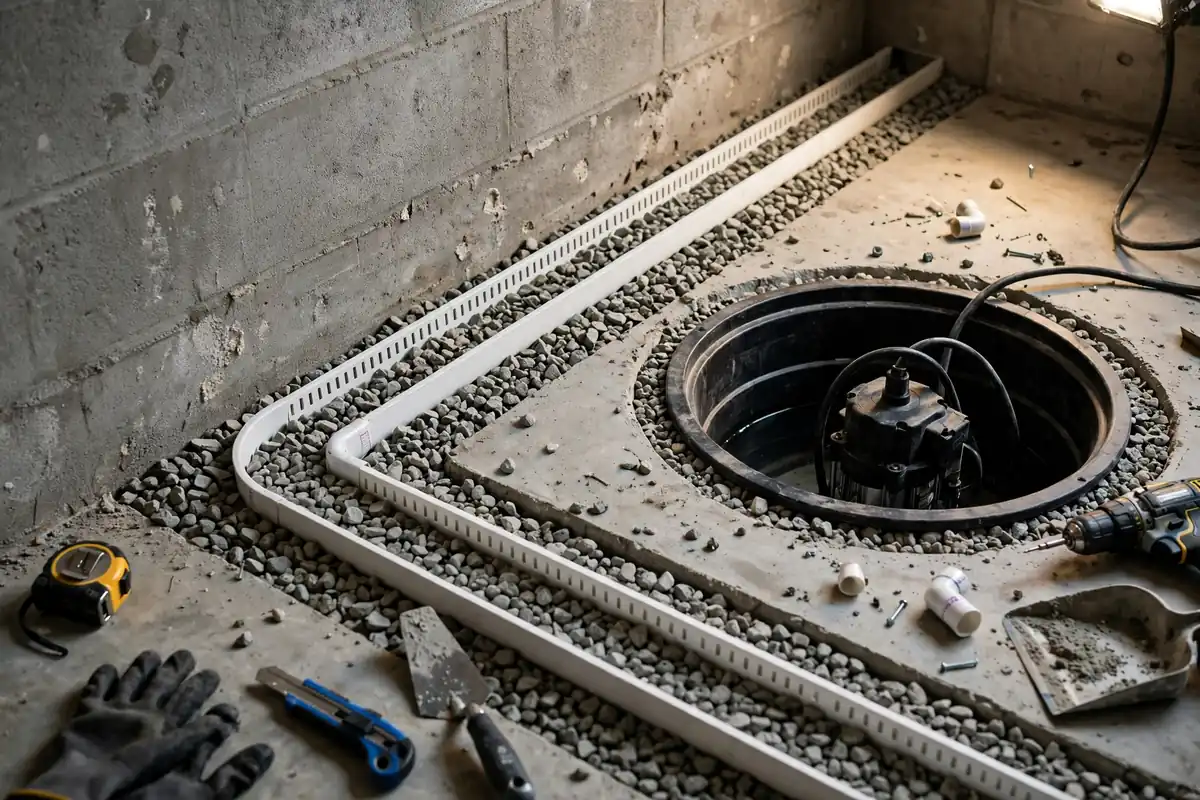
The drain channel is a formed PVC or composite profile, set in a bed of washed gravel, and covered with concrete. It does not wear out. It does not rust, it does not rot, and it does not crush under the floor above it. The gravel bed filters silt and keeps the channel open, and the smooth interior resists build-up.
The channel fails only if it clogs with silt, which happens when the pitch is wrong, the gravel is wrong, or the filter fabric is missing. A channel that is properly pitched, with washed gravel and a filter fabric, stays open and keeps working for decades. A channel that is level, or that is buried in dirt, will clog within a few seasons.
The concrete that covers the trench is the same concrete as the rest of the floor, and it lasts as long as the floor does. The only visible change is a narrow slot where the floor meets the wall, and that slot is where the water enters the channel. The channel is permanent, and it is the part of the system that will outlast the house.
The wall membrane: decades
The wall membrane is a durable sheet fixed to the inside face of the wall, and it directs seepage down into the drain channel. It is protected from sunlight, from damage, and from the weather, because it is inside the basement. It does not wear out in normal use, and it will last for decades.
An exterior membrane is also durable, because it is protected by the drainage board and the gravel backfill. It is not exposed to sunlight, and it is not damaged by the soil, because the drainage board protects it. A modern membrane, properly installed and protected, lasts for decades, and it is the part of the system that protects the wall itself.
The membrane fails only if it is damaged during installation, or if the wall behind it moves. A membrane applied to a wall that was not cleaned or repaired first will peel away, and a membrane on a wall that is bowing will break. The wall has to be sound before it is sealed, and the membrane has to be installed properly, or it will not last.
The sump pump: seven to ten years
A submersible pump that runs regularly usually lasts seven to ten years. A pump that runs rarely can last longer, and a pump that runs constantly in a wet basement can wear out sooner. The float switch often fails before the motor, and a switch can be replaced without replacing the whole pump.
The pump is the only part of the system with a limited working life, and it is designed to be replaced. The basin, the discharge and the channel stay in place, and the new pump is set in the same basin, on the same stand, with the same discharge. A pump replacement is a small job, and it is the maintenance that keeps the system working for decades.
The most reliable way to know when a pump needs replacing is to test it regularly and listen for changes: grinding, rattling, or a pump that hums without moving water all mean it is time to have it checked. A pump that is tested regularly will not fail without warning, because the warning signs will be noticed.
The battery backup: three to five years
The battery in a battery backup system lasts three to five years, depending on how often it is used and how well it is maintained. A battery that is kept charged, with clean connections, will last longer than a battery that is ignored. A battery that has never been checked is a battery that will fail when it is needed.
The battery should be checked regularly, and it should be replaced on schedule, not when it fails. A battery that is replaced every three to five years is a battery that will be ready when the power goes out. A battery that is left until it fails is a battery that will fail during the storm that needs it most.
The backup pump itself lasts as long as a main pump, seven to ten years, because it runs rarely. The charger lasts longer, because it has no moving parts. The battery is the part that needs replacing, and it is the part that is most often forgotten.
The discharge line: decades, with checks
The discharge line is a PVC pipe, and it lasts for decades, as long as it is not damaged and it stays clear. The line fails only if it is blocked, frozen, or disconnected, and those are all preventable with a check each spring. The outlet should be checked for debris, ice damage and blockages, and the line should be checked for leaks at every joint.
A discharge line that ends at the foundation, or that drains onto a sidewalk that pitches back toward the house, will recycle the water, and the pump will run all night while the basement stays wet. The discharge has to end well away from the house, on ground that falls away from the foundation, and the outlet has to be protected from freezing.
The check valve on the discharge line lasts for years, but it can fail, and a failed check valve will make the pump short-cycle. The valve should be checked when the pump is serviced, and it should be replaced if it is not holding. A check valve that is replaced is a small job, and it is the part that keeps the pump from wearing out early.
What makes a system last longer
Maintenance is what makes a system last. Test the pump a few times a year. Keep the pit clean. Check the discharge each spring. Check the battery backup. A few minutes of checking each season is what keeps the system ready for the storm that matters, and it is what makes the system last for decades.
Proper installation is what makes a system last. A channel that is pitched correctly, with washed gravel and a filter fabric, will stay open. A membrane that is applied to a sound wall will hold. A pump that is sized correctly will not burn out or short-cycle. A discharge that runs away from the house will not recycle the water. The installation decides the lifespan, and the maintenance preserves it.
A system that is installed properly and maintained regularly will last for the life of the home. A system that is installed badly, or that is never maintained, will fail early, and the failure will come with a flooded basement to clean up. The difference is not the materials. It is the installation and the maintenance.
The honest answer
The honest answer to how long waterproofing lasts is that it lasts as long as it is maintained. A system that is installed properly and maintained regularly will last for the life of the home. A system that is installed badly, or that is never maintained, will fail early, and the failure will come with a flooded basement to clean up.
The materials do not wear out. The channel, the gravel, the concrete, the membrane and the discharge line are all permanent, and they will last for decades. The pump and the battery are the only parts with a limited working life, and they are designed to be replaced. A pump that is replaced every seven to ten years, and a battery that is replaced every three to five years, will keep the system working indefinitely.
The maintenance is simple, and it is the homeowner's part of the bargain. Test the pump, keep the pit clean, check the discharge, and check the battery. A few minutes, a few times a year, is all it takes. A homeowner who does that will have a dry basement for decades. A homeowner who does not will have a wet basement, and the wet basement will get worse every season.
Waterproofing is not a product that is bought once and forgotten. It is a system that is installed once and maintained for the life of the home. The system will last, if the homeowner lasts with it.
Warranties and what they actually mean
A waterproofing system may come with a warranty, and the warranty is worth reading carefully. A warranty that covers the channel and the membrane for decades is a warranty on materials that do not wear out. A warranty that covers the pump for a year or two is a warranty on a part that is designed to be replaced. The two are different, and they should not be confused.
The most important part of a warranty is not the length. It is what it covers, and what it does not. A warranty that covers the system but not the pump is a warranty that covers the parts that do not fail. A warranty that covers the pump is a warranty that covers the part that does. The homeowner should ask what is covered, for how long, and what the maintenance requirements are, because a warranty that requires maintenance is a warranty that will be void if the maintenance is not done.
A warranty is not a substitute for maintenance. A system that is maintained will last whether or not it has a warranty, and a system that is ignored will fail whether or not it has a warranty. The warranty is a promise about the materials. The maintenance is the promise the homeowner makes about the system. Both matter, but the maintenance matters more.
The honest answer to how long waterproofing lasts is that it lasts as long as it is maintained, and the maintenance is simple. Test the pump, keep the pit clean, check the discharge, and check the battery. A few minutes, a few times a year, is all it takes, and a homeowner who does that will have a dry basement for decades.
More from the blog
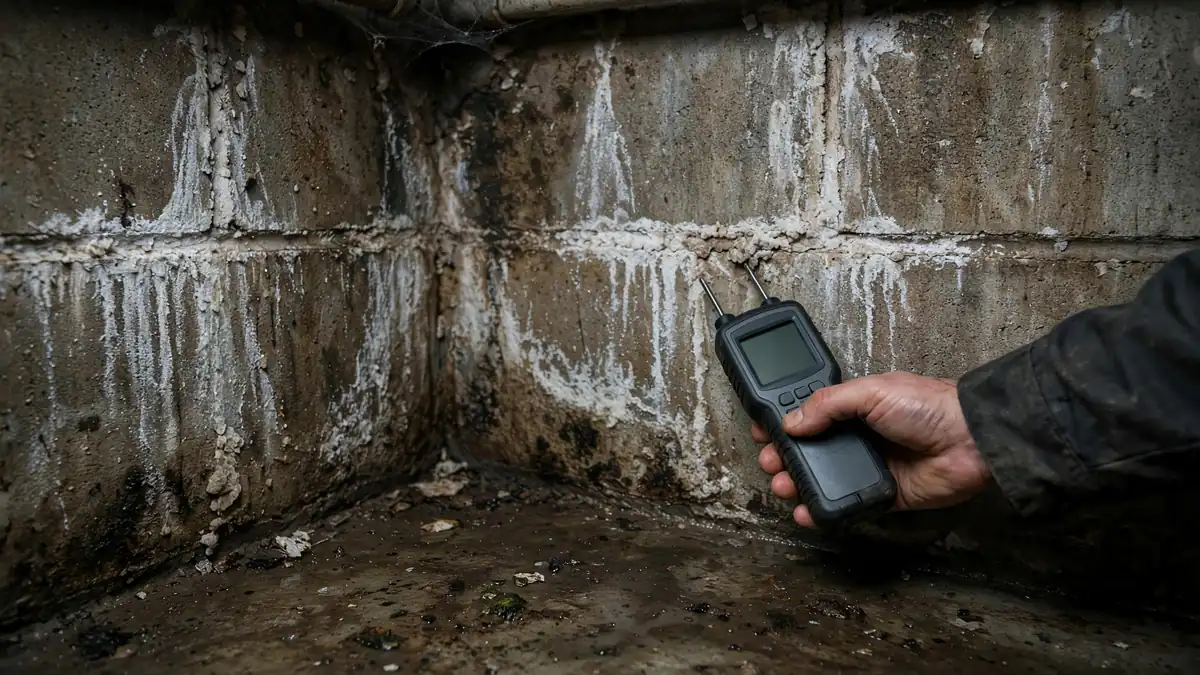 Why Basements Leak in Youngstown, OH | The Mahoning Valley W
Why do Youngstown basements leak? The water table, clay soil, old foundations and spring thaw explain most wet
Learn moreSump Pump vs Interior Drain System | Which Does Your BasemenSump pump vs interior drain system: what each one does, why a pump alone is not enough, and how the two work t
Learn more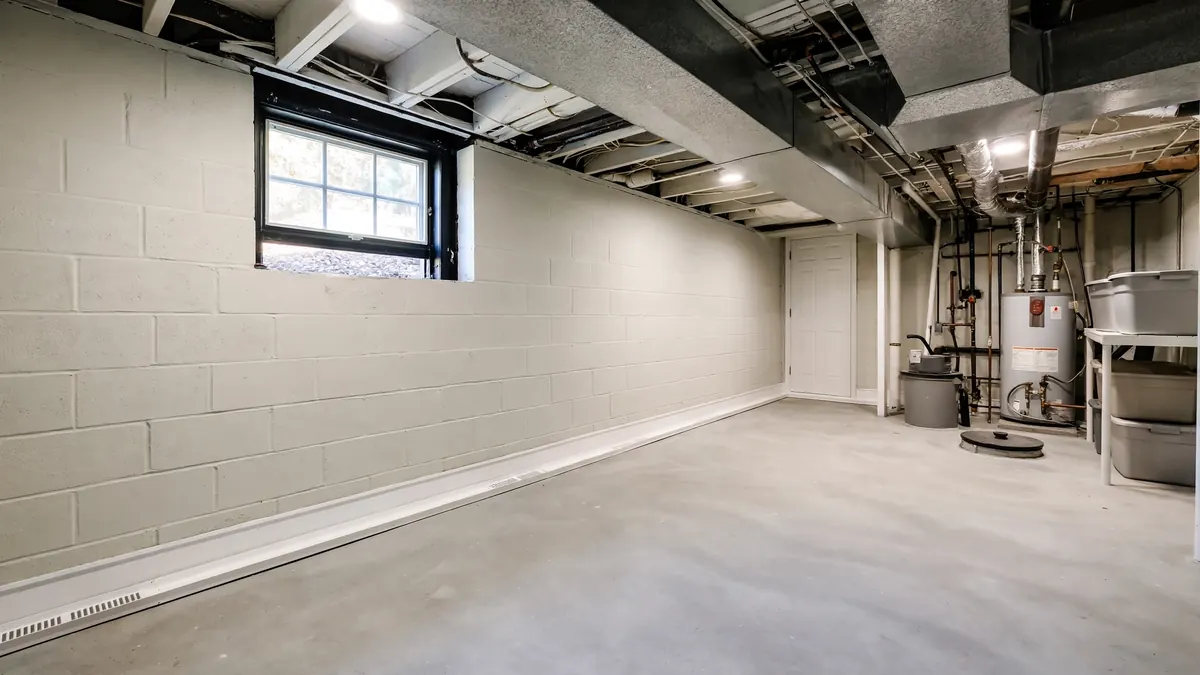 7 Signs Your Basement Needs Waterproofing | Youngstown Homeo
Seven signs your Youngstown basement needs waterproofing: water at the joint, efflorescence, musty smell, flak
Learn moreQuestions, answered
The channel, gravel and concrete last for decades, because they do not wear out in normal use. The pump is the only part with a limited working life, usually seven to ten years, and it is designed to be replaced without touching the channel. With the pump tested and replaced when it wears out, and the discharge kept clear, the system keeps working for decades.
A submersible pump that runs regularly usually lasts seven to ten years. A pump that runs rarely can last longer, and a pump that runs constantly in a wet basement can wear out sooner. The most reliable way to know is to test the pump regularly and listen for changes: grinding, rattling, or a pump that hums without moving water all mean it is time to have it checked. Replace the pump before it fails, not after, because the failure usually comes with a flooded basement.
They last about the same, because both are protected from sunlight and from damage. An exterior membrane is protected by the drainage board and the gravel backfill. An interior membrane is protected because it is inside the basement. Both last for decades, if they are installed properly. The difference is not the lifespan. It is what each one does: the exterior membrane stops water before it touches the wall, and the interior system manages the water after it enters.
The system as a whole will not need to be replaced, because the channel, the membrane and the discharge are permanent. The pump will need to be replaced every seven to ten years, and the battery backup every three to five years. Those are replaceable parts, not the system, and replacing them is a small job that keeps the system working for decades.
Bad installation and no maintenance. A channel that is level will clog with silt. A membrane applied to a wall that was not cleaned will peel. A pump that is undersized will burn out. A discharge that ends at the foundation will recycle the water. A pump that is never tested will fail without warning. All of those are preventable, and all of them are found by a proper installation and a few minutes of checking each season.
Talk to a local waterproofing professional
Describe what is happening in your basement and a local professional will assess the water path and the right fix.
Get in touch
Talk to a local waterproofing professional about your basement.
Hours: Mon–Fri 7:00 AM–10:00 PM ET · Sat 8:00 AM–10:00 PM ET · Sun 7:00 AM–9:00 PM ET
What to have ready
- Where the water appears, and after what kind of weather
- Whether the basement has a sump pump, and whether it runs
- Photos of the wall, the floor joint, or the water itself